A new counterbalance forklift of around 3 tonnes typically costs about $30,000 to $70,000 in Australia, depending on whether it runs on LPG, diesel or batteries. Entry-level imported diesel forklifts start from around $18,000, and used forklifts mostly sell for $15,000 to $30,000. Capacity, lift height, attachments, brand and condition decide where a forklift sits in those ranges, and over five years the running costs can matter as much as the purchase price.
Forklift prices at a glance
The table compares indicative new prices for the most common forklift types, taken from Australian dealer price lists and buying guides as at October 2026. Most are quoted excluding GST, but not every source says so, so confirm the GST basis on any quote.
| Forklift type | Typical capacity | Typical new price | Best suited to |
|---|---|---|---|
| Diesel counterbalance | 2 to 3.5 tonnes | About $18,000 to $56,000 | Outdoor yards, building supplies, timber and steel |
| LPG counterbalance | Around 3 tonnes | About $32,000 to $55,000 | Mixed indoor and outdoor work with quick refuelling |
| Electric counterbalance | Around 3 tonnes | About $30,000 to $70,000 | Warehouses, food handling and indoor work |
| Rough terrain forklift | 3.5 tonnes | About $30,000 to $48,000 | Farms, building sites and unsealed ground |
| Used counterbalance | 2 to 3 tonnes | Mostly $15,000 to $30,000 | Light or occasional use on a tight budget |
Diesel and LPG forklift prices
Diesel and LPG forklifts show the widest spread of prices for the same capacity. At the low end are basic imported machines with a two-stage 3 metre mast, no side shift and standard lights. Prices rise with a three-stage container mast, side shift, fork positioners, full safety lighting, an enclosed cab and a brand with long-standing dealer support in Australia.
The choice between the two fuels comes down to where the forklift works. LPG and diesel forklifts both suit long shifts because they refuel in minutes, but LPG can also work indoors in well-ventilated buildings, while diesel suits heavy outdoor work and rough yards where exhaust is not a concern.
Prices climb steeply with capacity. A 5 tonne forklift costs noticeably more than a 3 tonne model, and container handlers and forklifts of 10 tonnes and over cost well into six figures and are usually quoted to order.
Electric forklift prices
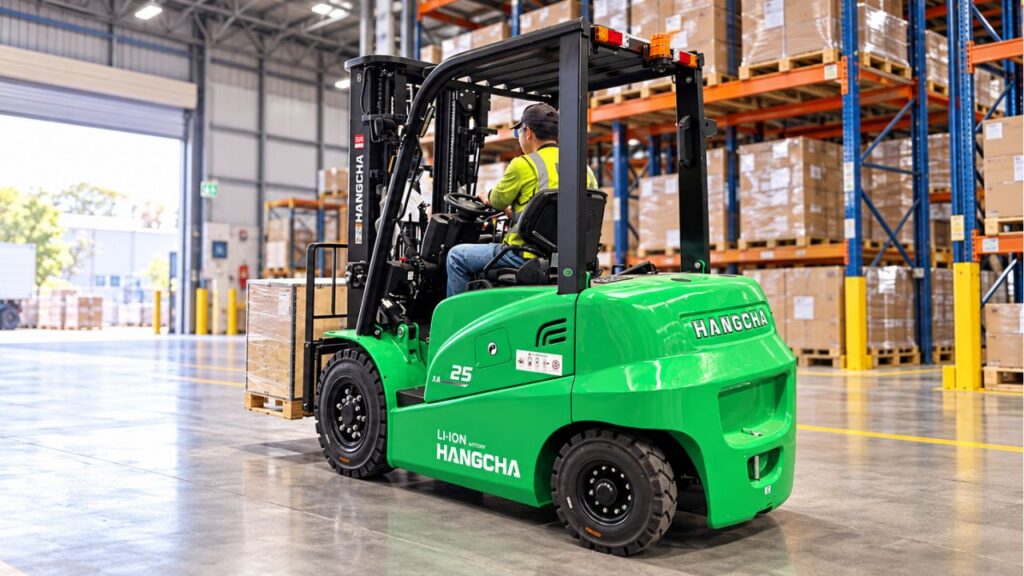
Electric counterbalance forklifts of around 3 tonnes cost about $30,000 to $70,000 new. Lead-acid models sit at the lower end, and lithium-ion usually adds around $8,000 to $15,000 to the price in exchange for no battery watering and no battery changes between shifts. Prices by capacity and battery type, and what a full electric quote should include, are set out in the guide to how much a new electric forklift costs.
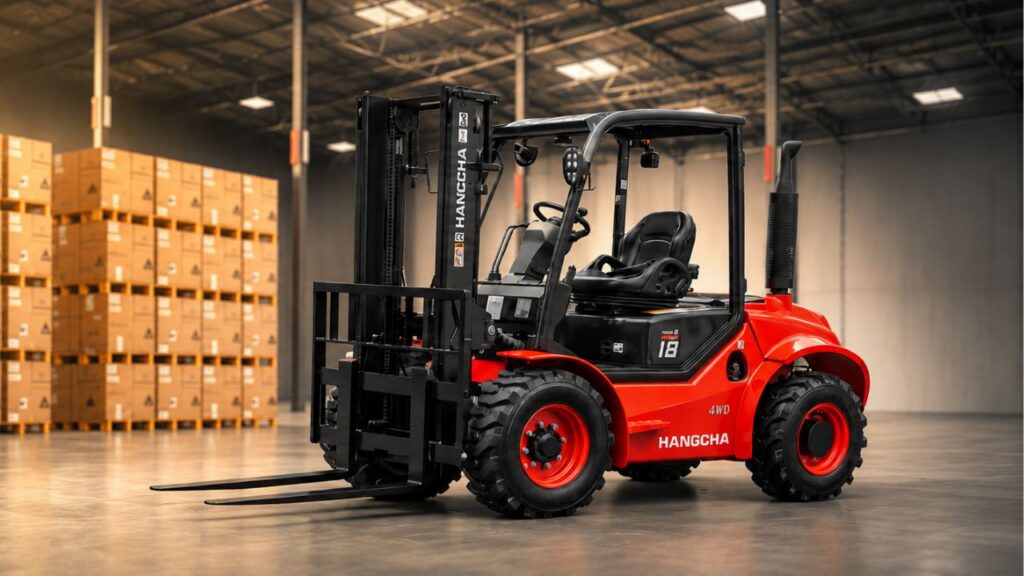
Rough terrain forklift prices
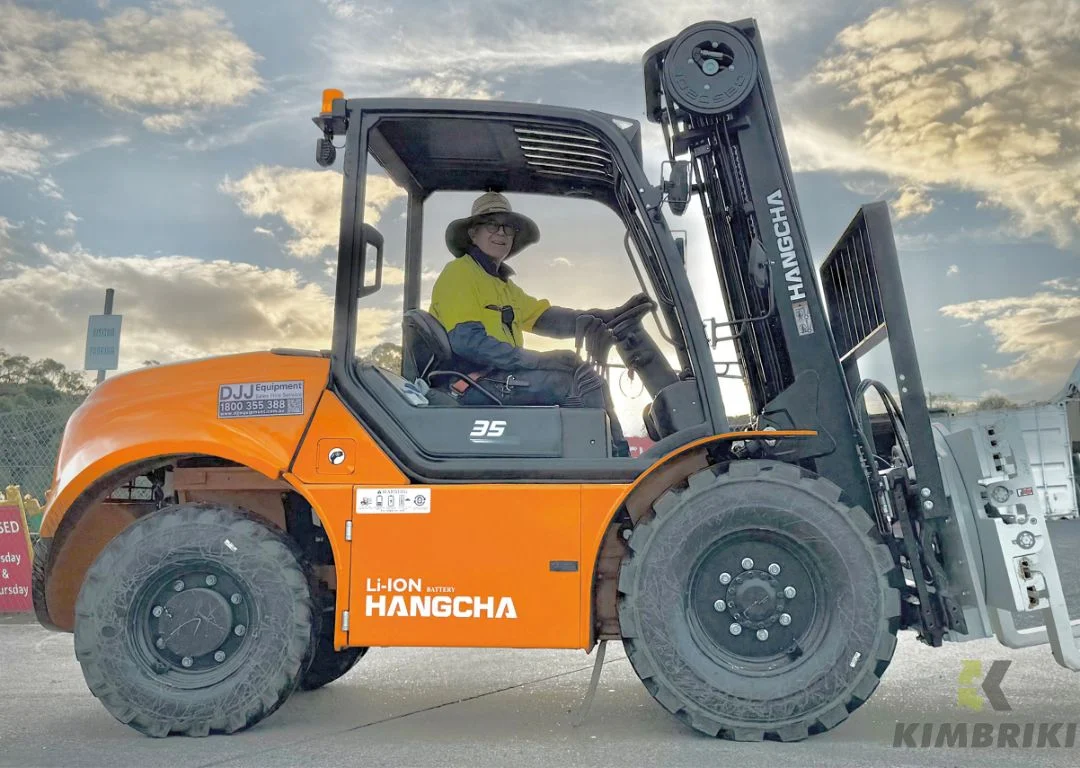
Rough terrain forklifts have large pneumatic tyres, more ground clearance and a diesel engine built for unsealed ground. A new 3.5 tonne machine costs about $30,000 to $48,000, with two-wheel drive models at the lower end and four-wheel drive at the top.
Drive type, mast height, tyres and options such as side shift move the price within that range, and the rough terrain forklift price guide breaks the costs down by size and drive type.
Warehouse trucks: pallet jacks, stackers, reach trucks and order pickers
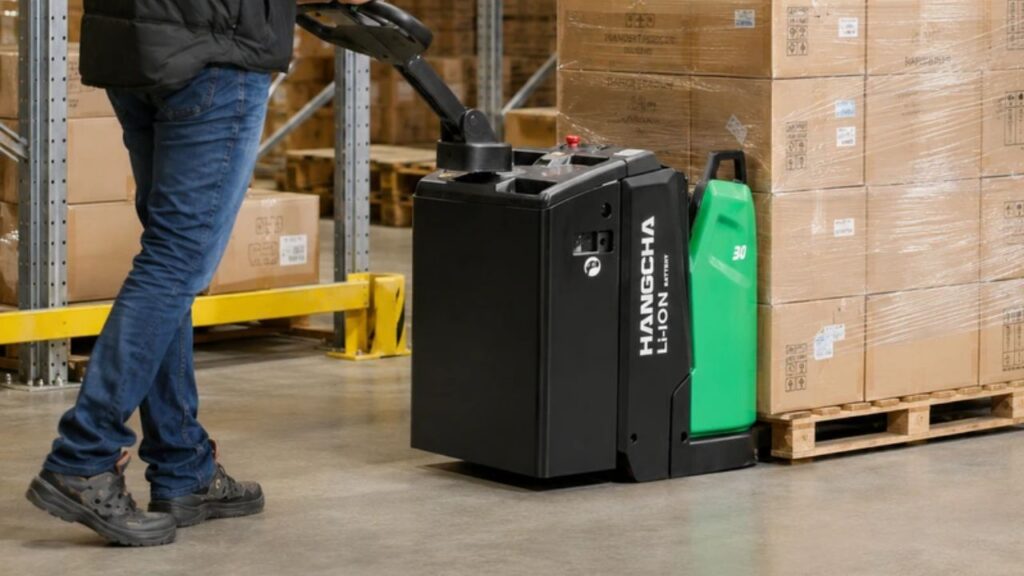
Warehouses often need more than counterbalance forklifts. Walk-behind and narrow-aisle trucks are priced quite differently, and each type has its own price guide.
- Electric pallet jacks: move pallets at floor level and are the lowest-cost powered option
- Walk-behind stackers: lift pallets onto low racking without a ride-on forklift, with prices set out in the guide to what a walkie stacker costs
- Reach trucks: work in narrow aisles and lift to high racking, and the reach truck price guide compares them by lift height
- Order pickers: lift the operator with the load to pick single items from racking, with new and used order picker prices compared side by side
What changes the price of a forklift
Two forklifts with the same rated capacity can be thousands of dollars apart. These are the main reasons:
- Capacity and load centre: higher capacity and a longer load centre need a heavier frame and counterweight
- Power: electric, LPG or diesel, and for electric models, lead-acid or lithium-ion
- Mast and lift height: a three-stage container mast and higher lift cost more than a standard two-stage mast
- Attachments: side shift, fork positioners, clamps and rotators add cost, and the data plate must show the capacity with the attachment fitted
- Tyres: pneumatic, solid or non-marking tyres suit different floors and yards
- Safety equipment: seatbelt interlocks, warning lights, pedestrian spot lights and cameras
- Brand and support: warranty terms, parts held locally and how quickly a technician can reach your site
- Condition: new, ex-demo or used
When comparing quotes, line them up on the same capacity, mast, attachments and warranty, so you compare like with like rather than the headline price.
Used forklift prices and what to check
Used forklifts usually cost 30 to 50% less than new. A well-maintained 2 to 3 tonne counterbalance forklift with under 5,000 hours typically sells for about $15,000 to $30,000, while the whole used market runs from around $5,000 for an old, high-hour machine to $50,000 or more for heavy-duty diesels. Hours on the meter and service history say more about a used forklift than its year.
- Hour meter reading, and service records that match it
- Mast: chains, rollers, side play and hydraulic leaks
- Forks: wear at the heel, cracks and bent tines
- Tyres, brakes and steering
- Electric models: a battery condition report or a new battery with its own warranty
- LPG models: the condition of the gas system and its last inspection
- A data plate that matches the mast and any attachments fitted
"Refurbished" has no fixed meaning in Australia, so ask for a service report that lists exactly which parts were replaced and which were only inspected.
Running costs: electric vs LPG vs diesel
For a 3 tonne forklift on a single shift of about 1,500 hours a year, typical yearly running costs look like this:
| Cost each year | Electric | LPG or diesel |
|---|---|---|
| Energy or fuel | About $1,500 to $5,400 | About $8,000 to $16,000 |
| Servicing, tyres, parts and inspections | About $4,100 to $7,100 | About $6,700 to $12,400 |
| Total | About $5,600 to $12,500 | About $14,700 to $28,400 |
Electric forklifts cost more to buy but much less to run, so for steady indoor work they usually work out cheapest over five years. LPG and diesel still make sense outdoors, on rough ground and where charging is not practical.
Businesses that use diesel or LPG forklifts off-road may be able to claim fuel tax credits, which reduce the fuel figures above. The current rates are 53.7 cents a litre for diesel and 17.5 cents a litre for LPG used off-road, and they change twice a year.
Buy, rent to own or hire
Buying suits a forklift that works most days for years. Rent to own spreads the cost over weekly payments, subject to finance approval, and hire suits seasonal peaks, short projects and cover while a machine is repaired. DJJ Equipment sells and hires forklifts from its Sydney, Brisbane and Perth branches, and minimum hire terms depend on the machine and branch.
The cost comparison of forklift hire and buying works through when each option pays off.
Equipment finance is available through DJJ's finance partner, subject to approval, for businesses that want to own the forklift without paying the full price upfront.
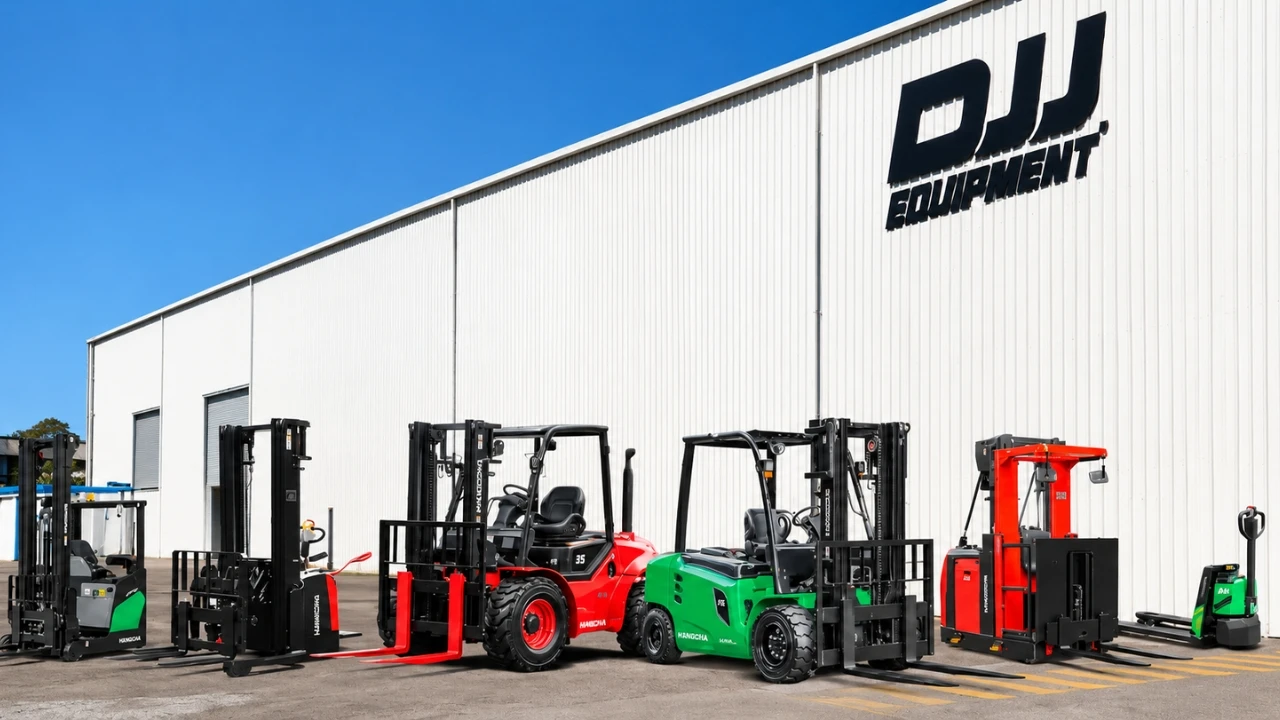
Forklift prices in Australia run from under $20,000 for an entry-level diesel or a used machine to $70,000 or more for a well-specified electric or LPG truck, and the best value comes from matching capacity, power and mast to your work, then comparing running costs as well as the price. DJJ sells and hires Hangcha electric, LPG, diesel and rough terrain forklifts and warehouse trucks from Silverwater, Meadowbrook and Bayswater, with service and parts at each branch. Call 1800 355 388 for a quote, or check current offers on the DJJ promotions page.