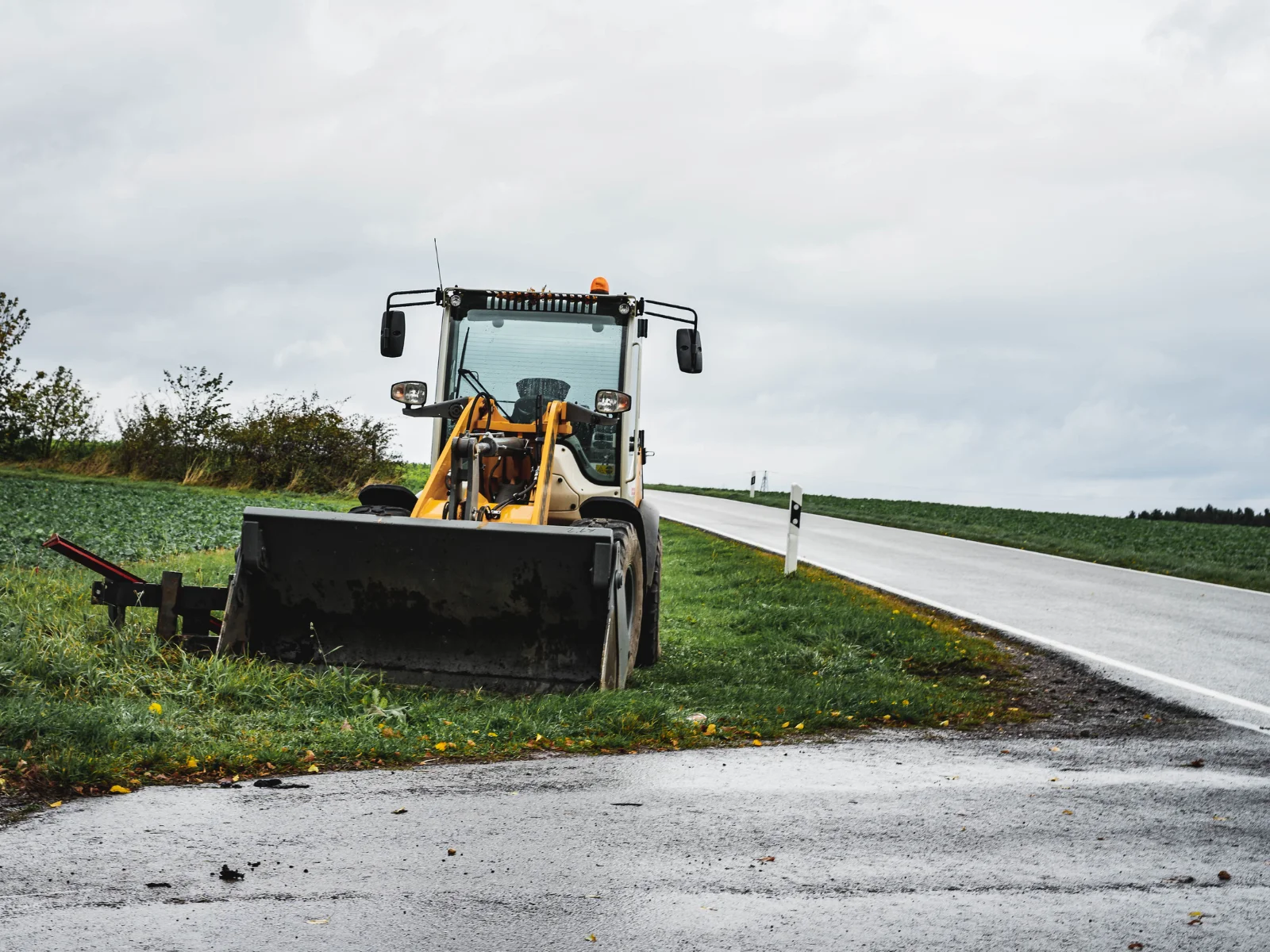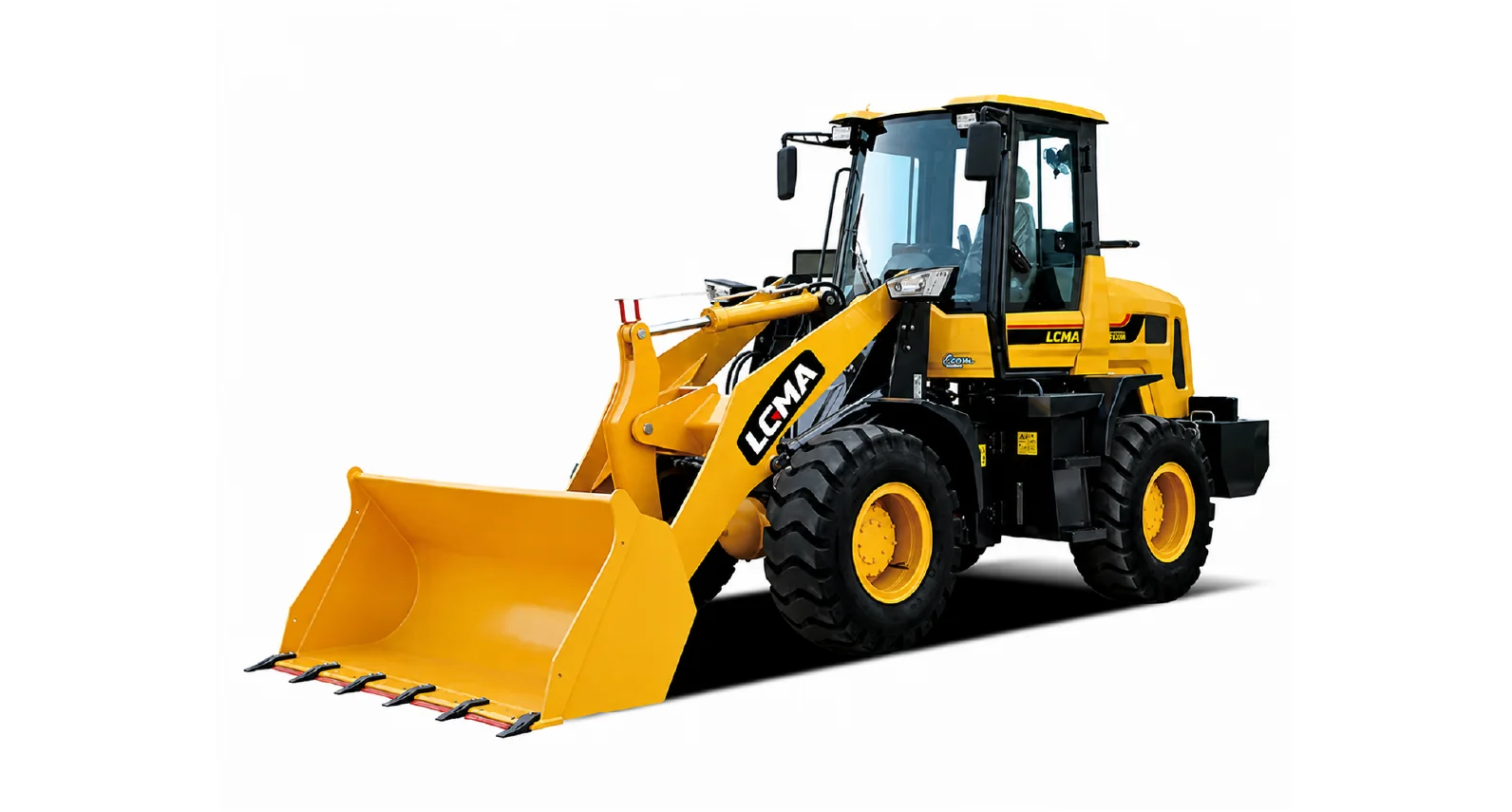
A wheel loader's main uses are loading trucks and hoppers, building and turning stockpiles, carrying material around a site, levelling and clean-up, and handling pallets, bales or logs with forks or a grapple. In Australia, you'll find them on construction and civil sites, farms and hobby properties, landscape and building supply yards, quarries, recycling depots and mine sites. The job a loader does most often decides its size and bucket.
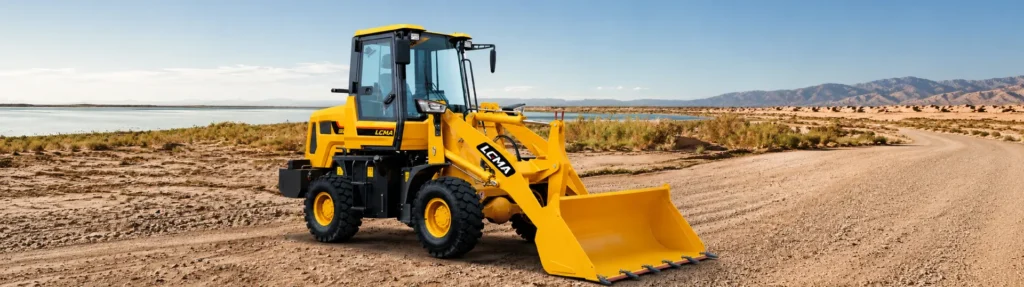
The main jobs a wheel loader does
Most wheel loader work comes down to five jobs, and many machines do all five in a week.
Loading trucks and hoppers
Loading trucks is the classic wheel loader job. On a busy yard, the truck parks at an angle to the stockpile and the loader works in a V pattern: it drives into the pile, fills the bucket, reverses, then turns and drives straight to the side of the truck to dump. Short, tight cycles keep the truck moving. The limit on this job is dump height, because the loader has to clear the side of the truck or hopper with the bucket tipped out.
Load and carry
Load and carry means filling the bucket and driving it to where the material is needed, such as from a stockpile to a crusher, a mixing area or a garden bed. Wheel loaders suit it because they travel faster than tracked machines and don't tear up hard surfaces. Over long distances, a truck is usually cheaper than driving a loaded bucket back and forth.
Building and turning stockpiles
Wheel loaders push material up into stockpiles, keep piles tidy and turn materials such as compost and mulch. A higher dump height lets you stack taller piles in the same footprint, which matters on a small yard.
Levelling, backfilling and clean-up
With the bucket floating along the ground, a loader can spread fill, backfill trenches, level pads and scrape up spills and debris. It won't grade as finely as a grader, but it handles rough levelling and site clean-up quickly.
Handling pallets, bales and logs
Swap the bucket for forks and a wheel loader lifts pallets of pavers, bagged products and bales; fit a grapple and it handles logs, brush and rocks. A quick coupler makes these swaps fast, and a parallel lift linkage keeps forks level as they rise. The rated load changes when forks or a grapple are fitted, so check the figure for the attachment you use.
Wheel loader uses by industry
The table sums up how wheel loaders are used across Australian industries, the size that usually fits and the bucket or attachment that does most of the work.
| Industry | Typical jobs | Usual size | Bucket or attachment |
|---|---|---|---|
| Construction and civil | Loading trucks, backfilling, moving road base, site clean-up | Compact to mid-size | General purpose bucket, forks |
| Farms and hobby properties | Moving feed, manure and gravel, clearing scrub, shifting rocks, handling bales and logs | Compact | General purpose bucket, forks, grapple |
| Landscape and building supply yards | Loading soil, mulch, sand and gravel onto utes and trucks, stacking pallets | Compact to mid-size | General purpose and light material buckets, forks |
| Quarries and aggregates | Loading trucks from stockpiles, feeding crushers and screens | Mid-size to large | Heavy-duty rock bucket |
| Recycling and waste | Pushing and loading mixed waste, green waste and demolition material | Compact to mid-size | Light material bucket, grapple |
| Mining support | Clean-up around plant and workshops, road and pad maintenance | Compact to mid-size | General purpose bucket |
| Plant hire fleets | Dry hire to builders, farmers and landscapers | Compact | General purpose bucket, forks |
Compact and small mid-size loaders, such as the LGMA range DJJ Equipment sells, cover most of these jobs. Quarry faces and loading haul trucks at a mine are the exception, where much larger machines are the norm.
Construction and civil works
On building and civil sites, a wheel loader loads spoil into trucks, moves road base and aggregates, backfills around footings and services, and keeps the site clear. Its speed on hard ground is the advantage over tracked machines. Where a site is tight, a smaller loader or a skid steer often fits better.
Farms and hobby properties
Farms and lifestyle blocks are where compact wheel loaders earn their keep in Australia. One loader can move feed and manure, spread gravel on tracks, clear scrub, pull stumps and shift rocks, then swap to forks for pallets and bales.
Our customers' reviews show the range. Troy uses an LGMA LM920 wheel loader for earthworks, development and stump removal around the property. Zhishuai runs a loader with a grapple on a 5-acre block, mostly for handling logs, and Ben calls an LM938 a great value hobby farm loader.
I was a bit sceptical at first about a cheap Chinese loader, but it's completely proved me wrong.
Adam V., LM920 owner, Perth branch customer
These customer stories come from public Google reviews, and most of them are from our Perth branch, where you can read the full Google reviews of DJJ Equipment Perth.
Landscape and building supply yards
Landscape and building supply yards load soil, mulch, sand, gravel and decorative stone onto customer utes, trailers and trucks all day. A compact loader with a quick coupler suits them: a light material bucket for mulch, a general purpose bucket for sand and gravel, and forks for pallets of pavers and bagged product. Turning circle and visibility matter more than raw power in a crowded yard.
Quarries and aggregates
Quarries use wheel loaders to load trucks from stockpiles and feed crushers and screens, often working a V pattern all shift. The work is heavy and abrasive, so quarry loaders run heavy-duty rock buckets and rock-rated tyres, and they're usually mid-size or larger. A compact loader suits a small quarry's stockpile area or a supplier's crushed rock bays rather than the quarry face.
Recycling and waste
Recycling and waste sites use loaders to push and load mixed waste, green waste and construction and demolition material, and to feed shredders and screens. Light, bulky material suits a larger light material bucket, while a grapple handles awkward items. Puncture-resistant tyres and good cab filtration are worth asking about for this work.
Mining support
On mine sites, the biggest wheel loaders load haul trucks at the face, but smaller loaders do much of the support work: cleaning up around plant and workshops, maintaining roads and pads, and moving material around camps. In remote areas, parts support matters as much as the machine. When one customer needed parts in the Pilbara, our Perth team had them there by the next morning.
We keep commonly needed wheel loader parts at our Perth, Brisbane and Sydney branches, so wear items and filters aren't a long wait.
Land clearing
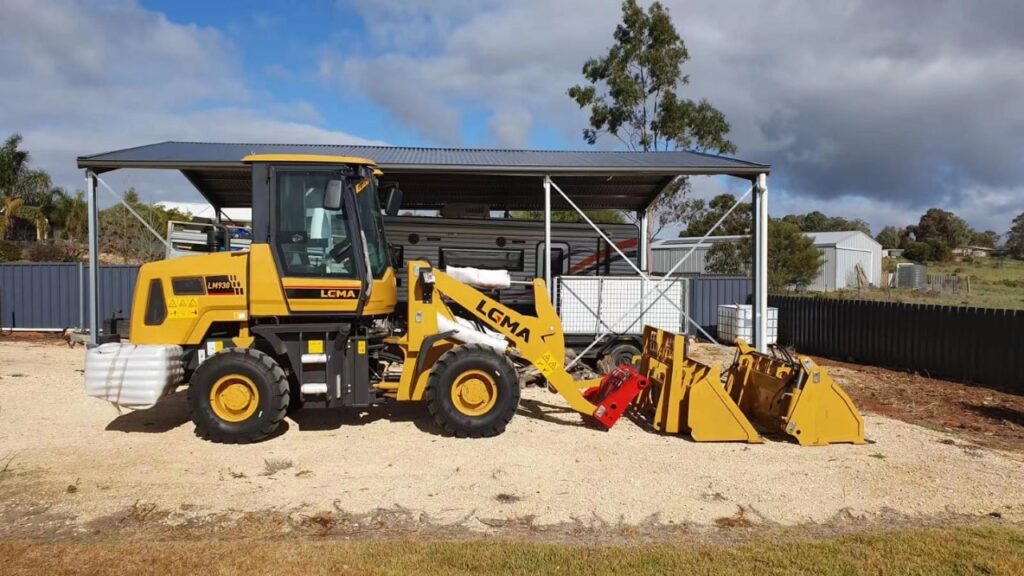
Clearing parts of a rural property is a job compact loaders handle well, with a general purpose bucket for soil and rocks and a grapple for scrub and logs. Kaylene's loader works on the family's property near Jurien Bay in Western Australia with several buckets, clearing scrub and moving rocks.
Ripping out the prickle bush, acacia weed and the moving of rocks has made a massive difference to our property in such a short time!
Kaylene W., Jurien Bay WA
Plant hire fleets
Hire companies add compact loaders to their dry hire fleets because builders, farmers and landscapers ask for them often. Milton, who runs a hire business in Boorowa NSW, added a 5 tonne loader to the fleet and, two years after buying it, said it goes out on dry hire a lot with no problems.
Matching the bucket to the material
The right bucket depends on how heavy the material is, because a loader's rated load stays the same whatever you put in the bucket. Heavy material needs a smaller bucket, and light material can use a bigger one.
| Bucket | Built for | Typical materials |
|---|---|---|
| General purpose | Everyday digging and loading | Sand, gravel, soil and road base, around 1,600 kg per cubic metre loose |
| Light material | Bulky, light loads, with extra capacity and high sides | Mulch, woodchips, compost and grain, often under about 800 kg per cubic metre |
| Heavy-duty rock | Dense, abrasive material, with thicker wear plates and teeth | Blasted rock, crushed rock and demolition concrete |
| 4-in-1 (multi-purpose) | A bucket that opens like a clamshell | Grabbing, dozing, levelling and backfilling |
| High tip | Extra dump height from a second set of cylinders | Loading high-sided trucks, trailers and hoppers |
| Skeleton (screening) | An open grid floor | Sifting rocks and debris out of soil |
A quick check is bucket capacity times material weight, compared with the rated load. Take the LGMA LM946, with a 2.8 t rated load and a 1.5 m³ bucket. Filled with mulch at around 0.5 t per cubic metre, the bucket carries about 0.75 t, so a bigger light material bucket would make each pass more productive. Filled with loose sand at around 1.6 t per cubic metre, it carries about 2.4 t, close to the limit, so a bigger bucket would overload the machine.
How much weight can a wheel loader lift?
A wheel loader can safely carry its rated load, which ISO 14397-1 sets at 50% of the full-turn static tipping load for wheel loaders. The LGMA range runs from a 1.6 t rated load on the LM920 to 2.8 t on the LM946, while large quarry and mining loaders carry many times that.
Rated load only tells part of the story. Breakout force decides how easily the bucket fills, and tipping load drops when the loader turns, so knowing how a wheel loader works makes those figures easier to compare.
Attachments that widen what a wheel loader can do
Attachments let one loader do the work of several machines, which is why many farm and property buyers add forks or a grapple when they buy the loader.
- Forks: pallets, bagged products, bales and pipe
- Grapple: logs, brush, scrap and rocks
- 4-in-1 bucket: grabbing, dozing, levelling and backfilling with one tool
- High tip bucket: loading higher trucks and hoppers without a bigger machine
- Quick coupler: swapping between tools in minutes
Eddie, who bought an LM920 with a quick-release bucket and a set of forks, says the combination makes the loader useful for almost every job around the property. We supply buckets, forks and grapples for wheel loaders, and compatibility with your model is confirmed before you order.
Each attachment changes the rated load and the way the loader handles, so it pays to choose the right wheel loader attachments before the machine itself.
Choosing the right size for the job
Choose the size from the heaviest regular job and the highest dump you need, not the biggest job you might do once a year.
| Main job | Size that usually fits |
|---|---|
| Small properties, landscaping, small yards | Compact, such as the LM920, LM930 or LM938 (3.8 to 5.2 t operating weight) |
| Bigger farms, small civil jobs, building supply yards | Compact to small mid-size, such as the LM940 or LM946 (6.5 to 8.2 t) |
| Loading trucks all day on large civil, recycling or aggregate sites | Mid-size, larger than the LGMA range |
| Quarry faces and mine loading | Large |
For most farms, yards and building sites, the compact end is the right place to start, and you can compare the LGMA models side by side in our wheel loaders for sale.
A wheel loader earns its place wherever loose material has to be loaded, carried or stacked, from a hobby farm to a recycling depot, and the job it does most days decides the size and bucket. Call DJJ on 1800 355 388 with the material you move, the height you dump to, the ground you work on and the attachments you need, and our team will match a loader to the work.