
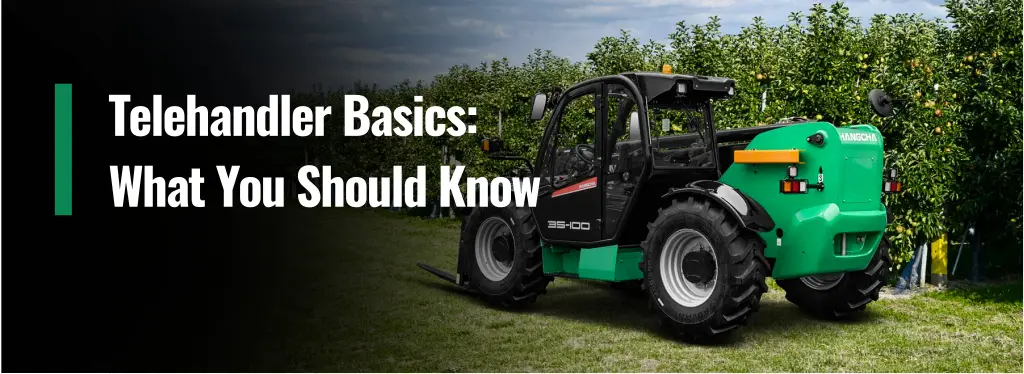
Ever struggled moving heavy stuff on a construction site or farm? Meet the telehandler – your versatile sidekick! Combining the lifting power of a crane with the flexibility of a forklift, a telehandler can make tough jobs look easy.
What Is a Telehandler?
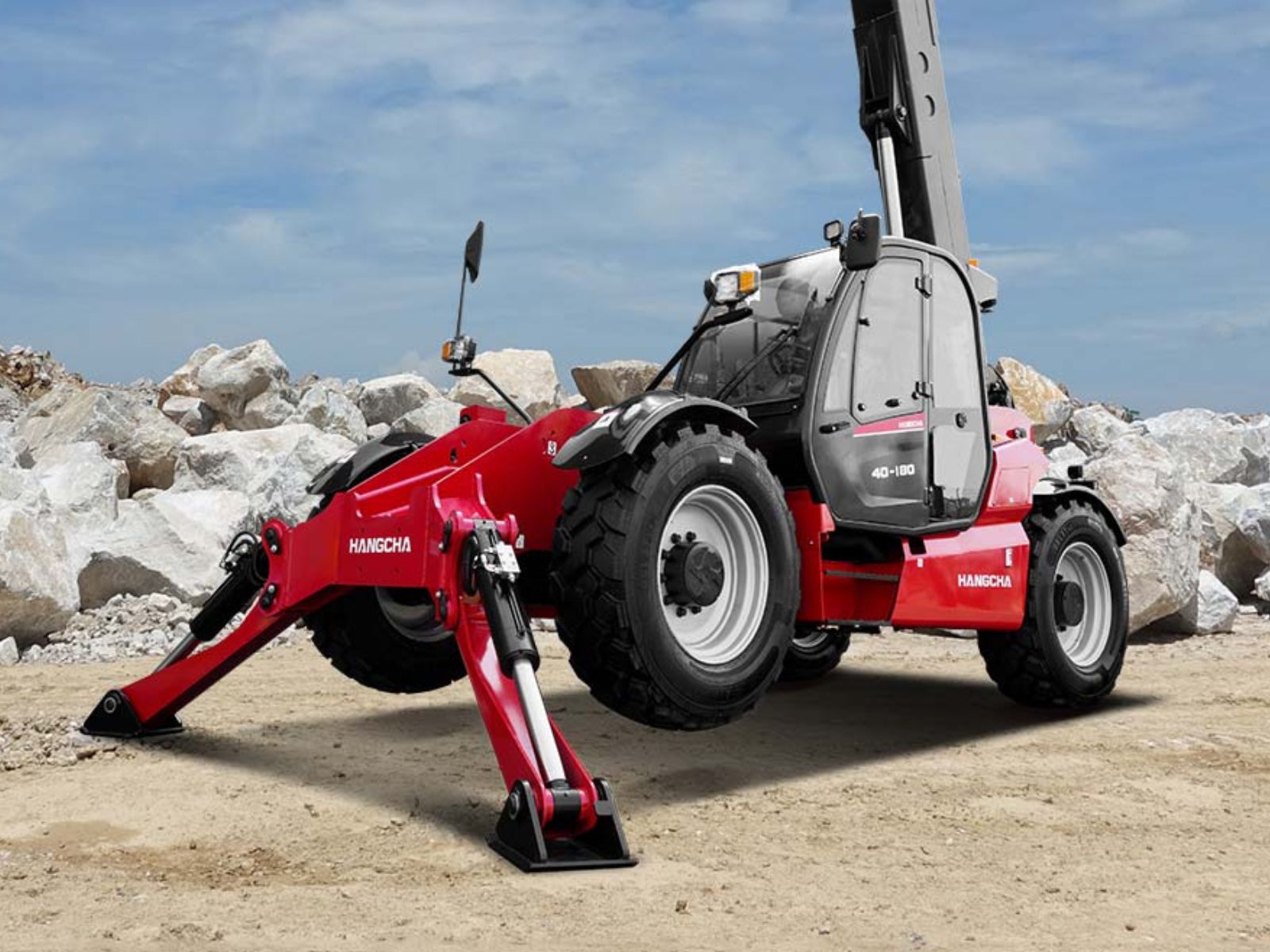
A telehandler (or telescopic handler) is essentially a forklift with a long, extendable boom. This boom can reach high and far, and you can attach all kinds of tools – from forks to buckets, hooks, or even a work platform. With 4-wheel drive and agile steering, telehandlers are perfect for outdoor sites, uneven terrain, and tight spaces where other machines might struggle.
Reach and Lifting Capacity
Telehandlers are impressive when it comes to reach:
- Vertical lift: up to 17 meters
- Forward reach: up to 13 meters
- Capacity: varies depending on boom extension and load position
Lifting power by type:
- Compact units: 2.5–3 tons
- Mid-range units: 3.5–4 tons
- Heavy-duty units: 6 tons or more
Think of it as a forklift that can also act a bit like a mini crane – but way easier to operate. At DJJ Equipment, we also offer all common attachments to help you handle every kind of job on site.
Types of Telehandlers
Fixed Boom: Simple and cost-effective. Ideal for farms, open construction sites, or warehouses where mainly straight lifting is needed.
Rotating Boom: Features a 360° rotating turret, letting operators reposition loads without moving the base. Perfect for tight spaces, urban construction, or replacing cranes and aerial platforms.
Whether you need a fixed or rotating telehandler, DJJ Equipment has you covered — we supply both types across Australia.
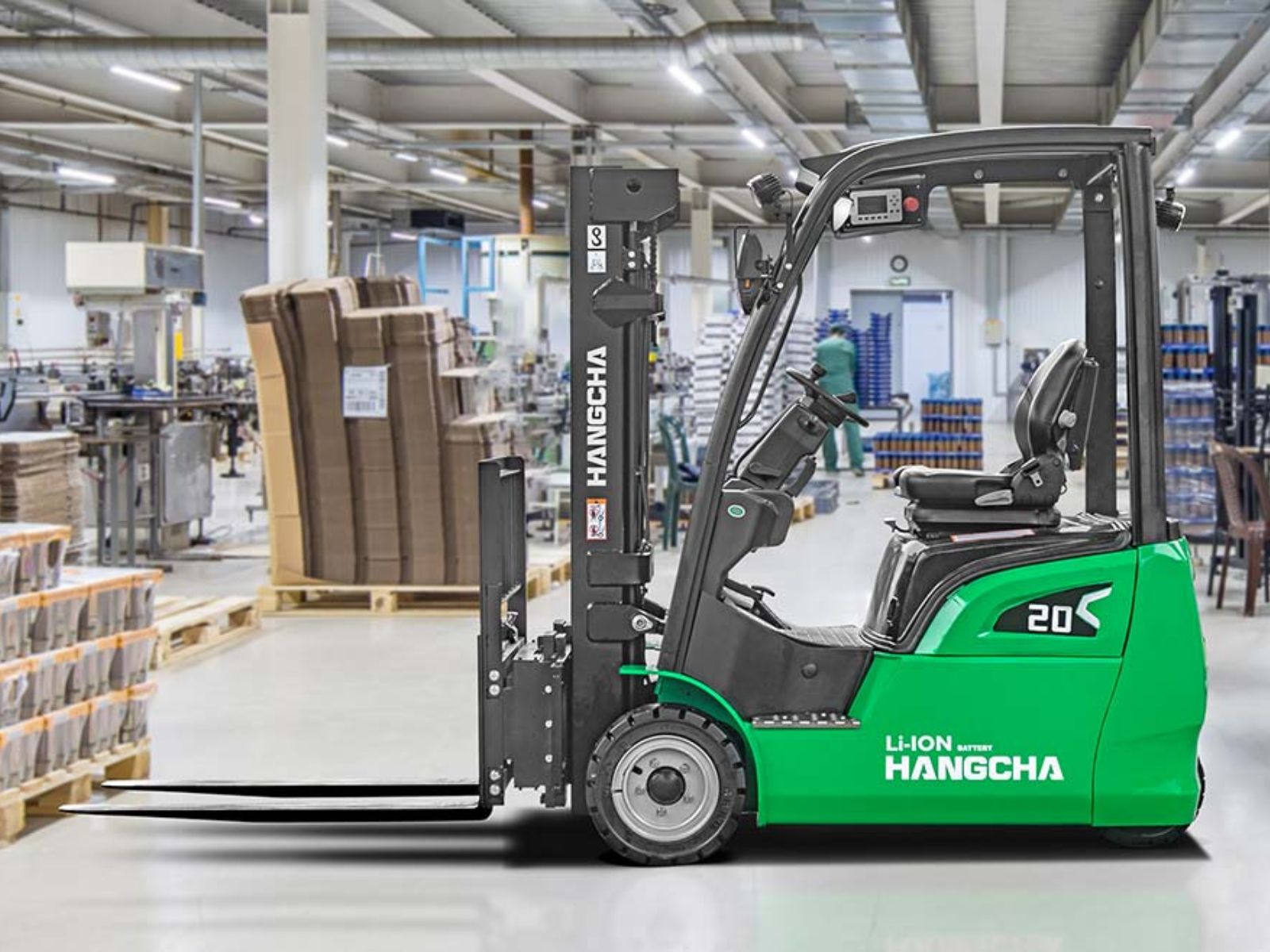
Telehandler vs. Forklift
Wondering if you really need a telehandler? Here’s the quick scoop:
- Lift: Telehandler’s boom extends and rotates; forklifts lift only straight up and down.
- Height: Forklifts: 3–6 meters; Telehandlers: 6–17 meters.
- Terrain: Telehandlers handle rough ground; forklifts prefer smooth warehouse floors.
- Reach: Telehandlers can get to tricky spots like rooftops or scaffolds.
Example: You need to place a pallet on a second-floor scaffold. A regular forklift might struggle, but a telehandler will get it there in a breeze. Plus, with interchangeable attachments, it can handle a wide range of tasks.
Versatile Attachments
A telehandler is like a Swiss army knife for construction:
- Forks: Move pallets and warehouse goods
- Buckets: Handle sand, soil, or grain
- Work platforms: Lift personnel for high-up tasks like building maintenance or tree trimming
- Hooks: Hoist heavy loads like timber, steel, or machinery
- Clamps: Grip logs, pipes, or oddly shaped materials
- Concrete buckets: Pour concrete efficiently
- Sweeper brushes: Keep your site clean
- Spray systems: For agriculture or dust control
Where Telehandlers Shine
Telehandlers are perfect for a variety of outdoor jobs:
- Construction sites – placing materials at height or in tight spaces
- Farms – handling feed, hay, or soil
- Warehouses – outdoor loading/unloading
- Ports and docks – container handling or heavy equipment movement
Find Your Telehandler at DJJ Equipment
Whether you’re lifting, reaching, or transporting heavy materials, a telehandler can save time, reduce extra machinery, and make tough jobs easier.
At DJJ Equipment, we offer a full range of telehandlers and attachments across Australia, with options for test drives and rentals, helping you get your projects done faster and smarter.
Check out our range today and find the perfect sidekick for your job site!
FAQ’s
What is the difference between a telehandler and a forklift?
A telehandler has a telescopic boom that can extend forward and upward, letting it lift loads to higher or farther spots. A forklift, on the other hand, mainly lifts loads straight up and down.
What is a telehandler called in Australia?
In Australia, it’s commonly called a telehandler or telescopic handler — both mean the same thing.
Can I drive a forklift with a telehandler licence?
No. Telehandler and forklift licences are different. You’ll need the right ticket for the type of machine you operate.
Is a telescopic handler high risk?
Yes. Operating a telehandler over three tonnes usually requires a High Risk Work Licence (Class LF or CN), depending on how it’s used.
Is a telehandler a class 7 forklift?
Yes, telehandlers are classified as Class 7 forklifts under Australian standards, meaning they’re designed for rough terrain and outdoor work.
At DJJ Equipment, we also offer all common attachments to help you handle every kind of job on site.
.webp)