A new wheel loader in Australia costs from about $31,000 +GST for a value-brand machine of 5-10 t to well over $300,000 for a major-brand loader of 20 t, and most used loaders sell for between about $25,000 and $435,000 depending on size, age and hours. Size sets the starting price, brand tier sets the gap between machines of the same size, and hours drive most of the spread on used machines. All figures here are indicative, +GST and as at October 2026.
Wheel loader prices by size at a glance
Wheel loader prices climb steeply with operating weight. The table compares advertised Australian prices for new and used machines in each size class.
| Size class (operating weight) | New, value brands | New, major brands | Used, older or high hours | Used, 2018 or newer |
|---|---|---|---|---|
| 5-10 t | $31,000-$76,000 | Price on application | $25,000-$75,000 | $95,000-$165,000 |
| 10-15 t | $64,000-$134,000 | Price on application | $50,000-$125,000 | $130,000-$260,000 |
| 15-20 t | $105,000-$167,000 | Price on application | $40,000-$150,000 | $170,000-$335,000 |
| Over 20 t | Price on application | Price on application | $50,000-$185,000 | $175,000-$435,000 |
Two things stand out. Most major brands don't publish new-machine prices in Australia, so a quote is the only way to compare them. And a late-model used loader from a major brand often costs more than a new value-brand machine of the same size, because buyers pay for the brand's resale value and parts network as well as the machine.
Compact and small wheel loader prices (under 10 t)
Small wheel loaders of 5-10 t are the most common size on farms, hobby properties, landscaping jobs and building supply yards, and they have the widest choice of value brands. New value-brand machines start around $31,000 +GST, with most between about $40,000 and $65,000; the price rises with operating weight, engine power, bucket size and what's included, such as a quick hitch, forks or a spare bucket.
Below 5 t, fewer prices are published. Mini articulated loaders, rated to lift well under a tonne, start in the low $20,000s, but they're a different class of machine from a compact wheel loader that can carry a 1.5 t pallet.
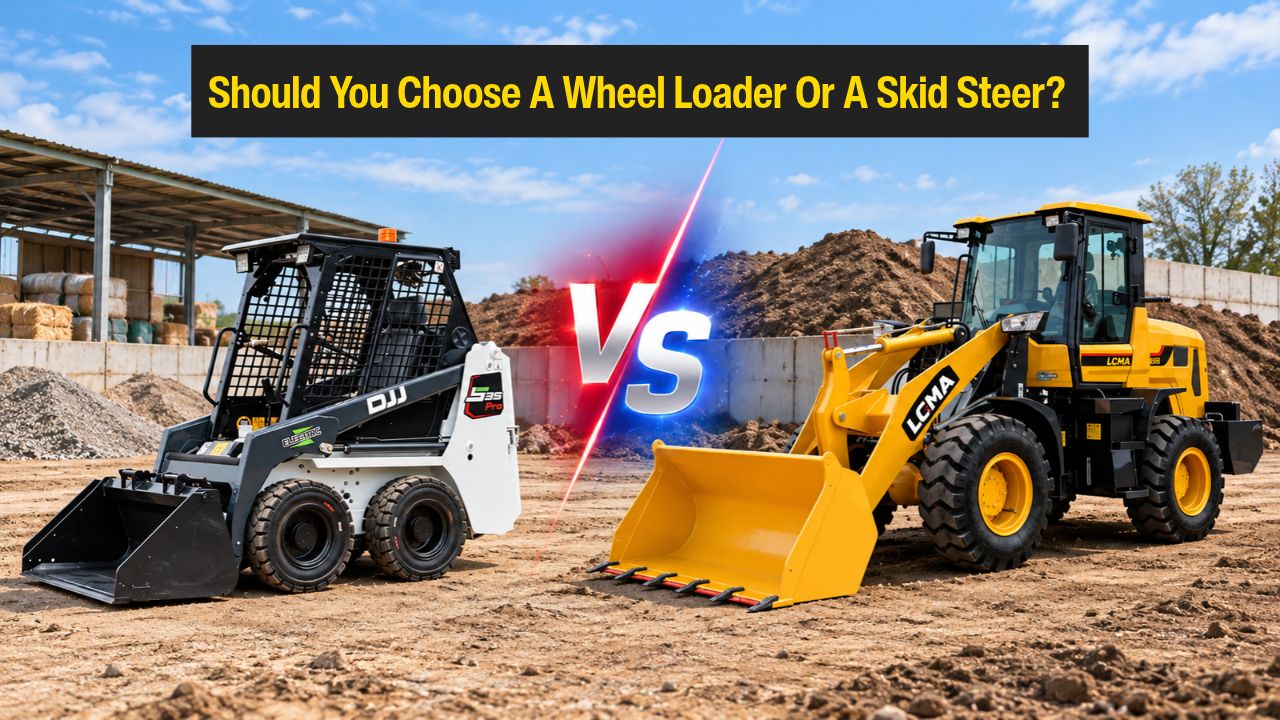
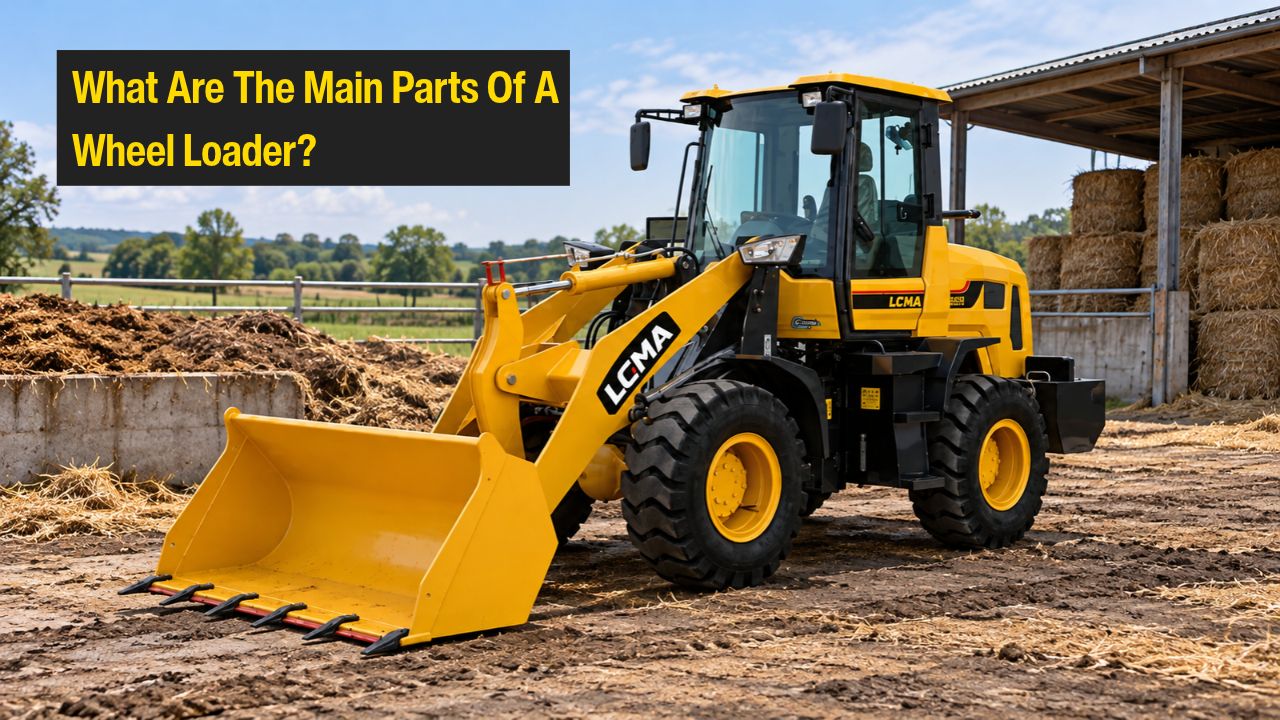
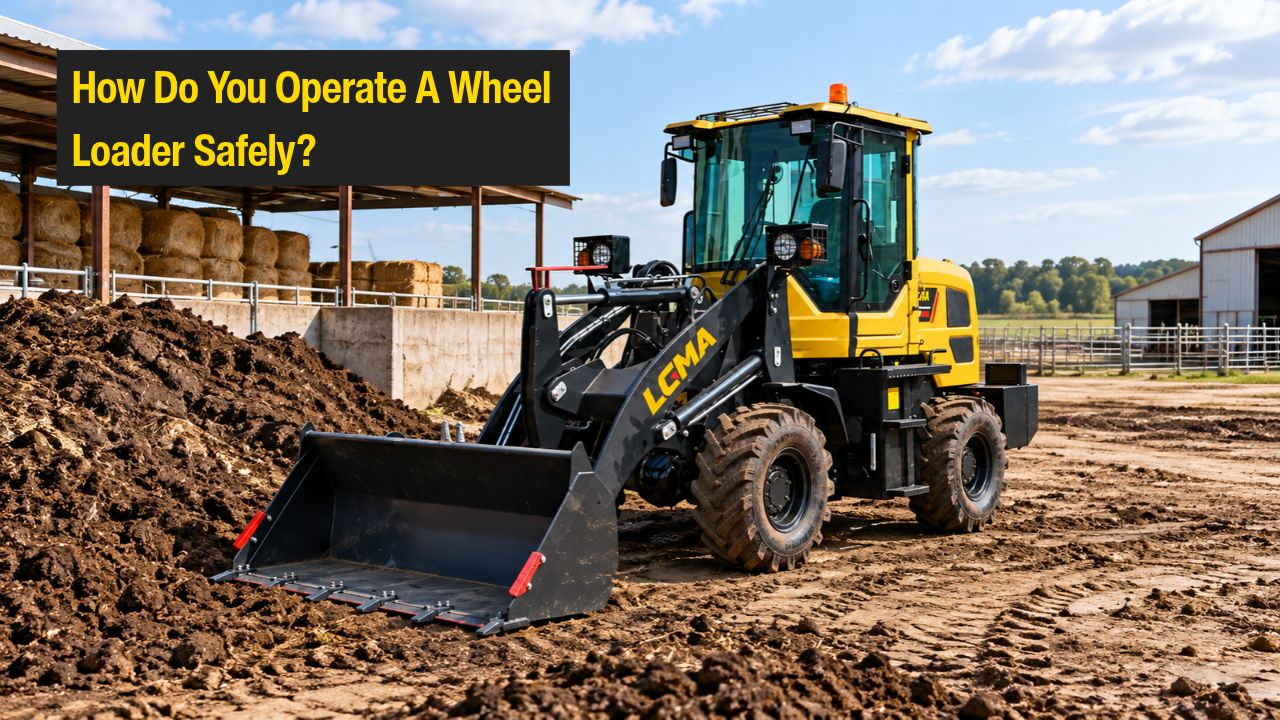
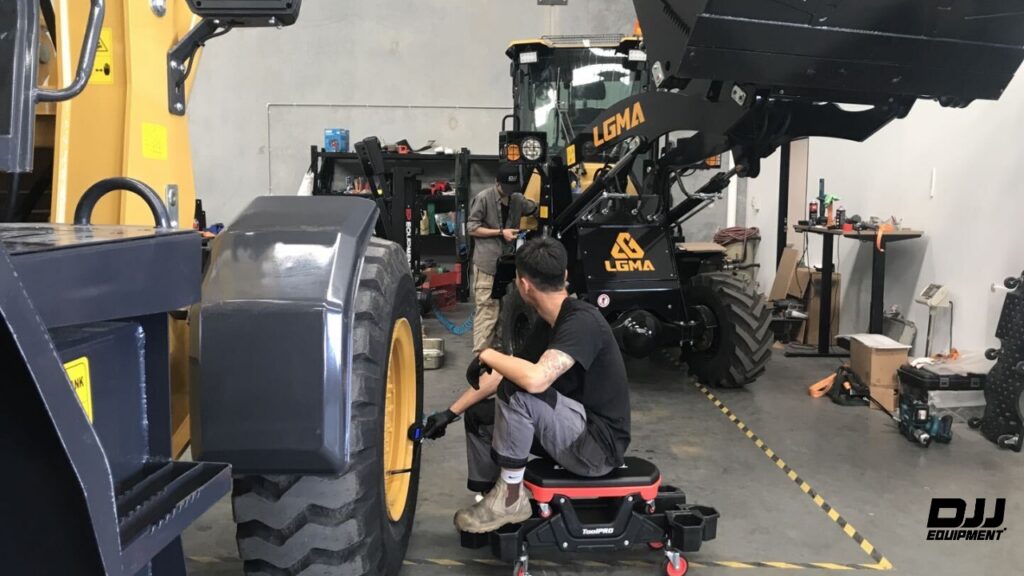
DJJ Equipment sells the LGMA range from 3.8 t to 8.2 t, which spans the top of the compact class and the lighter half of the small class. The entry LGMA LM920 weighs 3.8 t with a 1.6 t rated load and a 0.8 m³ bucket, while the LM946 at the top of the range weighs 8.2 t and carries a 1.5 m³ bucket. The LM920 is $22,900 + GST ($25,190 inc. GST), below the 5-10 t band in the table because the machine is smaller. Ask our team for pricing on the other models.
Used small loaders split into two markets. Older machines with 8,000 hours or more, often 10 to 30 years old, sell for about $25,000-$75,000. Late-model major-brand loaders with low hours hold their value and sit closer to $95,000-$165,000.
Mid-size wheel loader prices (10 to 20 t)
Mid-size wheel loaders of 10-20 t carry 1.8-3.5 m³ buckets and do most of the truck loading on civil sites, quarries, recycling depots and bulk yards. New value-brand machines cost about $64,000-$134,000 +GST at 10-15 t and about $105,000-$167,000 at 15-20 t.
Major-brand new machines in this class are almost always priced on application. One published price for a new 19 t major-brand loader was $325,000 +GST, which shows how far apart the two tiers can be.
Used mid-size loaders cover the widest range of any class. A 10-15 year old machine with more than 10,000 hours can be found for $50,000-$125,000, while a late-model loader with a few thousand hours runs from about $130,000 to over $300,000. At this size, hours, service history and the state of the tyres move the price more than the year.
Large wheel loader prices (20 t and over)
Large wheel loaders over 20 t are bought mainly by quarries, mines, ports and large recyclers, and new prices are rarely advertised in any tier. Expect a dealer quote, often packaged with finance, a service agreement and buckets sized for the material.
Used large loaders sell for about $50,000-$185,000 when they're older or past 12,000 hours, and about $175,000-$435,000 when they're 2018 or newer. Mining-class machines over 40 t are a separate market that can run well past $500,000 used.
New or used wheel loader: what the money buys
A new wheel loader buys a full warranty, known history and the latest engine and safety equipment; a used one buys a lower price and faster delivery, with more risk. The right choice depends on how many hours a year you'll run it and how much downtime you can live with.
- New: suits buyers who'll run the loader most days and want warranty cover, predictable servicing and the option to finance over several years.
- Used, late model: suits buyers who want a known brand at a lower price and can check the service history before they buy.
- Used, older: suits occasional work, such as a few hundred hours a year on a farm, where a lower price matters more than uptime.
Whatever you buy, budget beyond the sticker price. Fuel, tyres and servicing usually cost more over a machine's life than the gap between two quotes, and the cost of owning a wheel loader is worth working out before you compare prices. If you're buying second-hand, have a technician inspect the machine and run a $2 PPSR search on the serial number to check that no lender still has an interest in it.
Costs on top of the wheel loader price
A wheel loader price often covers only the machine and a standard bucket, so check what's included before you compare two quotes. These are the extras that most often change the total:
- Buckets and attachments: listed prices run from a few thousand dollars for a compact 4-in-1 bucket to around $20,000 for a large rock bucket, with pallet forks and a quick hitch in between.
- Delivery: loaders travel on a float, and the cost depends on distance and machine size, so get a transport quote with the machine quote.
- Registration and insurance: needed if the loader will travel on public roads, and insurance is worth pricing for any machine you finance.
- Pre-delivery checks and training: ask whether the seller includes a pre-delivery inspection and an operator walk-through.
Matching the attachment to the job matters as much as the price, and loader attachments for the LGMA range can be quoted with the machine.
Should you hire or buy a wheel loader?
Hiring a wheel loader makes sense for a job measured in weeks; buying makes sense once you need one for most of the year. Dry hire, without an operator, runs at about $320-$550 a day +GST for a 12-13 t loader, or about $2,500 a week, plus float charges both ways.
Say you need a 13 t loader for a 12-week job. At $2,500 a week, hire costs about $30,000 +GST, with no servicing, storage or resale to think about. The same money would buy only an older, high-hour machine of that size, and you'd still own it when the job ends. Hire for 36 weeks, though, and you've spent about $90,000, enough for a solid used mid-size loader. If the work is ongoing, buying usually wins well before that point. Check the agreement terms, operator tickets and delivery condition before hiring a wheel loader, because they can add more than the rate does.
DJJ also hires wheel loaders. Call 1800 355 388 to check which models are available at your nearest branch and the minimum hire term.
Paying for a wheel loader
Most businesses finance a wheel loader rather than paying cash, usually through a chattel mortgage, a hire purchase or a finance lease. You can work out repayments on a machine you're considering with our equipment finance partner before you ask for a quote.
With a chattel mortgage you own the machine from day one and can usually claim the GST back in one go, while lease payments are claimed as you make them. The small business instant asset write-off is capped at $20,000 per asset, so most wheel loaders go into the small business depreciation pool instead. Check the treatment for your business with your accountant.
The best wheel loader price is the one that fits the work you'll actually do: a value-brand compact for a farm or yard, a used late-model machine if you want a known brand for less, and a quote from a dealer for anything big. DJJ sells LGMA wheel loaders at the compact end of the market, so call 1800 355 388 with the material you move and your yearly hours.