A new mini excavator in Australia costs about $13,000 to $65,000 for a 1 to 2.5 tonne machine, and about $50,000 to $130,000 for a 4 to 6 tonne midi. Used machines in dealer listings range from around $31,500 for a typical 1.5 tonne mini to about $160,000 for a 20 tonne excavator, and $280,000 or more for 40 tonnes and over. Where a machine falls in each range depends on its size, brand, condition and the attachments included, and the purchase price is only part of what it costs to own.
Excavator prices by size at a glance
The ranges below are indicative, taken from Australian dealer listings and price lists as at September to October 2026. Some advertised prices include GST and some don't, so check which applies before comparing quotes.
| Size | Typical new price | What sits at each end of the range |
|---|---|---|
| 1 to 1.5 tonnes | About $13,000 to $42,000 | Entry-level imported machines with a canopy at the low end, branded machines with zero tail swing at the top |
| 1.5 to 2.5 tonnes | About $26,000 to $65,000 | Basic machines at the low end, machines with a cab, a branded engine and a hydraulic quick hitch at the top |
| 2.5 to 4 tonnes | About $38,000 to $85,000 | The spread depends mostly on brand, cab and hydraulics for attachments |
| 4 to 6 tonnes | About $50,000 to $130,000 | Imported midis at the low end, Japanese-brand machines with full options at the top |
Large new excavators are rarely priced publicly. Dealers usually quote them to order, so used prices are the most reliable guide above 6 tonnes.
| Used size class | Operating weight | Most asking prices fall between | Typical asking price |
|---|---|---|---|
| 1.5 tonne | 1.5 to 2.5 t | $30,500 and $32,000 | $31,500 |
| 3 tonne | 2.5 to 4 t | $47,500 and $62,500 | $52,500 |
| 5 tonne | 4 to 6.5 t | $38,000 and $74,500 | $50,000 to $70,000 |
| 8 tonne | 6.5 to 10 t | $82,000 and $109,000 | $98,500 |
| 13 tonne | 10 to 16 t | $94,500 and $147,500 | $114,000 |
| 20 tonne | 16 to 25 t | $89,500 and $198,000 | $160,000 |
| 30 tonne | 25 to 35 t | $105,500 and $183,500 | $164,000 |
| 40 tonne and over | 35 t and over | $154,000 and $347,500 | $280,000 |
For small machines, used prices can sit close to, or even above, new prices. Used listings are often well-known Japanese brands that hold their value, while the new ranges include lower-priced imported machines.
Mini excavators (1 to 4 tonnes)
Mini excavators suit house sites, landscaping, trenching for services and farm work, and they show the widest spread of prices for the same weight.
The gap comes from a few things. Entry-level imported machines with a simple canopy and basic hydraulics sit at the bottom of each range. A branded engine, a cab instead of a canopy, zero tail swing, a hydraulic quick hitch and auxiliary hydraulics for attachments all add to the price, and Japanese-brand machines sit at the top. As a rule of thumb, a set of buckets, a quick hitch and a trailer add around 10 to 20% to the price of the machine.
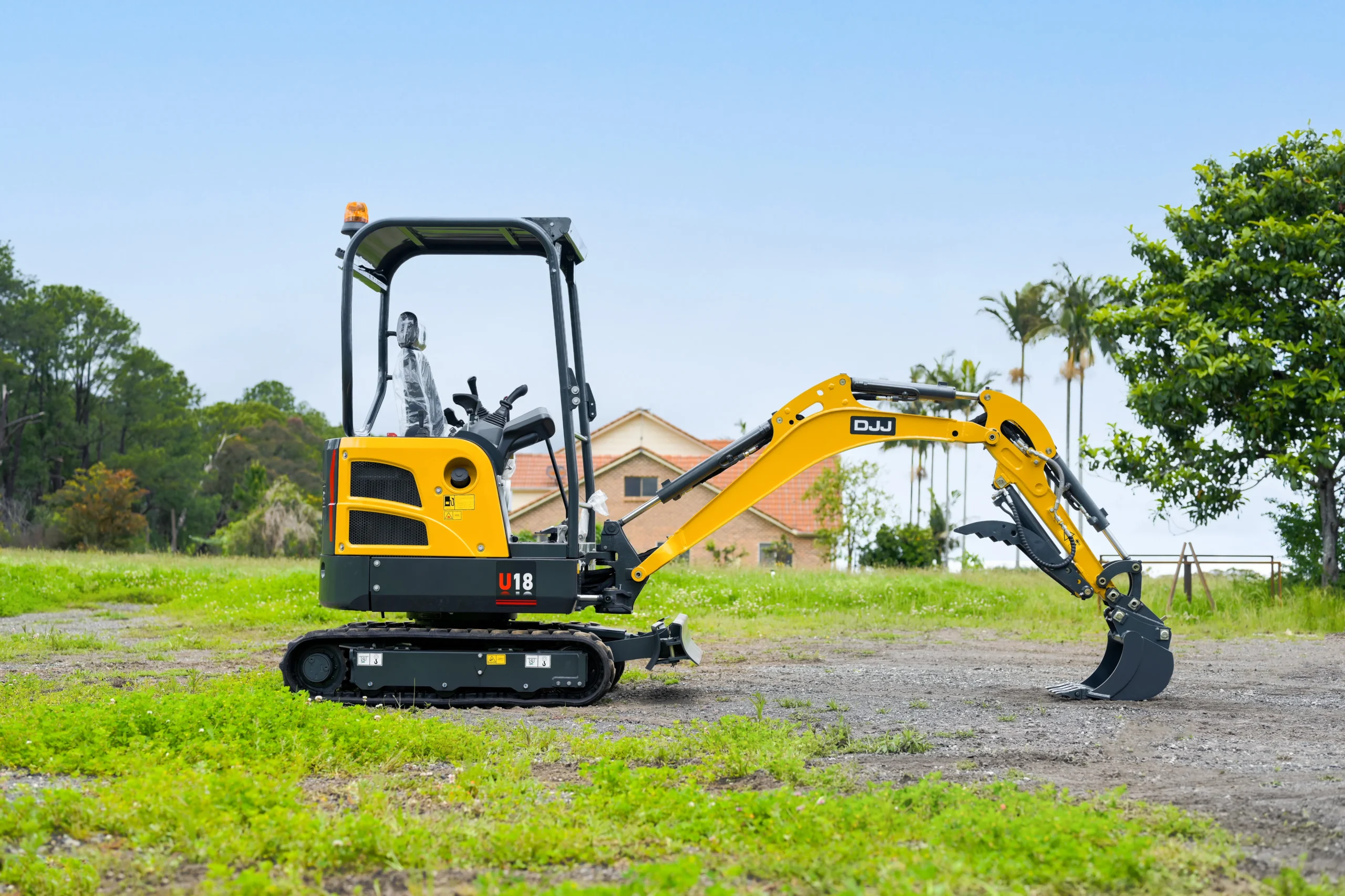
DJJ Equipment sells four Yuchai mini excavators from 1.0 to 5.7 tonnes: the E12 and YC10 at 1.0 tonne, the U18 at 1.8 tonnes and the YC60 at 5.7 tonnes. Prices are quoted on request, and the warranty for each machine is listed on its product page.
Midi and mid-size excavators (5 to 10 tonnes)
Machines of 5 to 10 tonnes dig deeper, lift more and run larger attachments such as hydraulic hammers and big augers, while still moving between sites on a trailer. A new 4 to 6 tonne machine typically costs $50,000 to $130,000, and used 5 tonne machines in dealer listings mostly sit between about $38,000 and $74,500.
The Yuchai YC60 sits in this class at 5.7 tonnes, with a 42 HP engine, a 0.21 m³ bucket and a digging depth of 3,720 mm.
Around 8 tonnes, new prices are mostly quoted to order. Used 8 tonne excavators typically list at about $98,500, with most between $82,000 and $109,000, and hours, attachments and condition make the biggest difference.
Large excavators (13 tonnes and over)
Large excavators are bought by civil contractors, quarries and mines, and new machines are almost always priced by quote. Used prices give a clearer picture: a typical 13 tonne machine lists at about $114,000, a 20 tonne at about $160,000 and machines of 40 tonnes and over at about $280,000.
The 20 tonne class shows how wide used prices can be, from about $89,500 to $198,000 for most listings. Age, hours, service history, brand and extras such as a tilt hitch or GPS machine control all change the price.
New or used: what you get for the money
A new machine comes with a full warranty, known hours and current emissions and safety features. A used machine costs less up front but carries more risk, and the cheapest listing is not always the best value. Before buying a used excavator, check:
- Hours on the meter, and whether they match the wear on the pins, bushes, pedals and seat
- The undercarriage: track tension and wear on the sprockets, rollers and idlers, which are costly to replace
- The hydraulics: leaks, slow or jerky movement and patched hoses
- Service records, and when the engine and hydraulic oils were last changed
- Cracks or repair welds on the boom, arm and bucket
- Whether any warranty applies, and who can service the machine near you
Have a mechanic inspect an older machine before you pay, and run it under load: dig, slew and track, so you can see how it behaves when it's working.
Costs on top of the purchase price
The price on the listing is only the start of the budget. Plan for these costs as well.
| Cost | What to allow for |
|---|---|
| Buckets and quick hitch | A trenching bucket, a digging bucket and a mud bucket cover most jobs; a hydraulic quick hitch makes changing them faster |
| Other attachments | Augers, rippers, grapples and hammers, priced by the size of the machine |
| Transport | A plant trailer and a vehicle rated to tow it, or a float every time the machine moves |
| Registration | Conditional registration if the machine will travel on public roads, depending on your state |
| Insurance | Cover for theft, damage and public liability |
| Servicing and repairs | Regular services by the hour meter, plus tracks, pins and bushes as they wear |
| Fuel | Small machines use a few litres an hour; larger machines use far more |
Attachments can add a lot to the total, and the types of excavator attachments and how to match them to your machine help you choose only the tools your work needs.
Hire or buy a mini excavator?
Hiring makes sense when you need a machine for a few days or weeks a year. Once you use one regularly, owning usually costs less. A simple example shows where the line sits, using assumed figures rather than quotes.
| Days used a year | Hire cost at $300 a day | Yearly cost to own |
|---|---|---|
| 40 days | $12,000 | About $16,500 |
| 60 days | $18,000 | About $16,500 |
| 100 days | $30,000 | About $16,500 |
The example assumes a $45,000 machine financed over five years at 8%, about $912 a month, plus around $5,500 a year for servicing, insurance and registration. Transport and fuel are left out because you pay them either way. On these figures, owning costs less from about 55 days a year, and at the end of the loan you still own a machine with resale value.
DJJ sells excavators rather than hiring them out. Customers in Brisbane and Sydney describe how the decision worked out for them in whether buying a mini excavator is worth it.
Paying for an excavator: finance and GST
Most businesses spread the cost through equipment finance. A chattel mortgage lets the business own the machine from day one while paying it off, and the repayments depend on the price, deposit, term, interest rate and any balloon payment at the end.
As an illustration, $45,000 over five years at 8% with no deposit or balloon works out at about $912 a month, or around $210 a week. Used machines often attract higher rates, and a different term or deposit changes the figure, so treat it as a guide, not a quote.
If your business is registered for GST, you can generally claim the GST included in the price as a credit, which is about $4,091 on a $45,000 GST-inclusive machine. Depreciation and any instant asset write-off depend on current ATO rules and your business, so check with your accountant before you buy. DJJ offers equipment finance through its finance partner, subject to approval.
Importing an excavator yourself
Buying a machine overseas can look cheaper, but the landed cost is higher than the price on the listing.
- GST of 10% applies to the value of the taxable importation, which includes the customs value, any duty and the cost of shipping and insurance.
- Customs duty depends on the machine's tariff classification and where it was made. Machines from a country with a free trade agreement with Australia can qualify for a lower or zero rate with proof of origin.
- Used machinery must arrive free of soil, seeds and plant material. It is inspected on arrival, and a contaminated machine is cleaned at the importer's cost or, if heavily contaminated, shipped out again.
- Customs broker fees, port charges and transport from the port add to the bill.
- There is no local dealer warranty, and parts and service can be hard to find.
For small machines these costs take a large share of the price, which is why importing usually makes more sense for large excavators than for minis.
Excavator prices in Australia run from about $13,000 for an entry-level mini to well over $250,000 for a large used machine, and the best value comes from matching the size and condition to the work, then budgeting for attachments, transport and servicing. DJJ sells Yuchai mini excavators from its Silverwater, Meadowbrook and Bayswater branches, each with a workshop and parts held for common repairs. Call 1800 355 388 or send the form below for a quote.