Stacker
Lithium powered pallet stackers from 0.8 to 2 tonnes in walkie, platform and ride on layouts. Filter by lift height and operator position for your storage setup.
Where Stackers Work Best
Choose where the machine will work and the list updates to match.
11 Products
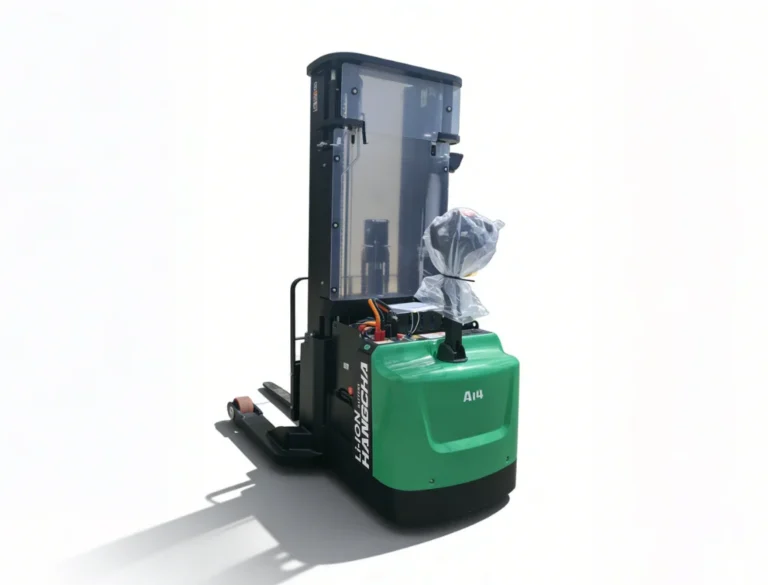
A Series Reach Stacker (Warehouse Stacker) 1.36 t
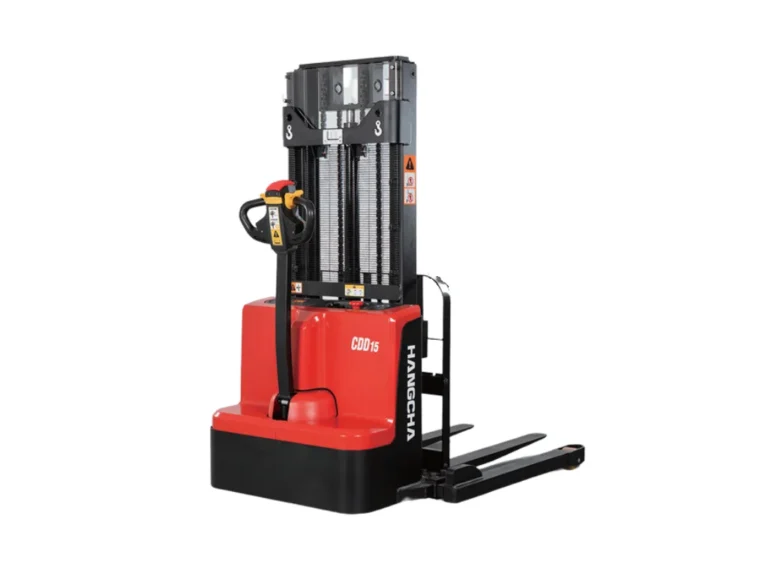
WS Series Pallet Stacker 1.2-1.5 t
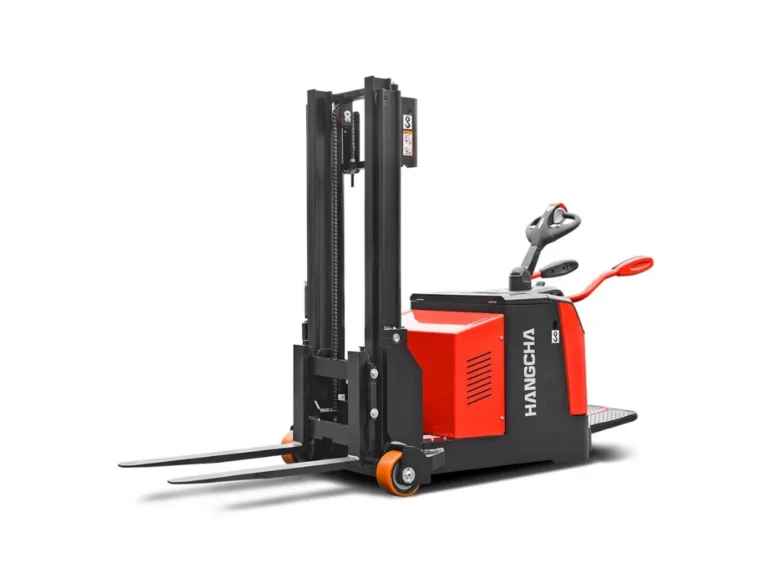
A Series Counterbalanced Pallet Stacker 0.8-2 t
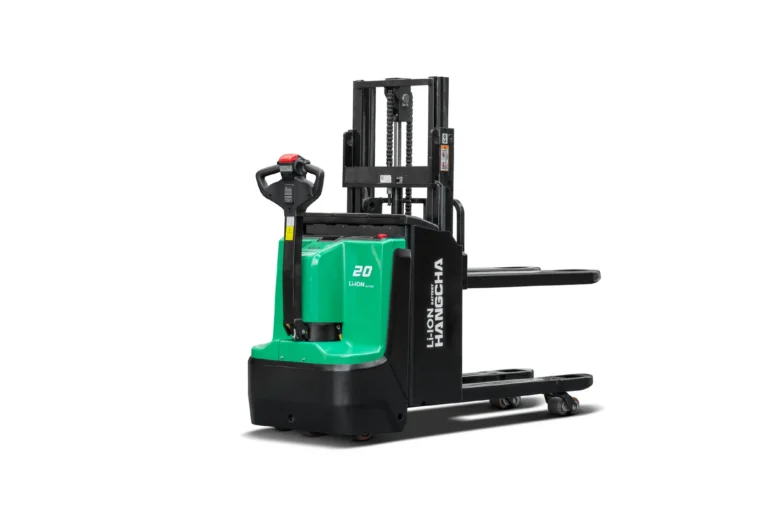
X Series Double Pallet Stacker - Double Stacker 2 t
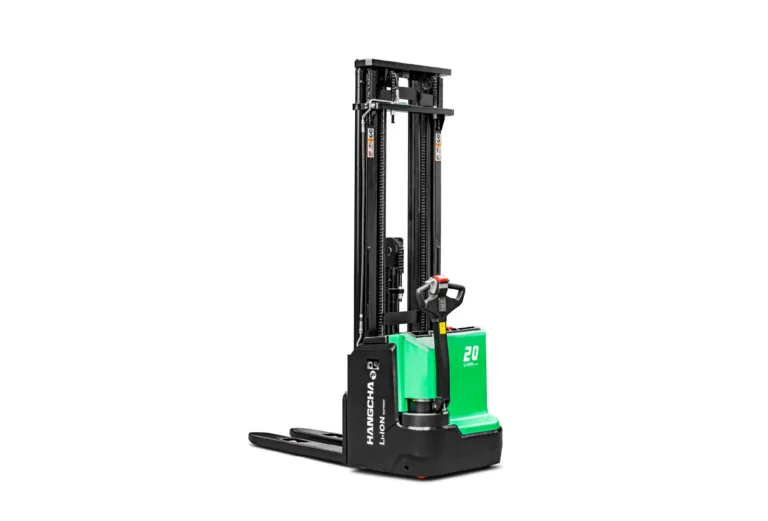
X Series Pallet Stacker 1.2-2 t
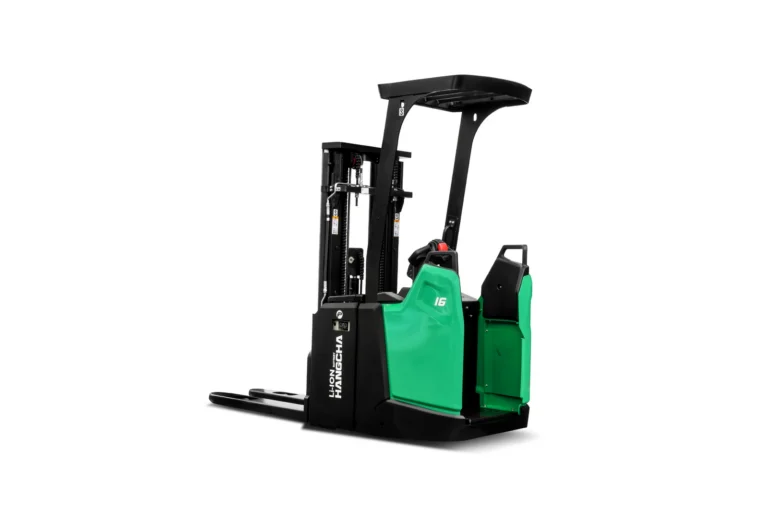
X Series Rider Pallet Stacker 1.4-1.6 t
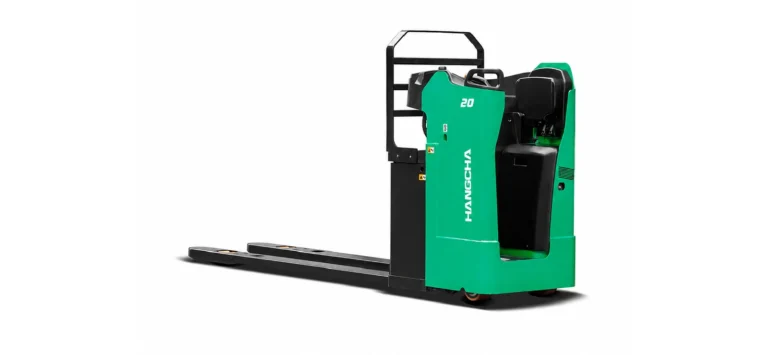
XA Series Double Pallet Stacker - Double Deck 2 t
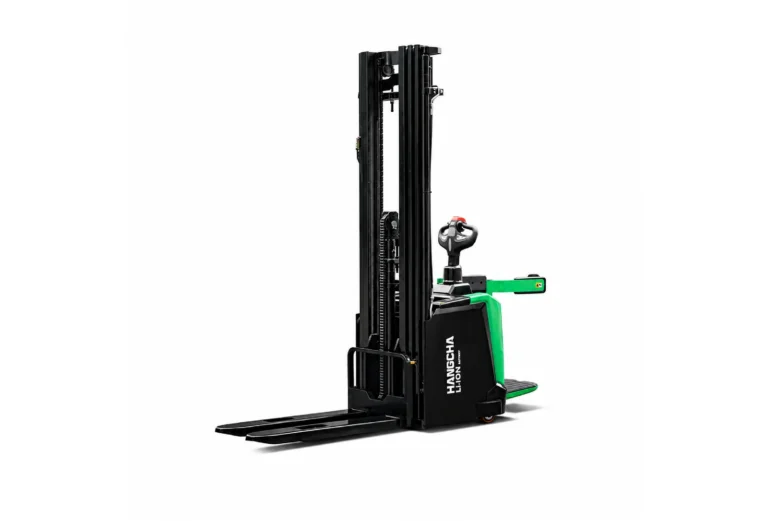
XA Series Pallet Stacker 1.2-2 t
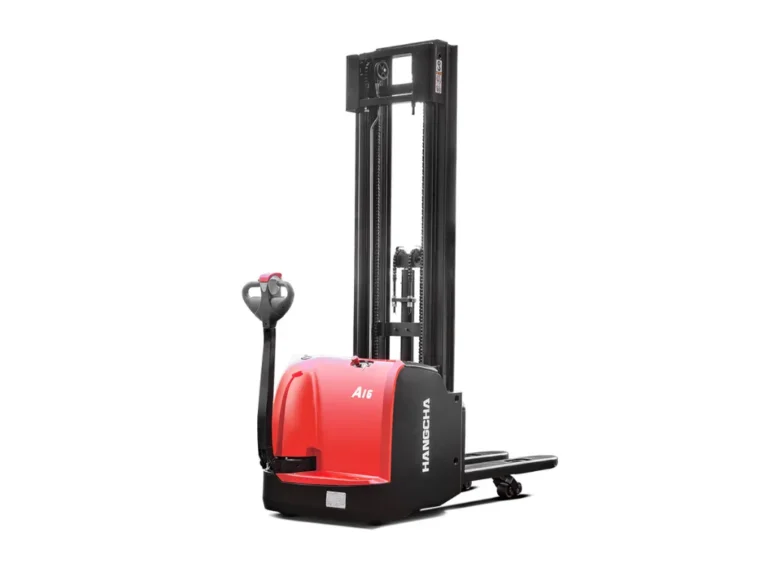
X Series Initial-Lift Pallet Stacker - Initial Lift 1.2-1.6 t
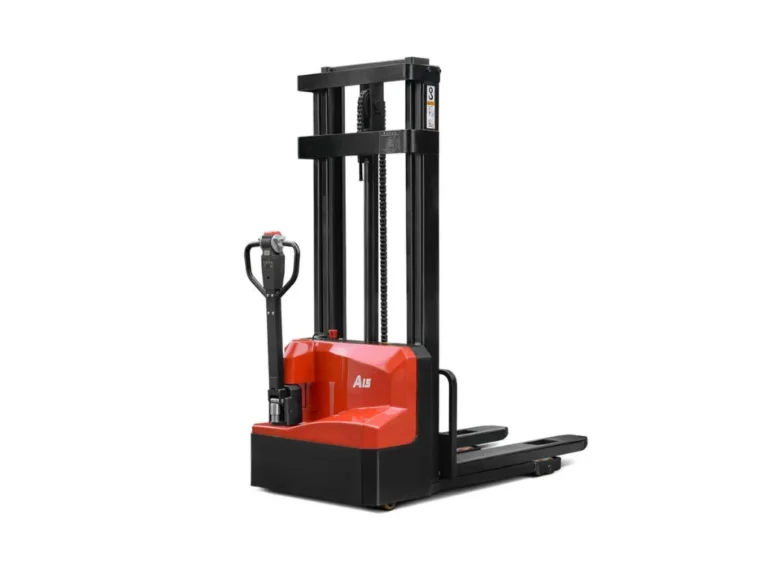
XA Series Mini Pallet Stacker 1.2-1.5 t
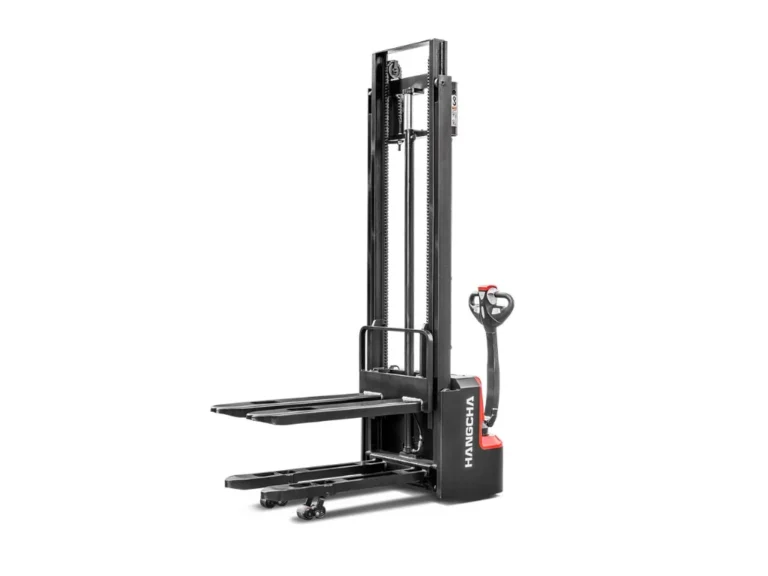
XA Series Mini Pallet Stacker - Energy Recovery 1.2-1.5 t
Walkie Stacker for Sale: Choosing an Electric Pallet Stacker
A walkie stacker is a walk-behind electric pallet stacker for sites that need to lift pallets onto racking without a ride-on forklift. You steer it from a tiller and lift on a mast, so it works in much narrower aisles than a counterbalance forklift. It suits storerooms, retail backrooms, workshops and small distribution centres that move a moderate number of pallets over short runs on smooth concrete.
DJJ Equipment sells 11 Hangcha walkie and ride-on pallet stackers, rated from 0.8 to 2 t, with maximum lift heights from 2.01 m to 6 m. Every model is available with a lithium-ion battery, and three also come with lead-acid. DJJ is an authorised Australian dealer for Hangcha forklifts and warehouse equipment.
Walkie Stackers in the DJJ Range
The range splits into six layouts. The list below groups each model by how it carries the pallet, with capacity and maximum lift taken from each product's spec table.
- Legs-under-forks stacker: WS Series, XA Series, X Series, XA Series Mini, XA Series Mini Energy Recovery, 1.2-2 t, maximum lift 3.6-6 m
- Walkie reach stacker: A Series Reach Stacker, 1.36 t, maximum lift 5.5 m
- Counterbalanced stacker: A Series Counterbalanced Pallet Stacker, 0.8-2 t, maximum lift 5.5 m
- Initial-lift stacker: X Series Initial-Lift Pallet Stacker, 1.2-1.6 t, plus 2 t on the initial lift, maximum lift 6 m
- Double pallet stacker: X Series and XA Series Double Pallet Stackers, 2 t, maximum lift 2.01-2.905 m
- Rider stacker: X Series Rider Pallet Stacker, 1.4-1.6 t, maximum lift 6 m
The legs-under-forks models cover the widest spread of capacities and lift heights. The other layouts each solve one specific problem: closed-bottom pallets, two-pallet transfers or longer travel distances.
How to Choose the Right Walkie Stacker
Start with the heaviest pallet that goes onto your top beam, not the headline capacity. The X Series Pallet Stacker CDD14 is rated at 1,400 kg but holds 450 kg at its 6,000 mm maximum lift. The WS Series CDD15 drops from 1,500 kg to 300 kg at 4,000 mm. If heavy pallets must go high, compare each model's load chart at that height before you compare quotes.
Your pallet base decides the layout. A legs-under-forks stacker needs its load wheels to drop between the bottom boards, which limits entry on double-decked Australian pool pallets. For closed-bottom pallets, skids or loads picked from any side, the A Series Reach Stacker or the counterbalanced stacker avoids that problem, at the cost of a wider aisle.
Measure the narrowest aisle where the stacker turns into the racking. The legs-under-forks walkie models list stacking aisles from 1,970 mm to about 2,270 mm. The reach stacker starts at 2,337 mm, the rider at 2,655 mm and the counterbalanced stacker at 2,760 mm. Each figure assumes a stated pallet size, usually 1000 x 1200 mm crossways.
Walk-behind models travel at about 5 to 6 km/h laden, which suits short runs between the dock and the racking. Stand-on and rider versions in the X Series reach 8 to 9.5 km/h laden and save the operator a lot of walking on longer runs. Riding can also change the licence position, so check that with your state regulator before you choose.
Lithium suits a stacker that works more than one shift, because you can top it up at breaks. Lead-acid costs less to buy and suits a single shift with one full charge cycle, but it needs a charging area. The WS Series, XA Series and XA Series Double Pallet Stacker are the models offered with either battery.
Walkie stackers run on small polyurethane wheels and need smooth, level, hard floors. Laden gradeability across the range is about 5 to 10%, so steep dock ramps, rough slabs and gravel are forklift work. If your pallets never leave floor level, an electric pallet truck does the job for less.
Before you choose, check:
- Your heaviest pallet and the height of your top beam
- The model's capacity at that height on its load chart
- Your pallet type and which sides a stacker can enter
- The narrowest aisle and the racking clearance
- Walk-behind, stand-on or rider operation for your travel distance
- Shifts per day, battery type and where you will charge
- Floor surface, slopes and any ramps
Buy or Hire a Walkie Stacker
Buying suits steady daily use over several years. Hire suits a seasonal peak, a project or a trial before you commit. Pallet stackers are part of DJJ's forklift hire range on selected models, with minimum terms that depend on the machine and branch. If you buy, finance is available through our finance partner, with no-cost, obligation-free pre-approval, subject to finance approval.
Service, Parts and Delivery
DJJ services Hangcha stackers from workshops at Silverwater NSW, Meadowbrook QLD and Bayswater WA, and each branch holds commonly required parts. After you buy, DJJ Care covers scheduled maintenance, parts replacement and technical help on 1300 646 747. We deliver Australia wide, with delivery quoted separately and coverage outside our branch areas confirmed at quote stage.
Tell us your heaviest pallet, top beam height, narrowest aisle and how far the stacker travels each shift. Our team will suggest walkie stackers to buy or hire, or you can call 1800 355 388.
Frequently Asked Questions
Quick answers before you speak with the team.
Do I need a forklift licence to operate a walkie stacker?
No LF licence is needed for a pedestrian-operated walkie stacker, but operators still need training and instruction, and your business must manage the risk under WHS law. Ride-on stackers that lift 900 mm or more fall within the forklift truck definition and need an LF licence, so confirm with your state regulator.
How narrow an aisle can a walkie reach stacker work in?
The A Series walkie reach stacker, rated 1.36 t with lift up to 5.5 m, lists a minimum aisle from 2,337 mm on its product page. Your real aisle depends on pallet size, racking and how the load is turned, so send us your layout before choosing.
How high can these pallet stackers lift a load?
The tallest masts in the range reach 6 m on the X, XA and rider stackers, 5.5 m on the walkie reach and counterbalanced stackers, and 3.6 m on the mini stackers. Capacity at the top of the mast is lower than the nameplate figure, so check the load chart for your top shelf.
Can a stacker move two pallets at the same time?
Yes, the double pallet stackers in the range are built for two-pallet transport. The X Series and XA Series double pallet stackers are rated at 2 t, with lift heights of 2.905 m and 2.01 m, so they are aimed at moving pallets rather than stacking high.
How much does a walkie stacker cost to buy or hire?
Product pages do not show prices, because the price depends on the type and the battery: a mini or pedestrian stacker costs less than a walkie reach stacker, and lithium costs more upfront than lead-acid but needs less battery care. Pallet stackers are also among the machines DJJ hires on selected models, with minimum terms depending on the machine and branch. Any running stacker deals, with prices and conditions, are on our current offers page.
Should I buy a walkie stacker or a forklift?
Buy a walkie stacker if you move a modest number of pallets over short runs on smooth floors: it is walked with, lifts on a mast, usually costs less to buy and run, and needs operator training but no LF licence. Buy a forklift if you need heavier loads, longer runs, ramps or yard work, since it is ridden and faster but needs an LF licence.
Next Step
Tell Us About Your Application
Share what you need to move, how high it needs to lift and where it will operate. Our team can help narrow suitable models for purchase or hire.
Buy & Hire · 1800 355 388
Service · 1300 646 747