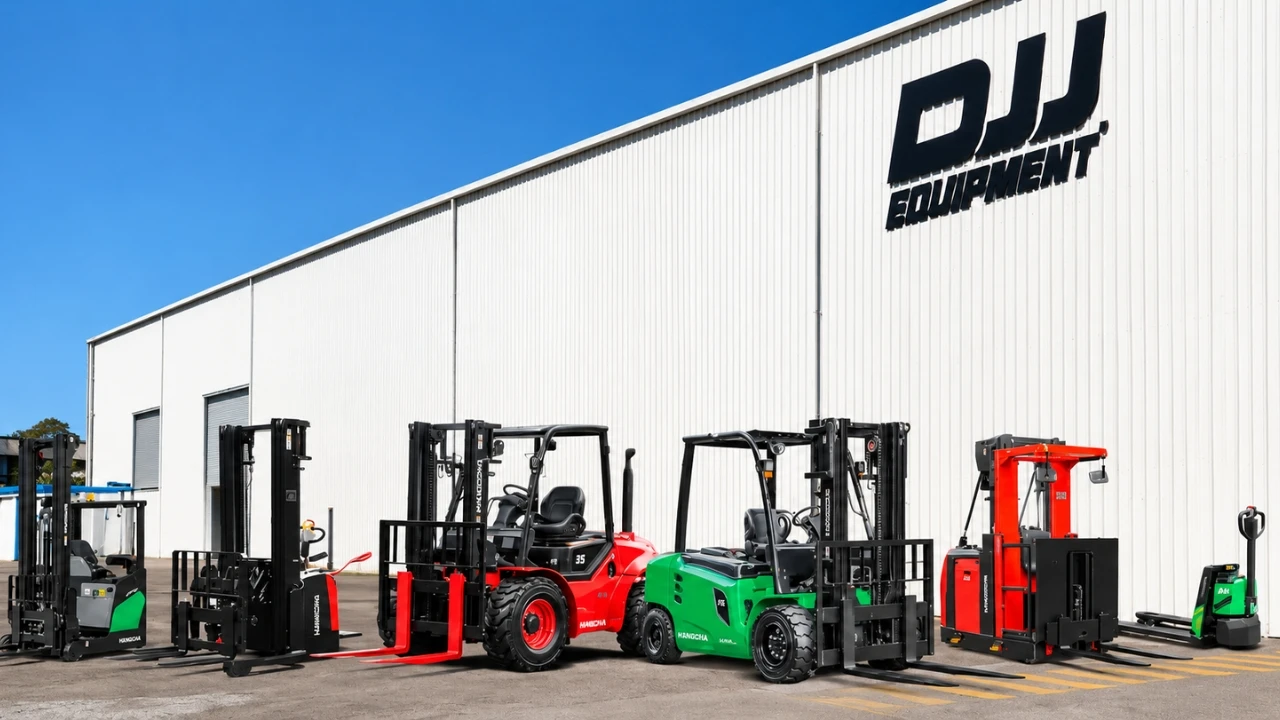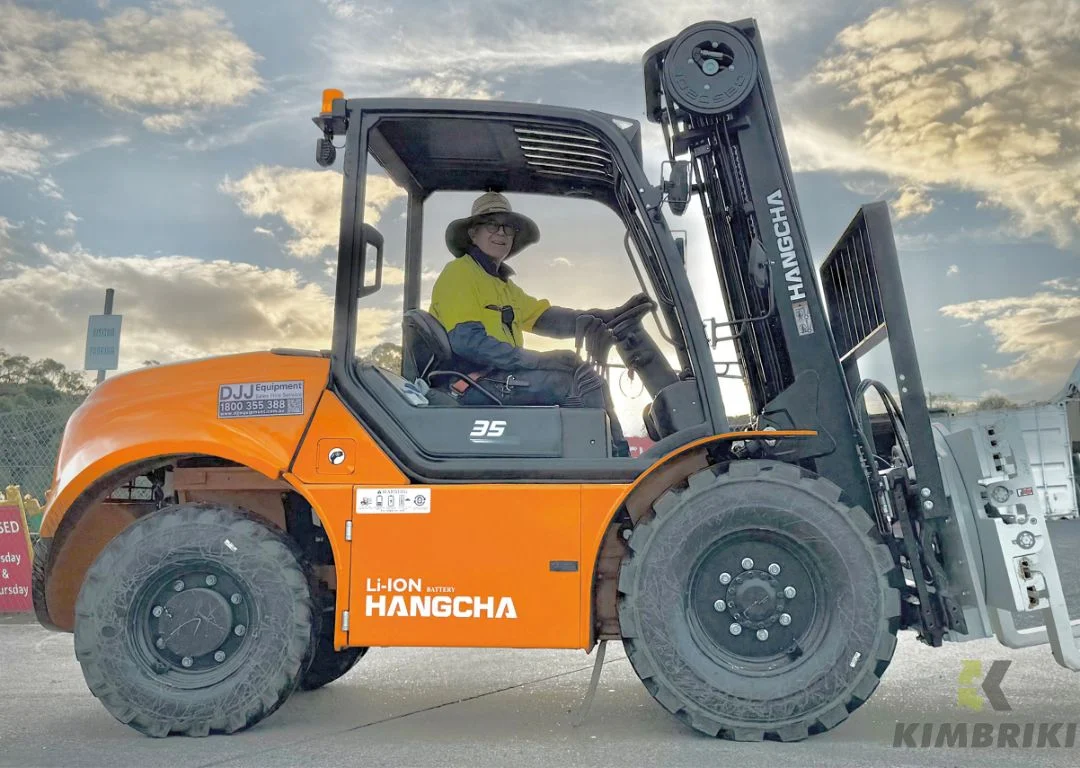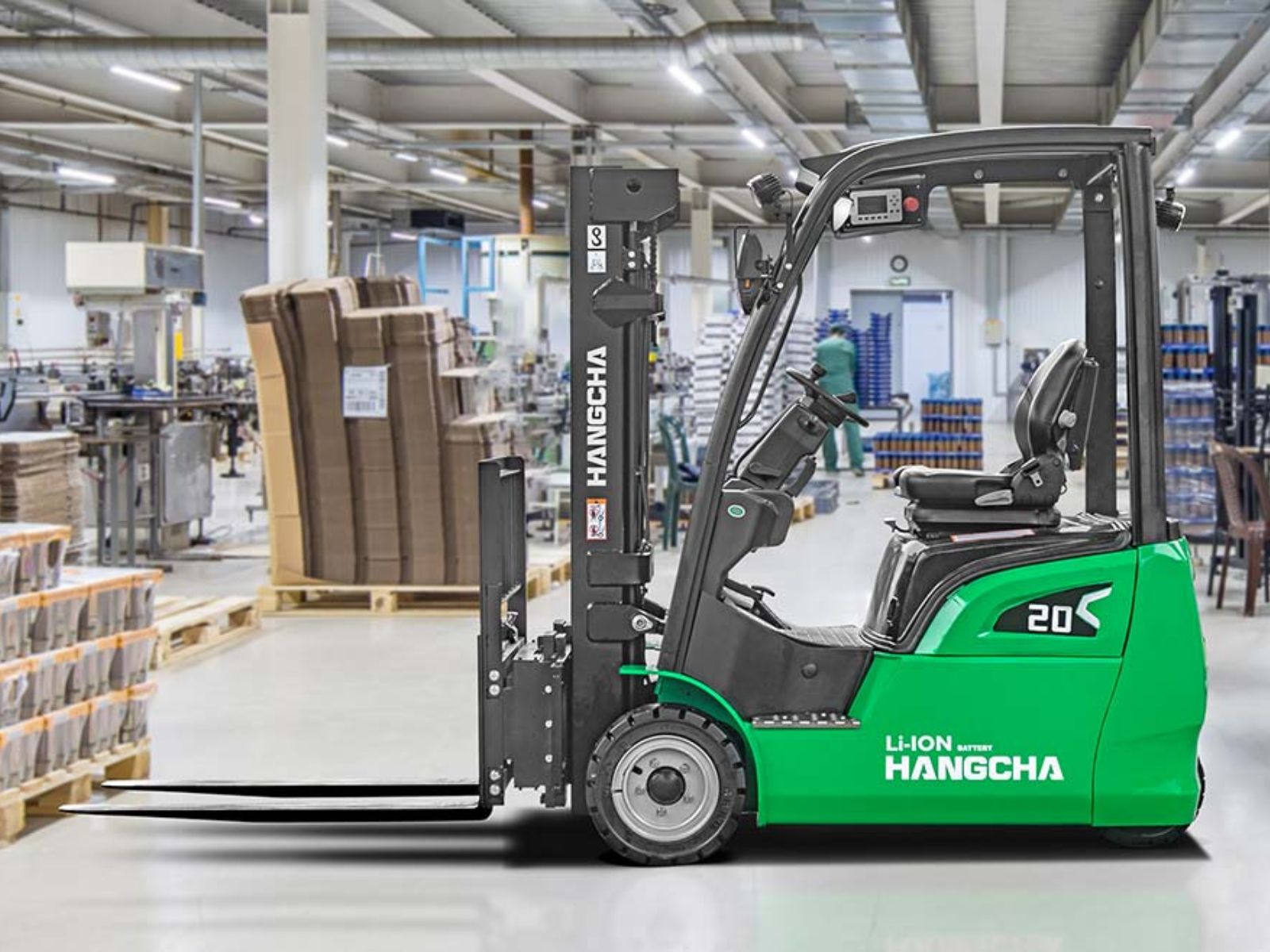
A new 2.5-3 t electric counterbalance forklift typically costs from the low $20,000s to about $65,000 in Australia, based on market prices as at October 2026. Small 3-wheel units sit lower and 4-5 t machines well above. Where a quote lands depends on capacity, lift height, battery type, brand and what the price includes, such as the charger and delivery.
Typical new electric forklift prices in Australia
New electric forklift prices in Australia cover a wide band, because the same capacity can be sold as a value-priced import or an established brand, with or without the battery and charger. The table pulls together indicative prices from Australian dealer listings and buying guides as at October 2026, sorted by machine type, then capacity, then battery. Sources don't all state GST the same way, so the last column shows how they quoted it.
| Machine type | Capacity | Battery | Typical new price (indicative, October 2026) | GST basis in sources |
|---|---|---|---|---|
| 3-wheel counterbalance | 1.5-1.8 t | Varies by model | About $22,000 to $50,000 | Mixed: listings ex GST, guides inc. GST |
| 4-wheel counterbalance | 2.5-3 t | Lead-acid | About $30,000 to $45,000 | Not stated |
| 4-wheel counterbalance | 2.5-3 t | Lithium-ion | About $35,000 to $65,000 in buying guides; promotional listings from the low $20,000s | Mixed |
| 4-wheel counterbalance | 4-5 t | Varies by model | About $70,000 to $95,000 or more | Mixed |
| Reach truck | 1.4-2.5 t | Varies by model | About $34,000 to $63,000 | Mostly ex GST |
Two things explain most of the spread. Promotional prices on value-priced imported brands sit at the bottom of each band, while established brands, bigger batteries, taller masts and included chargers push a quote to the top. If one quote looks far cheaper than the rest, compare the battery capacity, charger, mast and warranty before you compare the price.
Lithium-ion generally costs more than lead-acid when you compare otherwise similar trucks. Promotional pricing, brand tier and what's included can outweigh that difference, which is why some lithium offers sit below the lead-acid prices of other brands. Used electric forklifts are listed at roughly $12,000 to $30,000, depending on hours, service history and battery condition, but this guide sticks to new machines, where the spec and warranty are known.
What drives the price of a new electric forklift
The price of a new electric forklift comes down mostly to how much it lifts, how high it lifts and which battery it runs on. Brand and attachments add to that.
Capacity and load centre
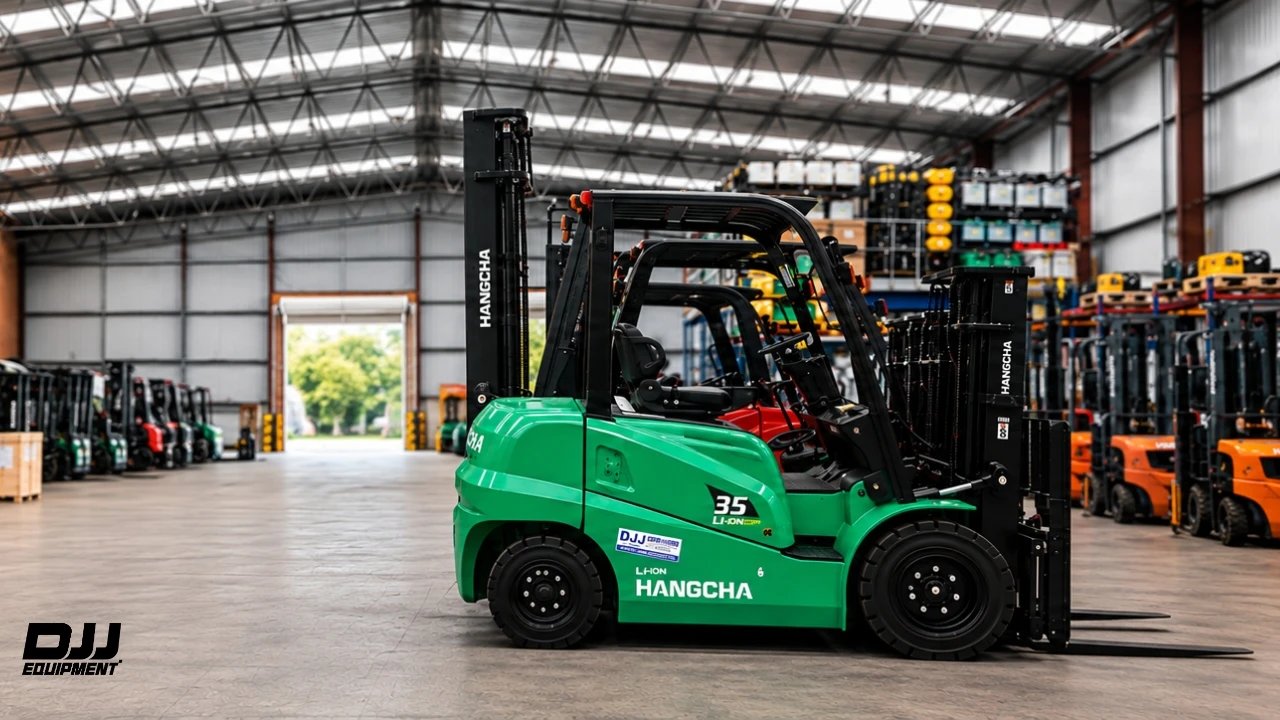
Rated capacity is the first thing that sets the price, and across our range of electric forklifts for sale the price climbs with capacity. A rated capacity only holds at the stated load centre and lift height, though. Australian ratings commonly use a 600 mm load centre, while many imported spec sheets quote 500 mm. Compare two quotes at the same load centre before you compare the prices.
Lift height and mast
A taller mast costs more than a standard one, and it changes what the forklift can lift safely at height. Residual capacity at full lift is lower than the nameplate figure. If you stack high, ask for the load chart at your top beam height, not just the headline capacity. Paying for a mast taller than your racking needs adds cost for no gain.
Battery: lithium-ion or lead-acid
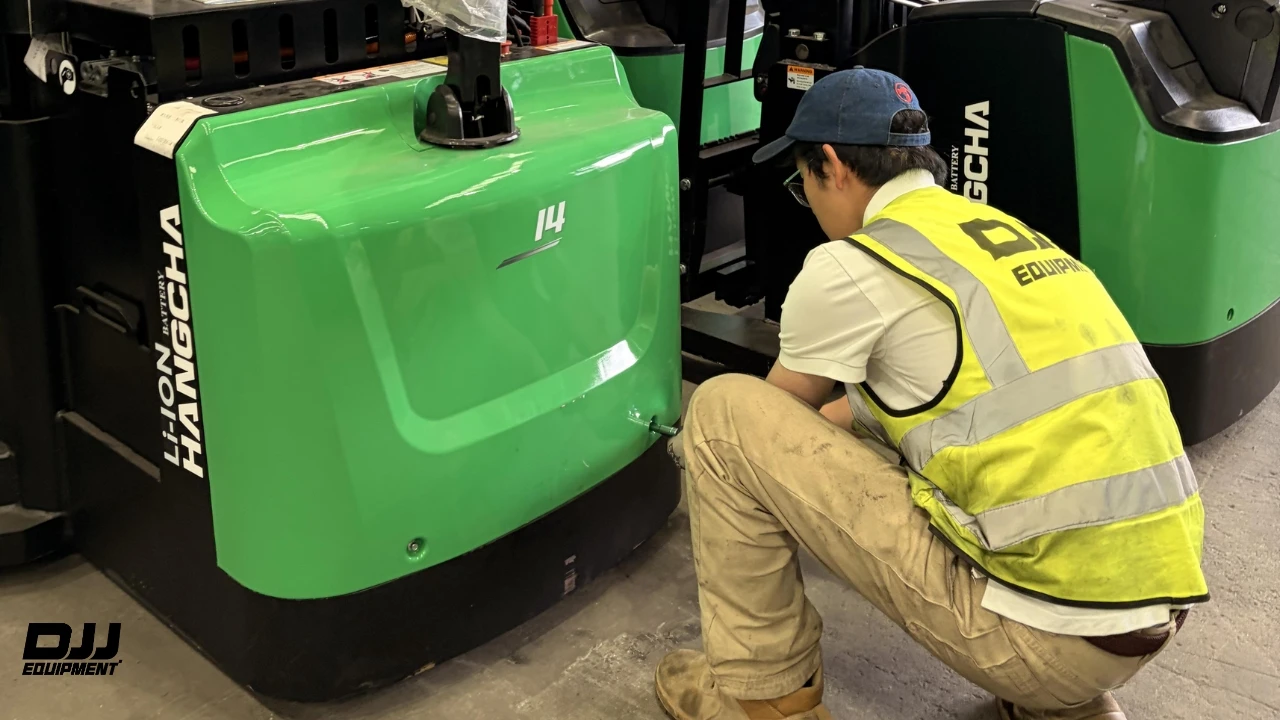
Lithium-ion costs more upfront on a like-for-like truck. What you get for that is opportunity charging: you top the battery up at breaks instead of swapping batteries, which matters most if the forklift runs more than one shift. Lithium still needs the correct charger and a working battery management system. Lead-acid is the cheaper entry point for a single shift with a full overnight charge, but it needs watering, a charging area and full charge cycles.
Most of the Hangcha X Series 4-wheel range is offered with either battery, so you can price both on one quote. Whichever you choose, the battery must meet the manufacturer's specification, including the minimum battery weight on the data plate. The battery is part of the counterweight, so a lighter, cheaper pack affects stability as well as run time.
Attachments and specialist builds
Attachments such as a side shifter, fork positioner or clamp add to the price, and they can reduce usable capacity, so confirm compatibility and the derated capacity first. Specialist builds such as cold store or hazardous-area versions cost more again. An electric forklift isn't automatically indoor-only or outdoor-rated either, so check the model's rating before you pay for features you don't need.
What an electric forklift quote should include
Two electric forklift quotes can look far apart simply because one includes items the other leaves out. Before you compare on price, line them up on these points:
- Battery and charger: whether both are in the price, which battery capacity, and whether the charger suits your power supply. Where the charger is quoted separately, buying guides put it at roughly $5,000 to $15,000. Some chargers need three-phase power, which can mean electrical work at your site.
- Delivery: we quote delivery and collection separately, and coverage outside our branch areas is confirmed at quote stage.
- Mast and attachments: the exact lift height, free lift and any side shift or fork positioner.
- Pre-delivery inspection: every forklift we deliver is inspected, function-tested and cleaned first. Ask any supplier what their inspection covers.
- Warranty: the term and the hour limit. Our Hangcha XA Series lithium forklift, for example, carries a 24 month / 2,000 hour warranty. Check the battery warranty separately for the exact model.
- GST: business prices are usually quoted +GST, but listings and guides vary, so put every quote on the same basis.
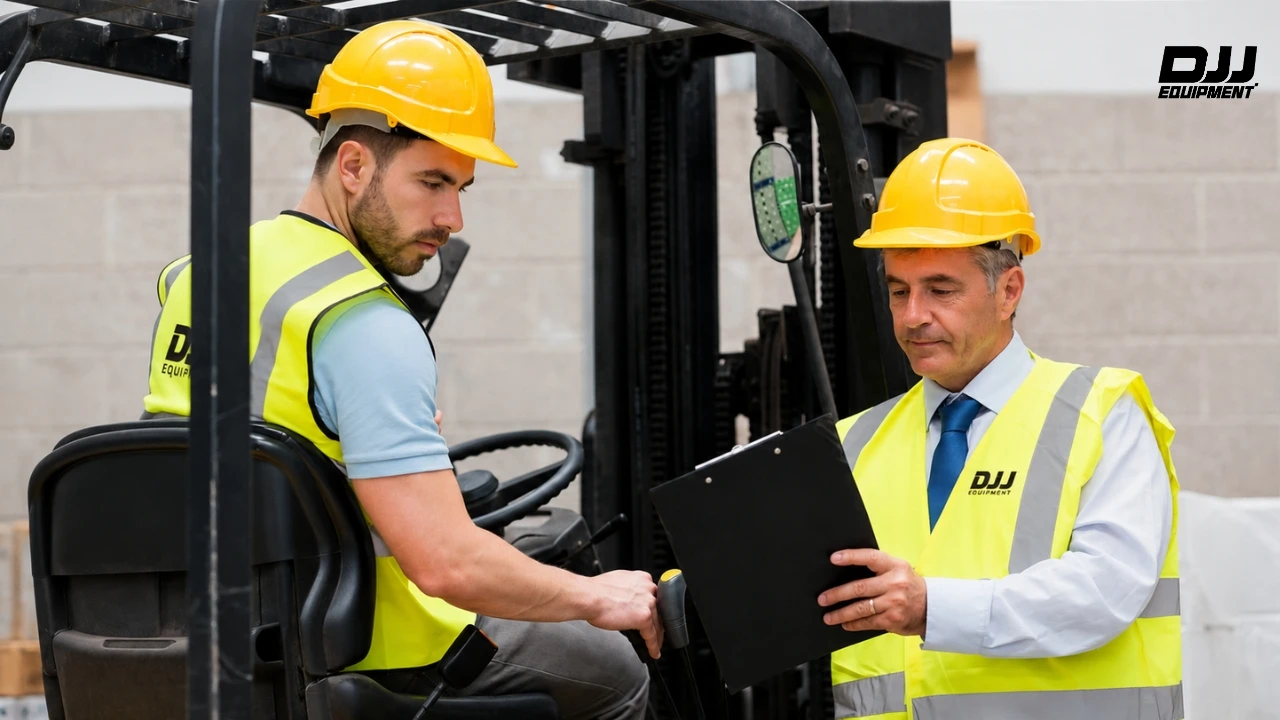
Operator licensing isn't part of any forklift quote, but it's part of the cost of running one. A counterbalance forklift needs an operator with a High Risk Work Licence class LF, trained through a Registered Training Organisation and issued by your state regulator, such as SafeWork NSW, WorkSafe Queensland or WorkSafe WA.
How much does an electric forklift cost to run?
An electric forklift usually costs less per shift to run than an LPG or diesel forklift, which offsets part of its higher purchase price over time. Our estimate, based on Sydney figures, puts charging at about $7 a shift against about $40 to $70 a shift for LPG or diesel. On five shifts a week, that's up to about $300 a week back.
That estimate depends on how hard you run the forklift and what you pay for power and fuel. If your forklift only works a few hours a week, the saving shrinks and the payback on a lithium forklift takes longer. In that case a lead-acid battery, or hire, may be the cheaper answer.
Energy isn't the only running cost. An electric forklift still needs scheduled servicing, tyres, and brake and hydraulic checks. A lead-acid battery will eventually need replacing, and buying guides put a replacement at roughly $6,000 to $12,000, so include it in your budget if you choose lead-acid. We keep commonly required parts at our Sydney, Brisbane and Perth branches, with workshops at all three.
Example: pricing an electric forklift for a two-shift warehouse
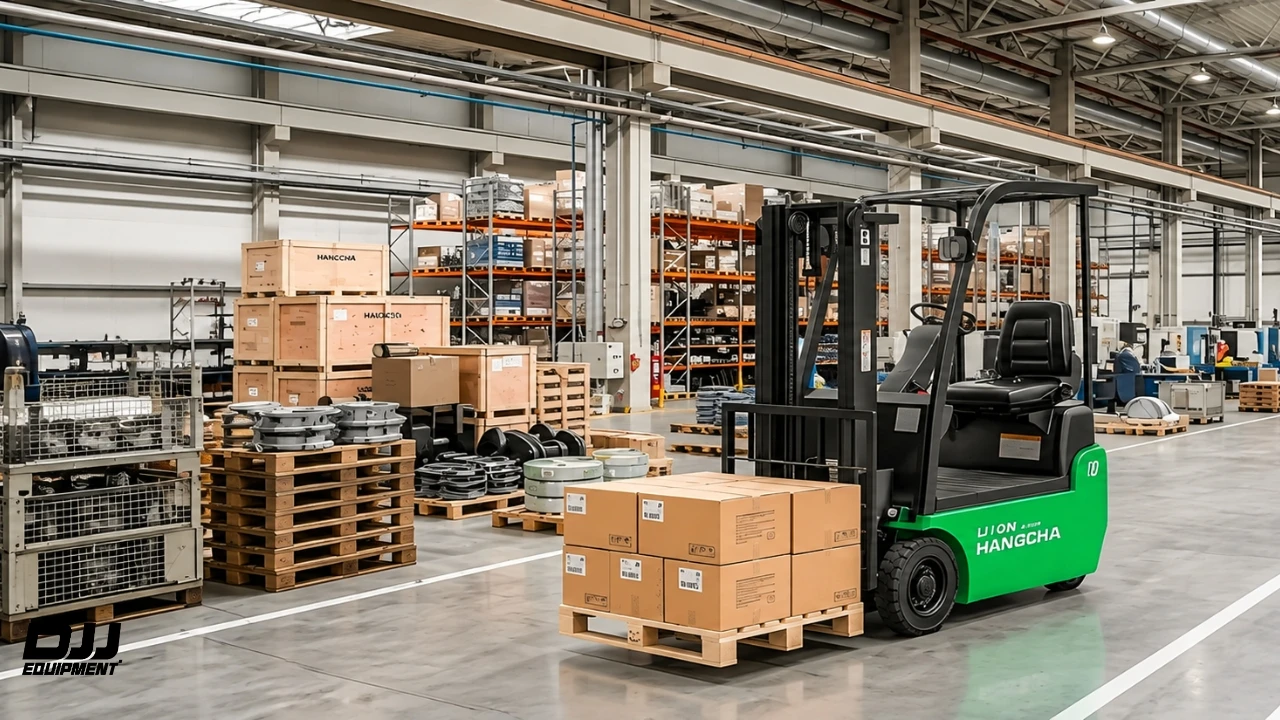
A worked example shows how these factors combine into one quote. Say you move pallets weighing up to 1,500 kg, stack them to 4.5 m and run two shifts a day on a smooth concrete floor.
- Capacity: a 2.5-3 t counterbalance gives headroom over 1,500 kg, but the deciding figure is the residual capacity at 4.5 m on the model's load chart, at a 600 mm load centre.
- Mast: one that reaches 4.5 m with that residual capacity. A taller mast adds cost without helping.
- Battery: two shifts a day suits lithium, because you can top it up at breaks. Lead-acid would need a second battery or a long charge between shifts.
- Price band: a 2.5-3 t lithium counterbalance falls in the market band of about $35,000 to $65,000, or below it on a promotional unit if that unit matches your spec.
- Extras to check: whether the charger is included, whether it needs three-phase power, and the delivery cost.
Running costs follow the same logic. The per-shift saving over LPG applies to every shift, so two shifts a day builds the saving twice as fast as one. If the same site ran one short shift a week, lead-acid or hire would likely cost less overall.
Buying, rent to own or hiring an electric forklift
Buying outright, rent to own and hire suit different businesses, and the right choice depends on how long you need the forklift and how you want to pay. The table compares the three.
| Option | How you pay | Suits | Watch out for |
|---|---|---|---|
| Buy outright | Full price upfront, or through finance | Steady use over several years | Capital tied up; servicing and battery care are yours |
| Rent to own | Weekly payments over a term, then ownership | Businesses that want to own without a large upfront payment | Only through current offers, subject to finance approval; payments over the term add up to more than the buy price |
| Hire | Hire charges for the term, machine returned | Seasonal peaks, breakdown cover, projects, uncertain demand | Minimum hire terms depend on the machine and branch; hire rates are subject to annual CPI increases |
If the forklift will work most days for years, buying usually makes more sense. You can spread the cost with forklift finance through our finance partner, and pre-approval is no-cost and obligation-free.
If you'd rather keep cash in the business, rent to own spreads the cost into weekly payments, on the terms of DJJ's current rent to own offers.
If you only need extra capacity for a peak season or a project, forklift hire avoids the purchase altogether.
An electric forklift isn't always the right buy. If your loads are light and your floor is smooth, a walk-behind stacker costs less and needs no LF licence, although operators still need training. If you're replacing an older forklift of any brand, a trade-in reduces what you pay, with its value based on hours, service history, battery or engine condition and demand.
How to get an accurate electric forklift price
An accurate electric forklift price starts with the job, not the machine. Send these details with your enquiry and the quote will match what you actually need:
- The heaviest load you lift and its size, so the load centre can be checked
- Your top lift height, plus any door, container or mezzanine height the forklift must clear
- The floor or ground: smooth concrete, ramps or an unsealed yard
- How many hours a day and shifts a week it will run
- Your site power supply and where you'd charge it
- Any attachment you need, such as a side shifter or fork positioner
With those answers, our team can tell you whether lithium or lead-acid suits your shift pattern, which capacity and mast fit, and whether buying, rent to own or hire makes more sense. If an offer machine fits your job, we'll say so. If it doesn't, we'll quote the model that does.
DJJ Equipment's October Electric Forklift Promotions
If you're planning to purchase a new electric forklift, current promotional offers may help reduce your initial investment.
This October, DJJ Equipment is running forklift promotions with opportunities to explore new lithium electric forklifts through outright purchase and selected rent-to-own arrangements.
Whether you're replacing an older machine or expanding your warehouse fleet, these offers provide an opportunity to invest in equipment that matches your operational requirements and budget.
Promotional pricing, eligible models and purchasing arrangements may vary depending on location and stock availability.
With local operations in Sydney, Brisbane and Perth, DJJ Equipment can help businesses explore suitable forklifts, available purchasing options and after-sales support.
Explore our current forklift promotions or contact the DJJ Equipment team for a tailored quote.
Get a Tailored Electric Forklift Quote From DJJ Equipment
At DJJ Equipment, we help Australian businesses find forklift solutions suited to their workloads, operating environments and budgets.
From new electric forklift sales to maintenance, parts and after-sales support, our teams work to keep your equipment and your operation moving.
Explore our electric forklifts for sale, check our promotions or contact DJJ Equipment on 1800 355 388. You can also send an enquiry with your load weight, lift height, surface and hours a day to sales@djjequipment.com.au, and we'll set out buying, rent to own and hire side by side for your site.