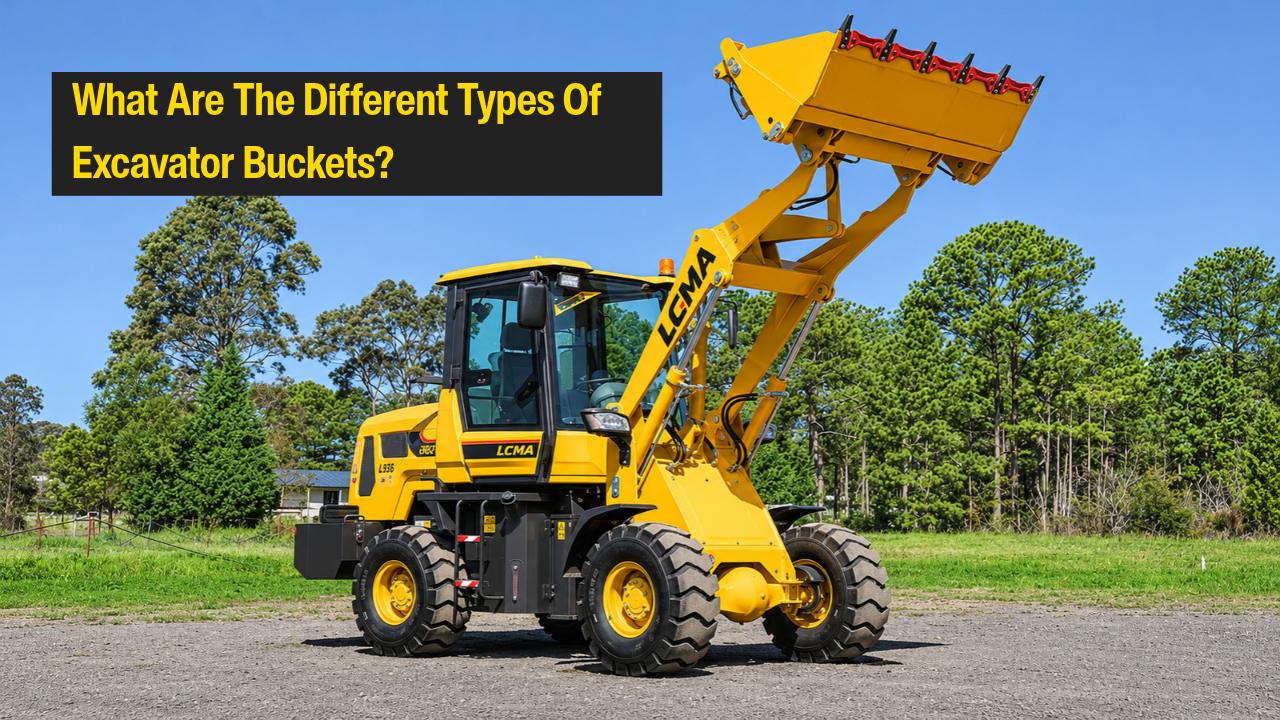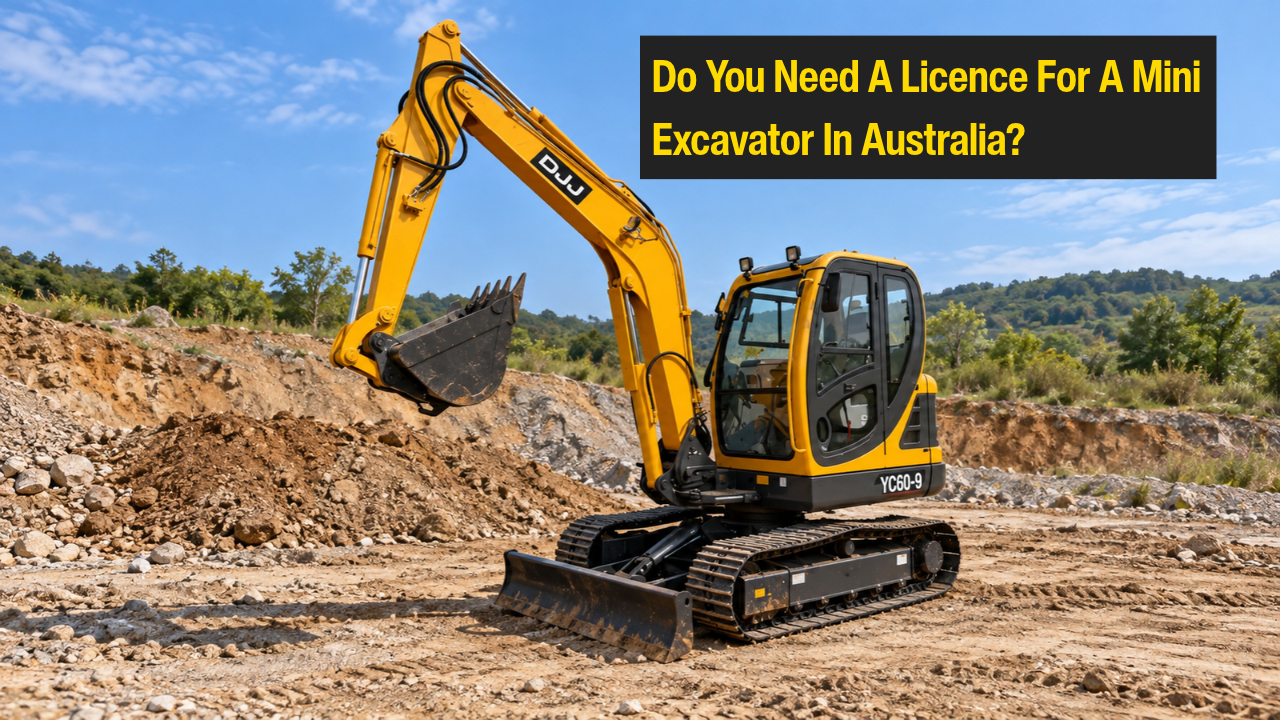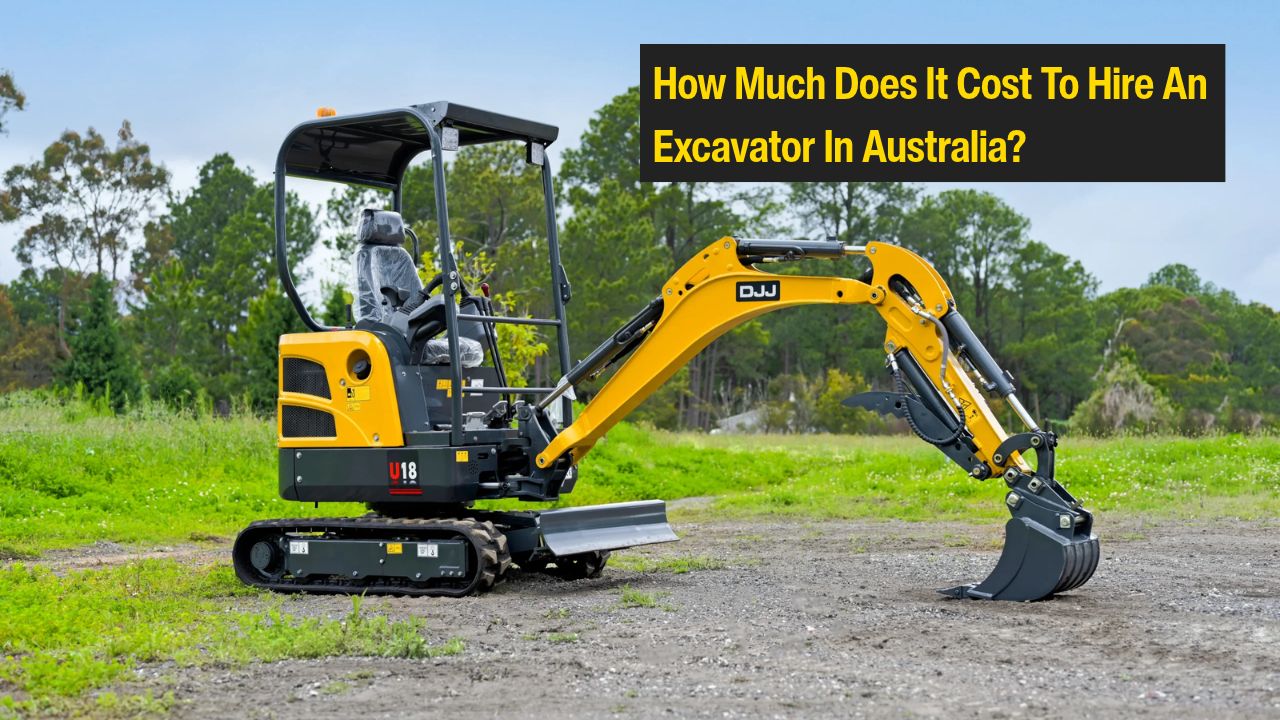
Neither machine is better at everything. An excavator wins when most of the work is below ground level, because it sits still on its tracks while its upper body turns through 360 degrees. A skid steer wins when the job is moving material across the surface and loading it. At almost the same size, the 1,880 kg Yuchai U18 excavator digs to 2,295 mm, while the 1,540 kg Yuchai S35 Pro skid steer carries a 0.29 m³ bucket, almost six times the U18's 0.05 m³ bucket. Pick the machine that matches what fills most of its working hours.
Excavator vs skid steer specs side by side
Put an excavator and a skid steer of similar weight side by side and each one wins on different numbers. The table compares the U18 with the S35 Pro, the closest pair in size that DJJ Equipment sells.
| Specification | Yuchai U18 mini excavator | Yuchai S35 Pro skid steer |
|---|---|---|
| Operating weight | 1,880 kg | 1,540 kg |
| Width | 1,080 mm with tracks retracted, 1,400 mm extended | 959 mm |
| Power | 14.5 kW Yanmar 3TNV76 diesel | 17 kW of electric motors, 21.29 kWh lithium battery |
| Maximum digging depth | 2,295 mm | Works at ground level |
| Reach and height | 4,125 mm reach, 3,620 mm digging height | 1,850 mm dump height, 2,410 mm hinge pin height |
| Bucket | 0.05 m³, 15.5 kN digging force | 0.29 m³, 8 kN breakout force |
| Load rating | No loader rating | 350 kg rated operating capacity, 700 kg tipping load |
| Travel | Tracks, two travel speeds | Wheels, up to 10.5 km/h |
| Warranty | 2 years / 2,000 hours | 5 years / 20,000 hours on the battery, 1 year / 2,000 hours on structural components |
The excavator's strong numbers are depth, reach and digging force. The skid steer's strong numbers are bucket volume, width and travel speed. That split decides most jobs before price comes into it.
What an excavator does better than a skid steer
An excavator does every job below ground level better than a skid steer. While it digs, the tracks stay still and only the upper body turns, so the operator swings each bucket of soil to the spoil heap and straight back to the trench. A skid steer has no rotating body. To dump a load, it has to back out, turn the whole machine and drive to the heap, every single bucket.
Depth is the clearest gap. The U18 digs 2,295 mm deep and reaches 4,125 mm from its centre, which is deep enough for many stormwater, sewer and electrical trenches on a house block. A common question is whether a mini excavator can dig 6 feet (about 1.83 m). The U18 and the 5.7-tonne YC60, which digs to 3,720 mm, can. The 1-tonne E12 and YC10 stop at 1,475 mm and 1,435 mm, so they suit shallow trenches, garden beds and post holes.
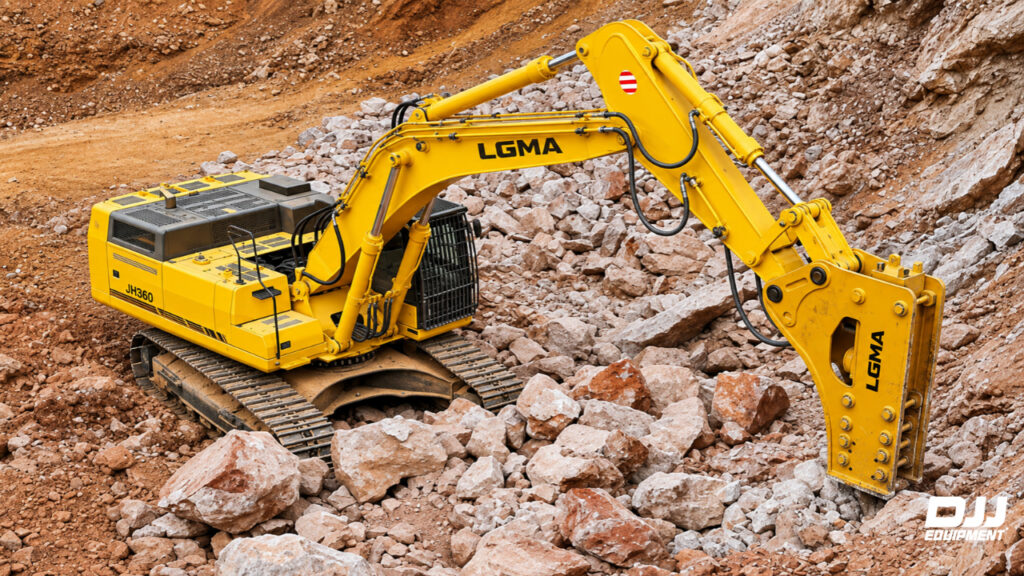
The U18 also has a boom that swings 70 degrees left and 60 degrees right without turning the machine, so it can dig hard against a fence or wall. Swap the bucket for a hydraulic breaker or an auger and the same machine breaks concrete or drills post holes.
What a skid steer does better than an excavator
A skid steer moves material across a site faster than an excavator, because it drives with a full bucket instead of crawling on tracks with a small one. At up to 10.5 km/h, the S35 shuttles gravel, mulch or spoil from a stockpile to where it's needed, then back-drags the surface level on the way.
Loading is the other strength. The S35 dumps at 1,850 mm, which clears a ute tray or the sides of a low tipping trailer. Its 350 kg rated operating capacity is half its 700 kg tipping load, the margin that keeps a skid steer stable when the bucket is raised. Using an excavator to carry material does the reverse: it's slow, wears the tracks and ties up the one machine that can dig.
Attachments change the picture further. The S35's auxiliary hydraulics deliver 20.5 L/min at 33.7 MPa for loading, sweeping and crushing attachments, which is why many contractors treat a skid steer as the site's tool carrier.
Which is better in tight spaces, an excavator or a skid steer?
For narrow access, the smallest mini excavators get through gaps a skid steer can't. The YC10 is 800 mm wide and the E12 is 840 mm, against 959 mm for the S35 Pro. The U18's tracks retract to 1,080 mm for gates and side paths, then extend to 1,400 mm for stability once it's in place.
Ground damage is where the excavator usually wins on finished lawns and paving. A skid steer turns by running one side's wheels faster than the other, so the tyres scrub the surface on every turn. An excavator digs from one spot with its tracks still, and only marks the ground when it travels.
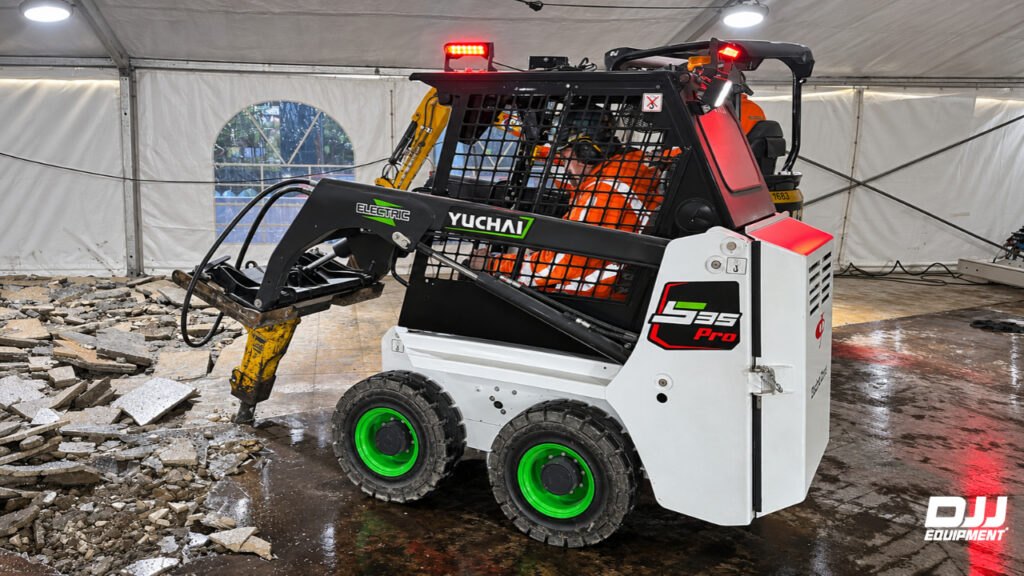
Indoor work is where the skid steer wins outright. Both battery-electric skid steers DJJ sells, the S35 Pro and S35 Max, run on a lithium iron phosphate battery with no engine exhaust, and they stand 1,815 mm to the top of the cab for low doorways. That makes them the machines for cleaning out sheds, basements, nurseries and buildings under renovation where diesel fumes are a problem. Every Yuchai excavator DJJ sells runs on diesel.
Can a skid steer do an excavator's job?
A skid steer can dig, but only shallow. It cuts and scrapes with its bucket at ground level, which suits stripping topsoil, levelling a pad or digging out a garden bed. A narrow pipe trench is excavator work, because a loader bucket can't reach down between two trench walls and lift the soil out cleanly. The YC60 comes with a 300 mm trench bucket for that job.
The reverse is also true. An excavator can load a truck from a stockpile, but carrying that material across a site means travelling at track speed with a small bucket, one load at a time. Sweeping, levelling, loading and farm clean-up are the skid steer uses that need no excavator beside it.
Excavator and skid steer running costs and towing
An electric skid steer has no fuel bill and no engine servicing, while an excavator burns diesel but spends most of its working hours stationary. The S35 Pro's 21.29 kWh battery runs 6-8 hours and charges from 30% to 80% in an hour, and the S35 Max's 29.17 kWh battery runs 8-9 hours. A diesel excavator needs fuel, engine oil and filters, but because it digs without moving, its tracks wear far more slowly than they would on a machine that drives all day.
Both machines in this size class travel on a braked plant trailer. Under the national light trailer standard (VSB1), a trailer over 750 kg and up to 2,000 kg gross trailer mass needs brakes on at least one axle, and over 2,000 kg it needs brakes on all wheels plus a breakaway system that applies them if the trailer comes off. The U18 alone weighs 1,880 kg, so once the trailer's own weight is added, its trailer is in the over 2,000 kg group. The 5,700 kg YC60 is a truck or tag trailer job, because machine and trailer together go past the 4,500 kg limit that VSB1 covers.
Do you need a licence for an excavator or a skid steer?
No high risk work licence is needed for either machine, because none of the classes in Safe Work Australia's high risk work licence list covers driving an excavator or a skid steer. The business running the site still has to make sure the operator is trained and competent, and the national units are RIIMPO320 for excavators and RIIMPO318 for skid steer loaders. Many operators call their RIIMPO320 statement of attainment a mini excavator licence, but it is a training record, not a licence.
Should you buy an excavator or a skid steer first?
Buy the machine that matches the job that fills most of its hours, and add the second machine when the first one starts waiting on work it can't do.
Plumbing, drainage and electrical trenching
Choose a mini excavator. The U18 handles many house-block service trenches, and the YC60 suits deeper sewer or footing work.
Landscaping, driveways and site clean-up
Choose a skid steer. Spreading road base, levelling turf beds and loading green waste are carrying jobs, and a loader bucket on wheels does them in far fewer trips.
Indoor work and fume-free areas
Choose the electric S35. With no exhaust, it's the one machine of the two that suits enclosed buildings.
Jobs with both digging and carrying
Run both machines. The excavator stays at the trench and keeps digging, while the skid steer carries the spoil away, brings in bedding sand and backfills once the pipe is laid. Neither machine waits for the other, and the job finishes sooner than with one machine swapping between tasks.
If you're deciding between the two, start with the deepest hole you need to dig, the narrowest gate on site and whether any work is indoors. DJJ sells Yuchai mini diggers from 1 to 5.7 tonnes and the electric S35 skid steer, and we'll match a machine to those three answers. Call 1800 355 388 or visit our Silverwater, Meadowbrook or Bayswater branch.