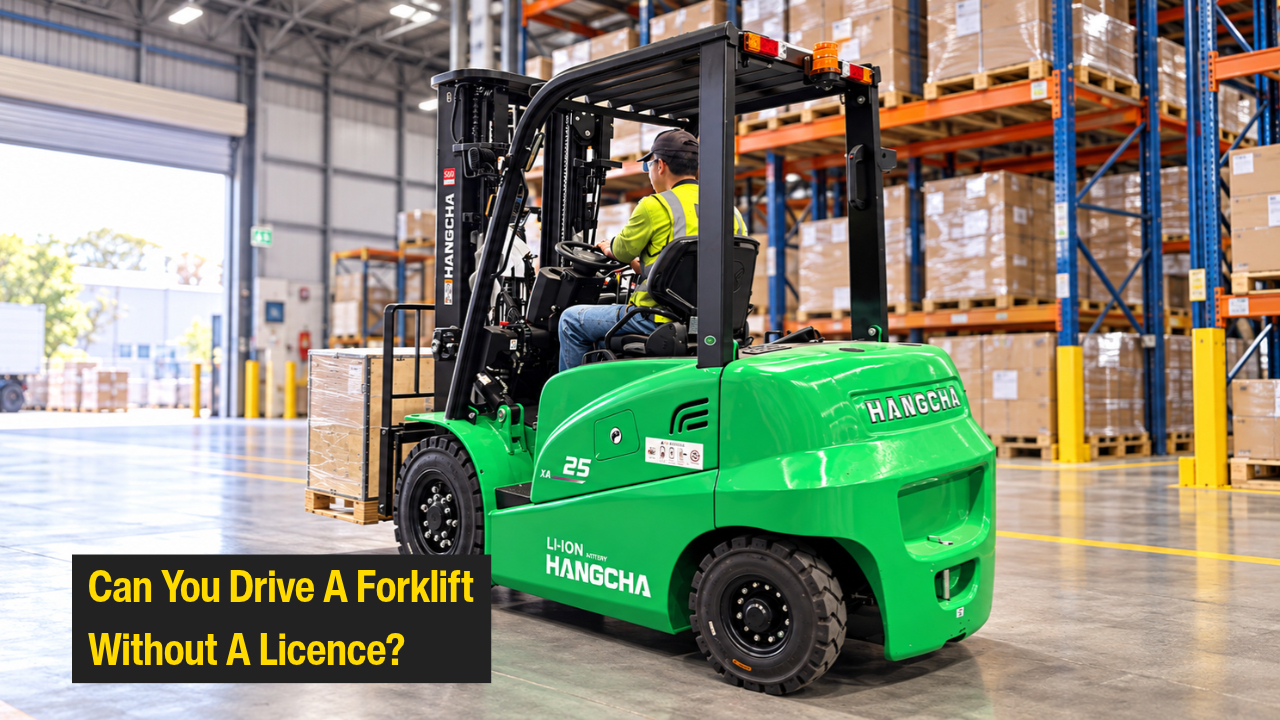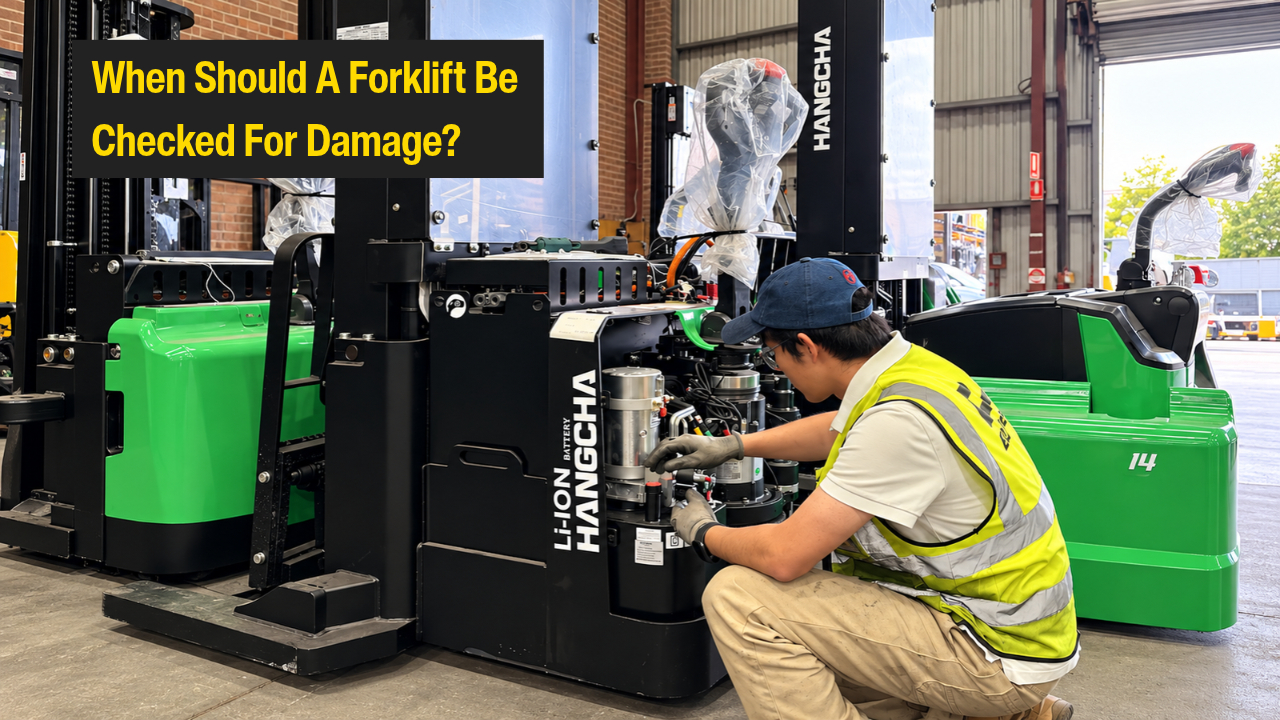
A forklift licence costs about $480 to $615 for a beginner in NSW, Queensland or WA, as at November 2026. That covers a two-day LF course with a registered training organisation (RTO), typically $390 to $500, plus the state regulator's licence fee of $92 to $113.41. An experienced operator who only needs a one-day course pays less, from about $200 for the course. The licence lasts five years, and renewing it costs $44 to $102.99 depending on the state.
How much does a forklift licence cost in NSW, Queensland and WA?
The licence fee itself is under $115 in all three states, and the course is where most of the money goes. The regulator only checks your application and issues the card. Training and the assessment happen at the RTO, which pays for a trainer, a forklift and yard time for every student.
These are the high risk work licence fees each regulator charges from July 2026:
| Fee | NSW (SafeWork NSW) | Queensland (WorkSafe Queensland) | WA (WorkSafe WA) |
|---|---|---|---|
| New licence, first class (LF) | $95 | $113.41 | $92 |
| Each extra class (such as LO) | $95 | $113.41 | $46 |
| Renewal, every 5 years | $88 | $102.99 | $44 |
| Replacement card | $43 ($36 online) | $44.92 | $29 |
NSW and Queensland charge the full fee again for every class you add, so LF and LO together cost $190 in NSW and $226.82 in Queensland. WA charges $46 for the second class, which makes it the cheapest of the three states to hold both. Fees rise each July in line with indexation, and SafeWork NSW publishes its current amounts for 2026-27.
How much does a forklift licence course cost?
A forklift licence course costs about $390 to $500 for a beginner and about $200 to $400 for an experienced operator, based on RTO prices in Sydney, Brisbane and Perth in November 2026. The gap is seat time. A beginner needs two or three days on the truck before the assessment, while an experienced operator spends one day on revision and assessment.
| Forklift licence course | Length | Typical course fee | With the state licence fee |
|---|---|---|---|
| Beginner LF course | 2-3 days | $390-$500 | About $480-$615 |
| Experienced operator LF course | 1 day | $200-$400 | About $290-$515 |
The table shows why the quoted price is only part of the bill. A course advertised at $335 in Perth becomes $427 once the $92 WorkSafe WA fee is added, and some RTOs quote it that way. Others fold the regulator's fee or a re-assessment into one price, so ask what the quote includes before you compare.
Every course works to the same national unit, TLILIC0003 Licence to operate a forklift truck. Order picker training uses a separate unit, TLILIC0004, and some RTOs run both in one combined course. You finish with a practical and written assessment by an accredited assessor, then apply to the regulator for the card. Neither unit applies to a walk-behind stacker, because there is no forklift licence for a walkie stacker you walk behind.
If your business pays for the course, add the wages for the days your staff are away. For a beginner on a two-day course, those wages can cost as much as the course itself.
Which machines need a forklift licence, and which don't?
A forklift licence is needed for any ride-on forklift truck whose forks can be raised 900 mm or more, and the class depends on whether the operator rises with the load. Counterbalance forklifts, reach trucks and stand-on stackers take the LF class. Order pickers, where the operator's controls rise with the load, take the LO class.
| Machine | Licence | Licence cost per new operator |
|---|---|---|
| Counterbalance forklift, reach truck, ride-on or stand-on stacker | LF | Course plus $92-$113.41 |
| Order picker with the operator on a rising platform | LO | Course plus $92-$113.41, or $46 in WA as a second class |
| Walk-behind stacker, electric pallet jack | No high risk work licence; training required | Training only |
| Telehandler with forks or a bucket | No high risk work licence in NSW, QLD or WA; training required | Training only |
The licence follows how the operator works the machine, not its capacity. Walk-behind stackers count as pedestrian-operated trucks, so they fall outside the forklift licence class, while a stacker you ride on is a forklift truck once its forks lift past 900 mm.
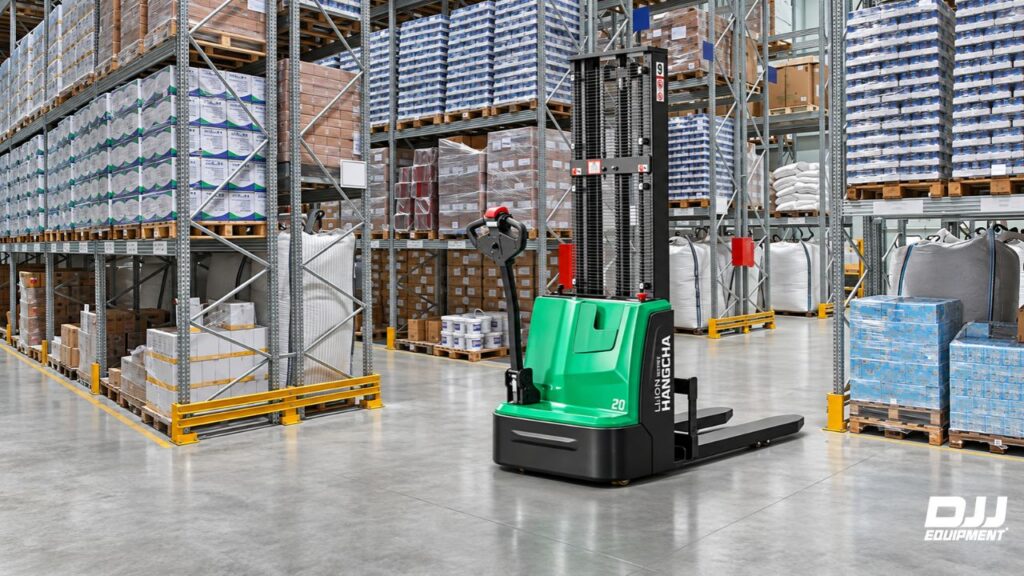
For a business with casual staff on short pallet runs, that difference shows up in the training budget. A walk-behind stacker removes the RTO course and the regulator's fee from each new starter, although every operator still needs training before they use one.
Two Hangcha machines in the DJJ Equipment range show the difference. The X Series pallet stacker comes as a pedestrian XT1 that travels at 6 km/h in a 2,200 mm aisle, and as a stand-on XT1S that carries the operator at 8-9 km/h laden.
Both versions stack up to 6 m. Only the stand-on XT1S needs an LF licence, because the operator rides the truck.
At the other end, the A Series stock picker lifts its platform floor to 4,000 mm with the operator and the controls on board, so its operators need the LO class. If your team picks cartons by hand from racking, budget for LO as well as LF, because an LF licence does not cover order pickers.
How long does a forklift licence last, and what does renewal cost?
A forklift licence lasts five years, and renewal costs $88 in NSW, $102.99 in Queensland and $44 in WA. You renew through the regulator, not the RTO, so a licence renewed on time costs only the fee.
Renew before the expiry date. A forklift licence that lapses stops you operating until it is renewed, and the rules for a late renewal differ by state, so contact the regulator before you get back on the truck.
A licence issued in one state is generally recognised in the others. If you move from Brisbane to Perth, check with WorkSafe WA before you start, because the regulator where the work happens has the final say. You must be 18 or older to hold a licence.
Can you drive a forklift while your licence is being processed?
Yes, for up to 60 days after you receive your statement of attainment, provided you have applied for the licence in that time.
During the course you may also operate a forklift under the supervision of a licence holder, as part of that training. Outside those two cases, a business must not direct or allow a worker to drive a forklift without the licence or evidence of it.
What does an unlicensed forklift operator cost a hire customer?
An unlicensed operator takes a hire customer outside the Equipment Waiver, so damage that operator causes is not covered by it. DJJ supplies forklift hire as dry hire, so no operator comes with the machine and the hirer provides licensed, trained operators and public liability insurance.
The optional Equipment Waiver costs 10% of the weekly hire cost and is not insurance. DJJ doesn't run licence courses, so book the course with an RTO before the forklift arrives.
The cheapest forklift licence is often the one your site doesn't need: walk-behind stackers for short pallet runs, LF only for staff who drive ride-on trucks and LO only for those who pick at height. Call 1800 355 388 with your load weight, lift height and aisle width, and we'll match the machine to the licences your team already holds.