An electric forklift suits indoor warehouses and sites that run many hours a day. An LPG forklift suits work that moves between inside and outside, and a diesel forklift suits heavy outdoor yards far from power. Electric forklifts cost the least to run per hour, but cost more to buy. That gap is why forklift electrification in Australia is moving fastest on sites that work long shifts indoors.
Electric vs LPG vs diesel forklifts at a glance
Electric, LPG and diesel forklifts lift the same loads, but they differ in running cost, where they can work and what they need on site. The table compares typical 2.5 t counterbalance forklifts.
| Electric (lithium) | LPG | Diesel | |
|---|---|---|---|
| Energy cost per hour (estimate, ex GST, Oct 2026) | About $1.40-$2.50 | Depends on your gas price (see below) | About $5.10-$6.10 after fuel tax credits |
| Exhaust indoors | None | Carbon monoxide | Carbon monoxide and diesel particulates |
| Refuelling | Charge in breaks or overnight | Swap an 18 kg cylinder in minutes | Fill from a tank or drum |
| Routine servicing | No engine oil, filters, coolant or exhaust | Engine servicing | Engine servicing |
| Best fit | Warehouses, cold stores, food sites, long shifts | Mixed indoor and outdoor work | Heavy outdoor yards, remote sites |
Purchase price runs the other way: a lithium forklift usually costs more up front than a comparable LPG or diesel truck. For current figures, see how much a new electric forklift costs.
Running cost per hour: electric vs LPG vs diesel
Energy is where electric forklifts pull ahead. A 2.5 t electric forklift uses roughly 4-6 kWh per hour of steady work. At 35-41 c/kWh, the October 2026 regulated default prices for Brisbane and Sydney including supply charges, that is about $1.40-$2.50 an hour ex GST.
A diesel forklift of the same size burns roughly 2.5-3 L an hour. With diesel at 283 c/L retail in the week to 11 October 2026, less GST and the 53.7 c/L fuel tax credit for off-road use, the net cost is about 204 c/L, or $5.10-$6.10 an hour.
An 18 kg LPG cylinder typically lasts 6-8 hours, so a forklift uses about 2.3-3 kg of gas an hour. Multiply that by your supplier's price per kg, less the 17.5 c/L fuel tax credit for LPG, to compare it with the figures above. These are estimates: actual use depends on the load, the hours and the operator, so ask for the model's energy figures before you decide.
What the difference adds up to over a year
The gap in energy cost grows with the hours a forklift works. At 1,500 hours a year, about one shift on weekdays, the estimates above put an electric forklift at roughly $2,100-$3,750 in electricity and a diesel forklift at roughly $7,650-$9,150 in fuel, ex GST. Double the hours and the gap doubles too.
Servicing widens the gap. An electric forklift has no engine oil, oil and fuel filters, spark plugs, coolant or exhaust system to service, although brakes, tyres, the mast, chains and hydraulics need regular attention on every fuel type. That is why the higher purchase price of an electric forklift pays back fastest on sites that run long hours, and slowest where a forklift works only a few hours a week.
Exhaust indoors and carbon monoxide limits
Carbon monoxide is the main reason LPG and diesel forklifts are being pushed out of enclosed buildings. Both give off carbon monoxide, and the workplace exposure standard for it is 30 ppm averaged over an 8-hour shift. From 1 December 2026 the limit drops to 20 ppm, and a new limit for diesel particulate matter of 0.01 mg/m³ comes in at the same time.
In 2023, two workers in a Northern Territory cool room suffered carbon monoxide poisoning while an LPG forklift was running inside. The NT WorkSafe safety alert advises using electric forklifts in enclosed or poorly ventilated areas. Electric forklifts are also quieter, which helps where people work close by.
Batteries and charging for electric forklifts
Battery type changes how an electric forklift fits your shifts. A lead-acid battery usually runs one shift, then needs a full charge of about 8 hours plus cooling time, so multi-shift sites keep spare batteries. Flooded lead-acid batteries also need topping up with water and give off hydrogen while charging, so the charging area needs good ventilation and no ignition sources.
A lithium battery can be topped up in breaks, needs no watering and doesn't vent gas. Hangcha's lithium forklifts use lithium iron phosphate (LiFePO4) cells, and its high-voltage XH series charges in about an hour with the fast charger. Treat any lithium battery with care: use the charger made for it, don't leave it charging unattended for long periods and never use a damaged or swollen battery.
Check your power supply before you buy. Larger fast chargers can need three-phase power, so ask an electrician what your site can run.
LPG cylinder handling and storage
LPG forklifts bring their own site rules. LPG storage and handling is covered by AS/NZS 1596:2026, so sites need a proper cylinder cage or storage area, signage and clearances. Only trained people should change or refill cylinders, in open or well-ventilated areas away from ignition sources, and each cylinder needs a test date within the last 10 years.
Where diesel and LPG forklifts still fit
Diesel and LPG still make sense for some work. A diesel forklift suits continuous heavy work outdoors, far from power, or where the operation can't stop to charge. LPG suits sites where the forklift moves in and out of buildings during the day and the hours are modest.
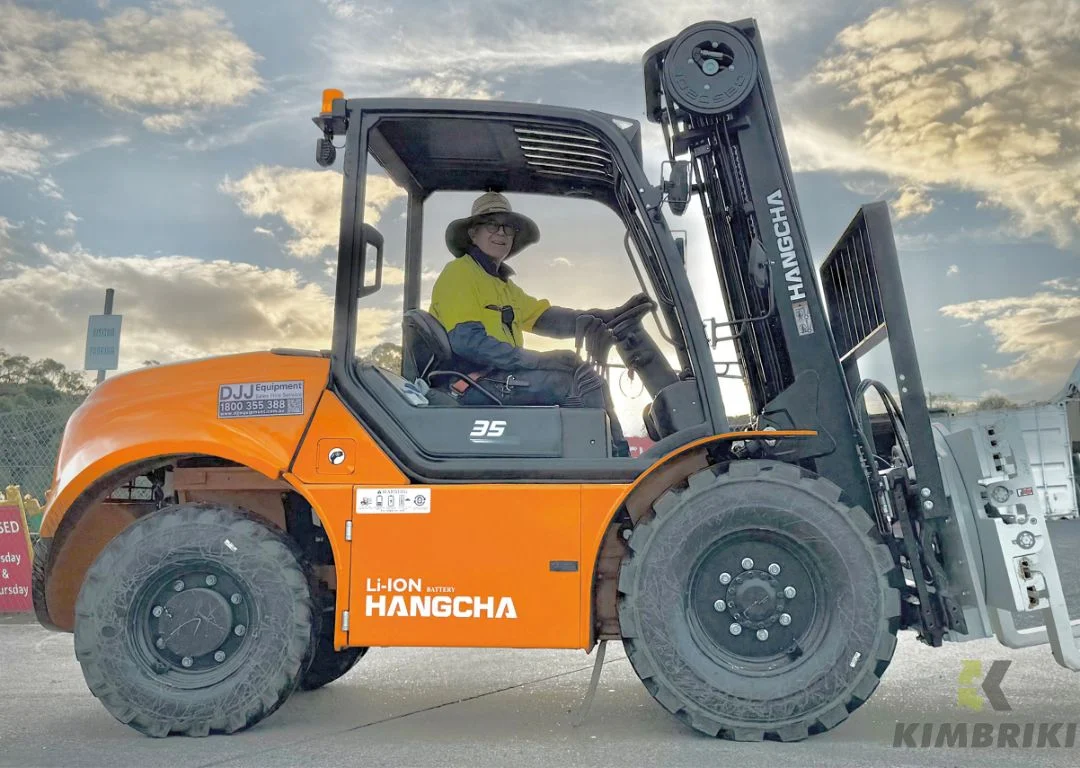
Size and rough ground no longer force a fuel choice on their own. Hangcha's high-voltage lithium range runs from 2 t up to 48 t, and lithium rough terrain models work on unsealed ground. Kimbriki Environmental Enterprises, a resource recovery site in Sydney, runs a high-voltage lithium rough terrain forklift through dust and gravel.
Why forklift fleets are electrifying
Forklift electrification is also driven by reporting. Mandatory climate reporting under AASB S2 is phasing in for large businesses from 2025 to 2027. Diesel and LPG burned in your own forklifts count as scope 1 emissions, while the electricity used to charge them is scope 2.
Using the 2026 National Greenhouse Accounts factors, a litre of diesel produces about 2.71 kg of CO2-e and a litre of LPG about 1.56 kg. For the wider trend and market outlook, see the rise of electric forklifts in Australia.
The same forklift licence for every fuel type
The forklift licence doesn't change with the fuel. A high risk work licence class LF covers electric, LPG and diesel counterbalance forklifts alike, while order pickers where the operator rises with the load need class LO.
Choosing between electric, LPG and diesel
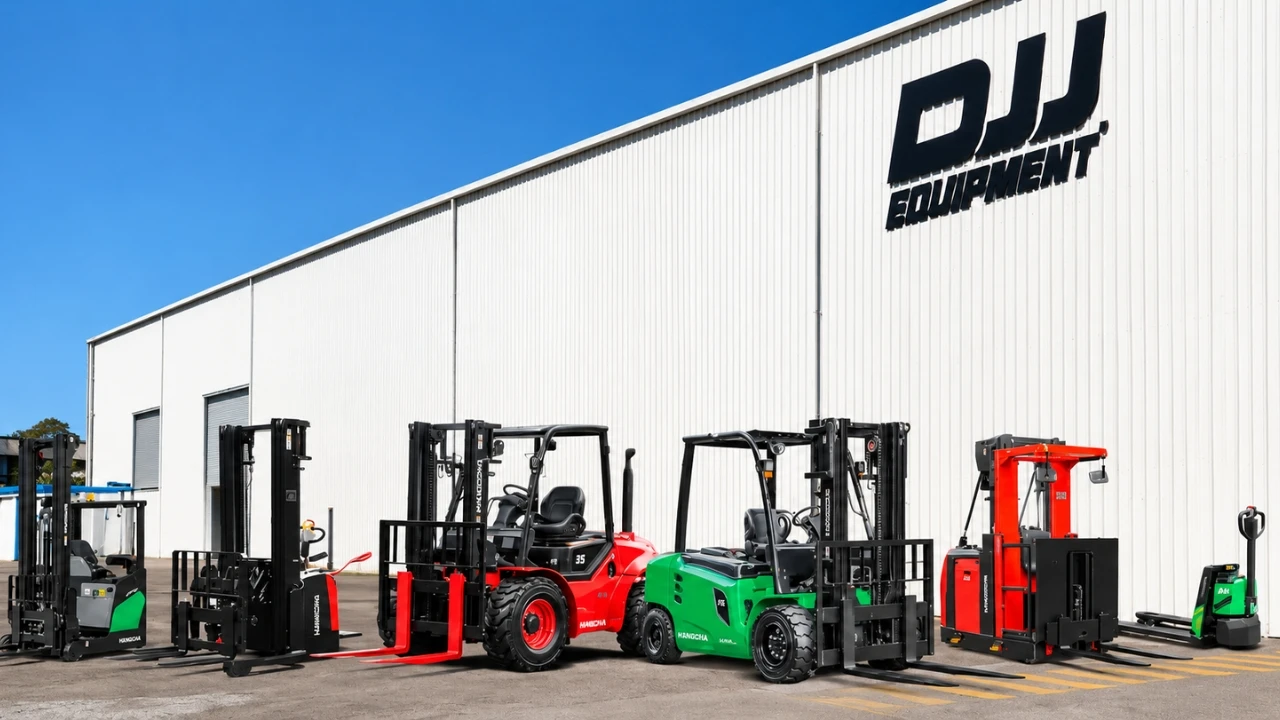
Choose electric for indoor work, cold stores, food sites and long hours. Choose LPG for mixed indoor and outdoor work with modest hours, and diesel for heavy outdoor work away from power. DJJ Equipment sells Hangcha electric, LPG and diesel forklifts from Silverwater, Meadowbrook and Bayswater, with hire and rent to own as well. Most Hangcha electric counterbalance models carry a 24 month or 2,000 hour warranty, and spare parts are held at each branch.
Call 1800 355 388 with your hours, floor and loads, or compare the range of electric forklifts.