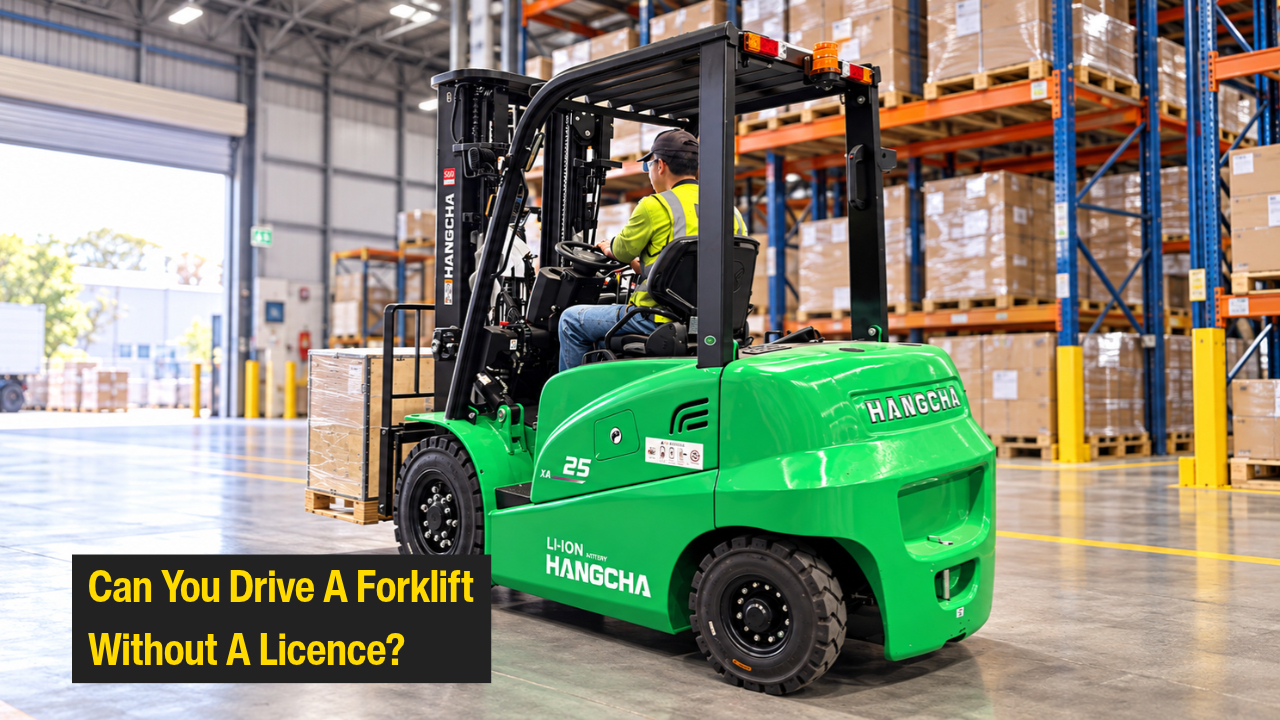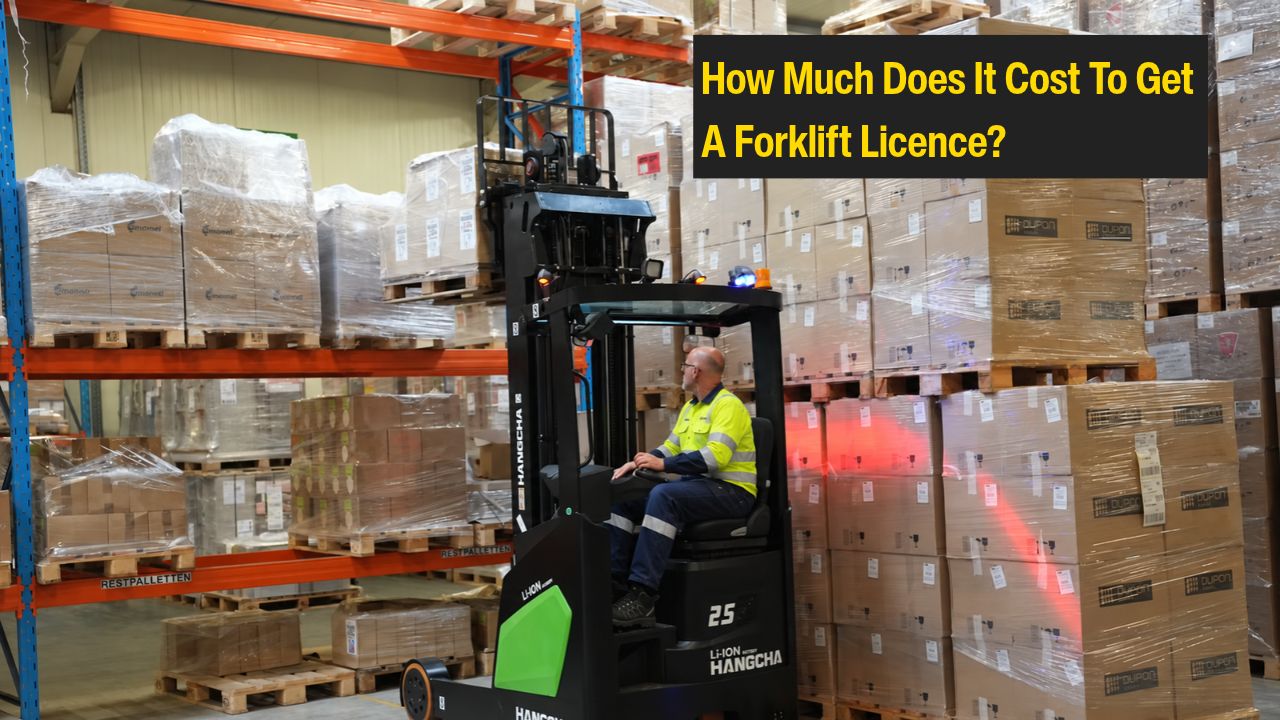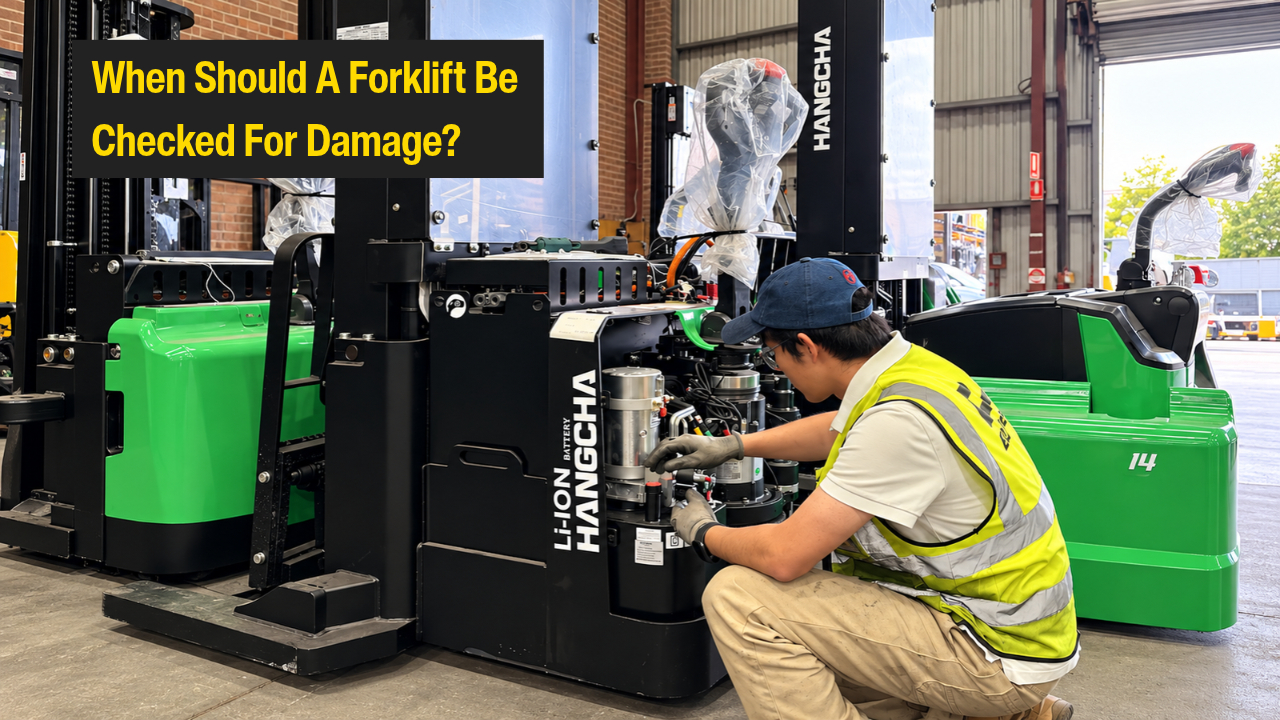
Yes, you can leave an electric forklift charging overnight, and on most single-shift sites that's the normal routine. Lead-acid batteries take about 8-10 hours to fill, so the hours after the last shift are the only time a full charge fits. A charger matched to the battery ends the charge on its own: on Hangcha's XH Series lithium forklifts, the charger stops when the battery is full and its output drops to zero. What makes it safe overnight is the setup around it: the right charger, a ventilated charging area and, on lead-acid, the battery cover held open.
Does a forklift charger switch off when the battery is full?
A forklift charger that matches the battery ends the charge itself, so leaving it plugged in overnight doesn't keep forcing current in. On a lithium forklift, the battery management system (BMS) decides. It tracks the cells while they charge, and when the battery is full it sends a stop command to the charger. The same system cuts the charge if either the battery or the charger raises a fault alarm.
A lead-acid charger works from the battery's own readings instead. The charge is finished once the battery voltage and the density of the electrolyte have held steady for 2 hours. The charger has to suit the size of the battery. A mismatched one can overload the cables and plugs, gas the battery too hard and push electrolyte out of the cells.
That's why the charger matters more than the hours on the clock. Hangcha says to use only the charger the manufacturer designates for its lithium trucks, and a lead-acid battery maker will ask for a charger bought separately to be checked for suitability first.
Is overnight charging good for a lead-acid forklift battery?
Overnight charging suits a lead-acid forklift battery, because the worst thing for it is to sit flat. A discharged lead-acid battery should go on charge straight away and shouldn't be left discharged, even partly. Leaving a truck at 30% overnight and charging it in the morning does more harm than charging it as soon as the shift ends.
Overnight is also where the hours are. One 8-hour shift leaves 16 hours off, which covers a lead-acid charge with room to cool, while a second shift leaves only 8. The forklift battery charging time across the Hangcha range DJJ Equipment sells runs from about 1 hour on the XH Series lithium trucks to 8-10 hours for lead-acid.
The battery also needs to be cool enough to start. Charging warms the electrolyte by about 10°C, so it should only begin below 45°C, and 55°C is the upper limit for the battery. A truck coming off a hard shift in summer can be too hot to charge straight away, and an 8-10 hour overnight window leaves room for that.
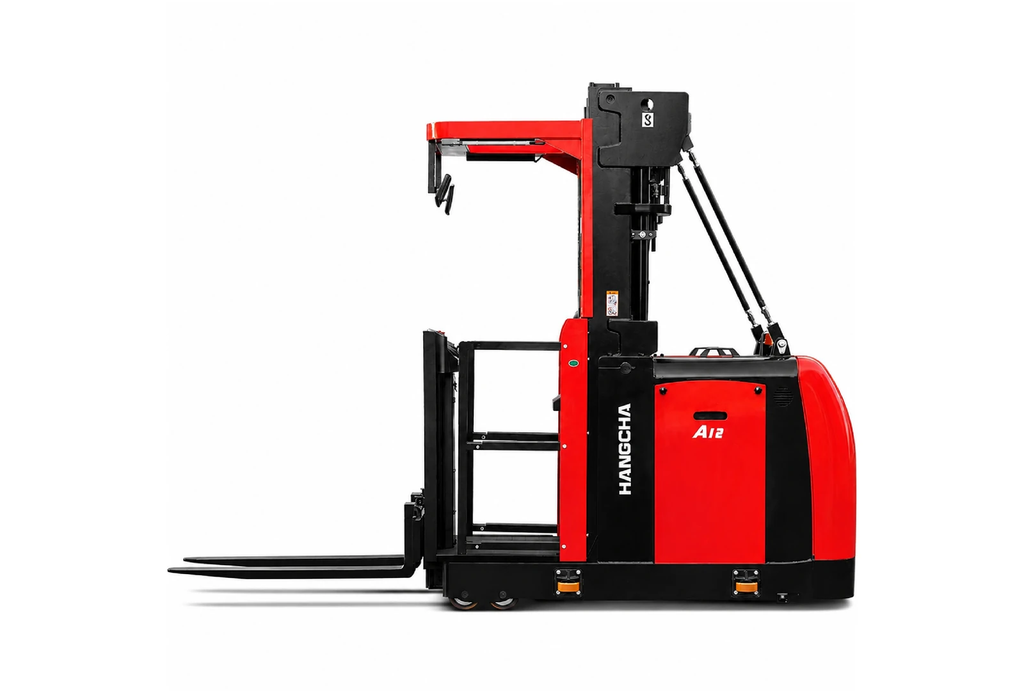
Lead-acid lasts longest when it isn't run down past 80% of its rated capacity, then gets one full charge. On Hangcha's A Series order picker 1.2 t, the H and HK versions run a 48V/620Ah lead-acid battery that takes 8-10 hours to charge, against 2 hours for the lithium battery in the HI and HKI versions.
What makes overnight charging risky for a lead-acid forklift?
Overnight charging of a lead-acid forklift gives off hydrogen, and hydrogen is explosive. Most of it comes in the final stage of the charge, when the battery is nearly full and the current starts splitting water in the electrolyte into gas. The risk is that gas building up where it can't escape, then meeting a spark.
Under Safe Work Australia's general guide for industrial lift trucks, only trained people should charge or change batteries. The vent caps stay in place so electrolyte doesn't spray, and the cover over the battery is held open during charging so the gas can escape. The charging area needs ventilation to stop an explosive mixture forming, plus fire extinguishers, eye washing facilities and a spill kit. People in the area shouldn't smoke, use open flames or mobile phones, or bring metal objects that could strike a spark near the cells.
A closed battery compartment is the trap. If the truck's compartment can't be opened up, the battery maker's rule is to take the battery out of it for the charge. A battery left shut inside a closed compartment overnight has nowhere to vent.
The same applies to an equalising charge, the extra stage some sites run on a weekend to balance the cells. It runs after a normal charge, with the current limited to 5 amps per 100Ah of battery capacity, and it needs the same ventilation and a check on battery temperature.
How does overnight charging differ between lead-acid and lithium forklifts?
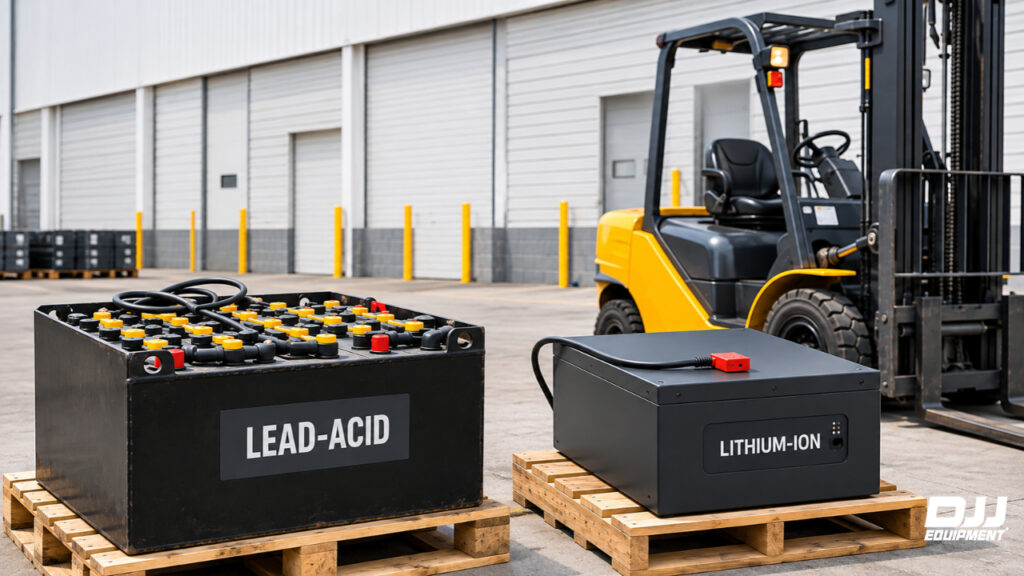
Lead-acid and lithium forklifts can both be charged overnight, but they need different things from the site. This table sets them side by side, using a Hangcha lead-acid order picker and the Hangcha XH Series 2-3.8 t lithium forklift:
| Overnight charging | Lead-acid forklift | Lithium forklift |
|---|---|---|
| Full charge | About 8-10 hours (A Series order picker, 48V/620Ah) | About 1 hour (XH Series 2-3.8 t) |
| What ends the charge | The charger, once voltage and electrolyte density hold steady for 2 hours | The BMS sends a stop command to the charger |
| Gas while charging | Hydrogen, mostly near the end of the charge | None in normal charging |
| Battery cover | Held open, vent caps in place | Charging covers closed again after charging |
| Temperature to start charging | Electrolyte below 45°C | 0-45°C |
| Routine | Charge after every discharge, top up water at the end of the charge | Full charge at least once a week |
The table shows that overnight is a necessity for lead-acid and a convenience for lithium. A lead-acid truck needs most of the night to charge and its gas has to be managed. A lithium truck that charges in about an hour can go on charge at any break, so leaving it overnight is a choice about routine, not a requirement.
Can you leave a lithium forklift on charge overnight?
A lithium forklift can stay on charge overnight, because its charger stops once the battery is full. On the XH Series 2-3.8 t, which charges fully in about an hour, the charger screen shows zero output voltage and current when it has finished. The truck simply sits connected for the rest of the night.
The conditions still matter. Hangcha's charging rules for the XH Series are:
- charge between 0°C and 45°C, in a dry, well-ventilated place;
- keep flammable and explosive materials away from the charging place;
- leave at least 30 cm clear around the charger and keep its vents free of dust;
- to stop a charge early, press pause on the charger and wait for the current to reach 0A before you take the plug out.
Cold slows a lithium charge down, and the BMS adjusts the charging time to suit. A truck parked overnight in a cold store or on a cold slab may take longer than usual, and below 0°C it's outside Hangcha's charging range for the XH Series. If the charger stops with a fault in the morning, the stop is the protection doing its job, not a reason to try another charger.
What should you check before leaving a forklift on charge overnight?
Check the truck, the plug and the space around the charger before you walk away. Most overnight charging problems start with one of those three, and each takes less than a minute to look at:
- The forklift is parked safely. Level ground, load off, forks fully lowered, park brake on, controls in neutral and the key off.
- The plug and cable are sound. No cracks or damage on the cable, and no damage, rust or water on the plug pins. The dust cap on a lithium charging plug should be complete.
- The charger can breathe. Nothing stacked against it or over its vents, and no pallets of flammable stock parked next to it.
- Lead-acid only. Battery cover open, vent caps in place, and the charging area's ventilation running.
Leave the water for the morning. A lead-acid battery is topped up at the end of the charge, not before it, because the electrolyte rises as it warms and gasses. Topping up first can push acid out of the cells overnight. Use the right water too, since tap water in a forklift battery adds minerals the cells can't get rid of.
Can you leave a forklift charging over the weekend?
A forklift can stay on its charger over a weekend if the charger is built to hold the battery once it's full. For lead-acid, keeping a battery connected to a float charge is one of the two storage methods a battery maker gives, at 2.27 volts per cell; the other is a monthly equalising charge. Either way, the battery is stored fully charged in a dry, frost-free room.
A lithium forklift doesn't need that. The BMS ends each charge by itself, and Hangcha asks for a full charge once a week while the XH Series is in use, and every three months when it's laid up. A truck parked for months also needs its tyres and hydraulics looked after, and forklift long term storage starts with a battery at the right charge in a cool place: 0-25°C for long-term storage on the XH Series.
Who charges a hire forklift overnight?
On a DJJ hire, the hirer does the charging. The daily checks, including the batteries, and recharging sit with the hirer, following our instructions for that machine. Ask us at handover where the truck should charge on your site, and which charger it uses.
If you're buying, decide where the forklift will charge before it arrives. A charging point that's hard to reach, or a charging area without ventilation for lead-acid, costs time every night. We match the battery and charger to your shifts when you choose from our battery-electric forklifts. Call 1300 646 747 or send us your shift pattern and where you plan to charge.