Yes, you can use a diesel forklift indoors in Australia, because no law bans it outright. What the law controls is the exhaust: the business running the site must keep workers' exposure to diesel exhaust as low as reasonably practicable and below the national workplace exposure limits, which get much stricter from 1 December 2026. In practice, diesel forklifts suit short, occasional work inside a large, well-ventilated building. For forklifts that work inside all shift, or in cool rooms and containers, regulators point to electric.
What's in diesel forklift exhaust?
Diesel exhaust is a mix of gases and fine particles. The ones that matter most indoors are carbon monoxide, nitrogen dioxide and diesel particulate matter, the soot that gives diesel smoke its colour. Safe Work Australia notes that more than 90% of diesel particles are smaller than 1 micrometre, small enough to reach deep into the lungs.
Diesel engines produce less carbon monoxide than LPG or petrol engines, and Safe Work Australia's lift truck guidance says so. Diesel's problem indoors is the particulate matter and the nitrogen dioxide. Short-term exposure can irritate the eyes, nose, throat and lungs and cause light-headedness and nausea. Over the long term, Safe Work Australia says diesel exhaust can cause lung cancer and increases the risk of bladder cancer, and about 130 Australians a year are diagnosed with lung cancer caused by diesel exhaust at work. WorkSafe Victoria notes that the International Agency for Research on Cancer classifies diesel exhaust as carcinogenic to humans.
Inside a building the exhaust has nowhere to go. Levels build up fastest in enclosed, poorly ventilated spaces, around loading docks where trucks also idle, and in cold rooms, where the doors stay shut. The fuel side of the decision, from running costs to servicing, is in the DJJ Equipment comparison of electric, LPG and diesel forklift running costs.
What Australian law requires
There's no blanket ban on diesel forklifts indoors. The law asks whether exposure to the exhaust is controlled, not what fuel the truck uses. Under work health and safety law, the business must eliminate the risk from diesel exhaust where reasonably practicable, or minimise it, and must not let anyone be exposed above the national limits.
Those limits change on 1 December 2026, when Safe Work Australia's workplace exposure limits replace the current exposure standards:
- Diesel particulate matter: a first-ever limit of 0.01 mg/m³ averaged over 8 hours, measured as respirable elemental carbon
- Carbon monoxide: down from 30 ppm to 20 ppm averaged over 8 hours
- Nitrogen dioxide: unchanged at 3 ppm averaged over 8 hours and 5 ppm over 15 minutes
Until 30 November 2026 the current standards apply. WorkSafe WA has confirmed the new limits apply in Western Australia, and in Victoria, check with WorkSafe Victoria how they're adopted. Where it isn't clear whether exposure stays under the limits, the site needs air monitoring, usually arranged through an occupational hygienist. Monitoring checks the controls; it doesn't replace them.
Where a diesel forklift can and can't work
The building matters more than the forklift. This table is a general guide, not a substitute for a risk assessment of your site:
| Where it works | Diesel | LPG | Electric |
|---|---|---|---|
| Outdoor yard | Usually suitable | Usually suitable | Suitable where the model and tyres suit the ground |
| Large shed or dock with doors open, short visits inside | Possible after a risk assessment | Possible after a risk assessment | Suitable |
| Enclosed warehouse, all shift | Avoid unless monitoring shows exposure stays under the limits | Needs ventilation, assessment and CO monitoring | Best choice |
| Cool room, freezer or shipping container | Avoid where possible | Avoid where possible | Best choice |
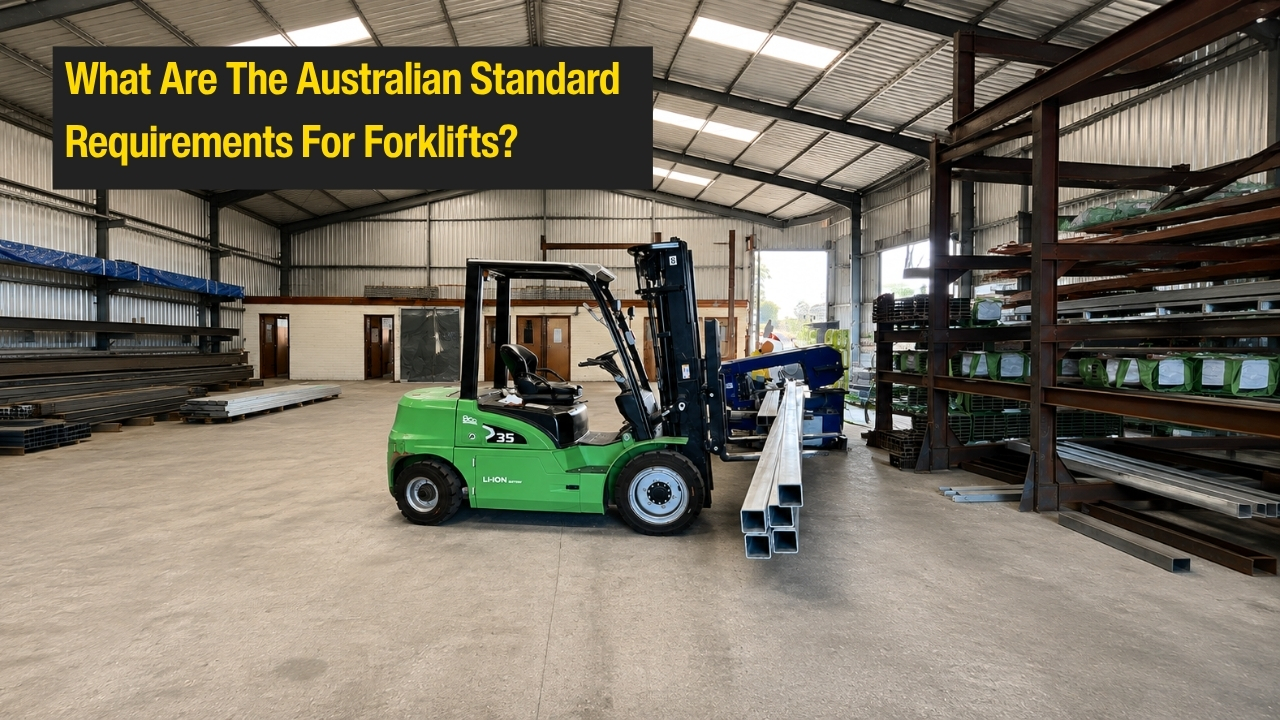
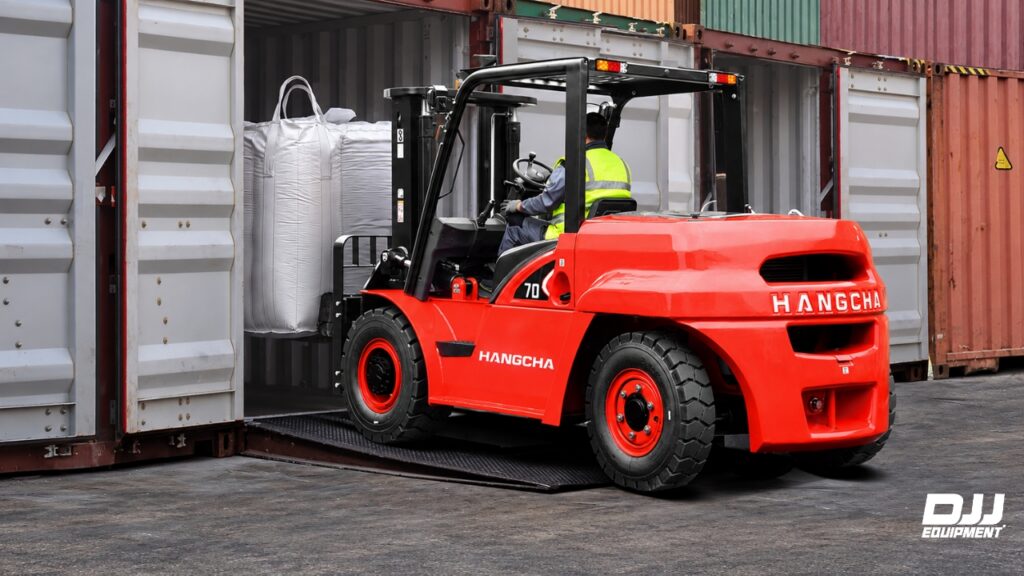
For cool rooms and containers, Safe Work Australia's lift truck guidance says battery forklifts should be used. Where a combustion truck can't be avoided in a space like that, it says diesel is preferable to LPG because diesel produces less carbon monoxide, but the diesel particulate then has to be controlled. Inside a shipping container, the door height and the mast's free lift also decide which forklift can work in a container, whatever the fuel.
How to control diesel exhaust if you use one inside
Safe Work Australia's diesel guidance sets out the controls in order, from most to least effective:
- Use another power source: an electric forklift removes the exhaust altogether
- Use a cleaner engine and fuel: a newer, lower-emission engine, ultra-low sulphur diesel, and exhaust after-treatment where it's fitted
- Ventilate: ventilation designed by a competent person, linked to the diesel plant running and not able to be switched off by workers
- Cut running time: switch engines off instead of idling, avoid over-revving, and limit how many diesel machines run inside at once
- Keep people away: separate walkways and work areas from where the forklift runs
- Maintain and test: a maintenance schedule for every diesel engine and its emission control equipment, with regular emissions tests and exhaust leak checks
Masks come last. Safe Work Australia notes that a P2 mask filters particles but not gases, so it can't be the main control. Smoke colour is a useful warning in between services: blue smoke points to a worn or badly tuned engine burning oil, black smoke to a fault or an engine working at its limit, and white smoke at a cold start that should clear as the engine warms.
A well-maintained engine is part of the control. Regular forklift servicing keeps the engine and exhaust system in good order, and DJJ services all brands, with on-site service within 50 km of its Sydney, Brisbane and Perth branches.
Does a Stage V engine make diesel safe indoors?
A newer engine helps, but it doesn't settle the question. EU Stage V is a European emission standard for off-road engines, and it cuts particulate emissions sharply compared with older engines. It isn't an Australian approval for indoor use, and a Stage V engine still produces carbon monoxide and nitrogen dioxide, so the site still needs a risk assessment.
Engine choice sets the emission class, so check it for each model. Hangcha, a brand DJJ is a dealer for, offers an EU Stage V diesel on several of its series: the Hangcha XF2 Series 1.5-3.5 t, for example, uses a Xinchai 3E22 diesel certified to EU Stage V, and some of the larger X Series trucks offer a Stage V engine alongside an older Stage IIIA option. Ask which engine, and which exhaust after-treatment, the truck you're quoted actually has.
Can you use an LPG forklift indoors?
LPG is often treated as the indoor fuel, but it isn't automatically safe. An LPG forklift produces far fewer particles than diesel, but it gives off more carbon monoxide, and carbon monoxide has no smell. In a closed cool room or a building with poor airflow, it can build up to dangerous levels.
LPG suits work that moves between inside and outside, with good ventilation and carbon monoxide monitoring. In 2023, two workers in a Northern Territory cool room were poisoned by carbon monoxide while an LPG forklift was running inside, and NT WorkSafe now advises against fuel-powered forklifts in enclosed or poorly ventilated areas.
Electric forklifts for indoor work
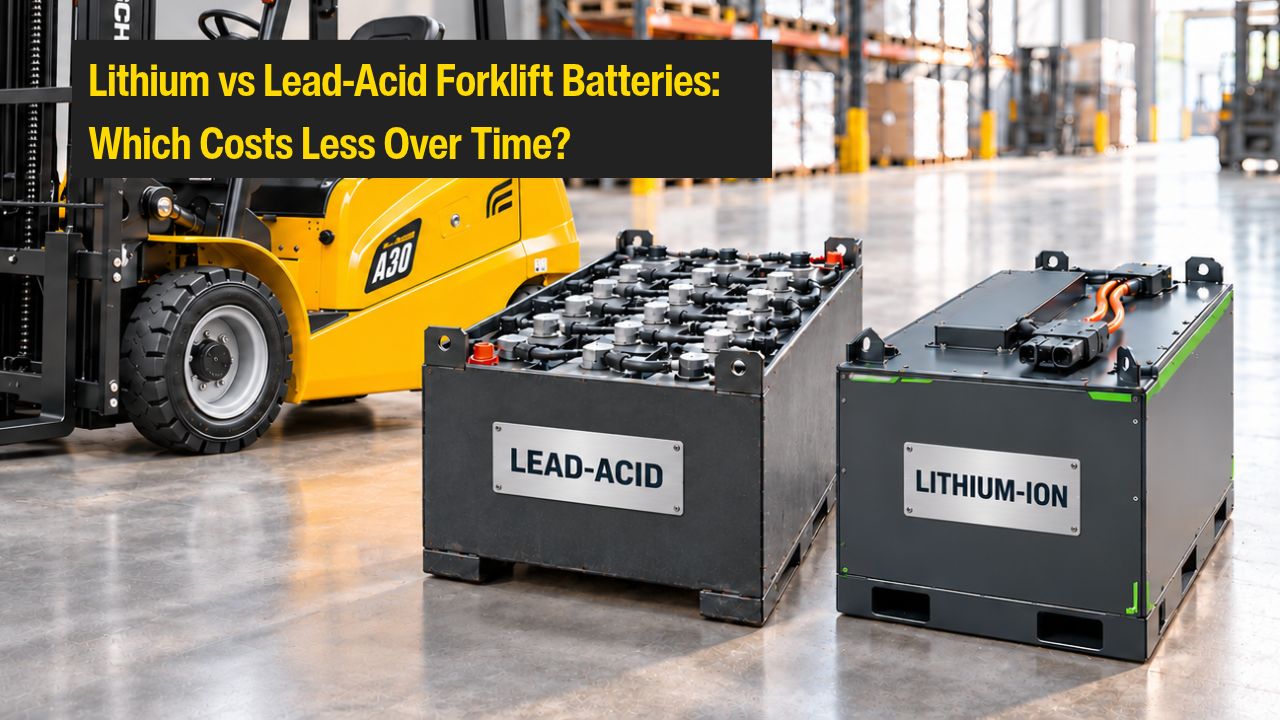
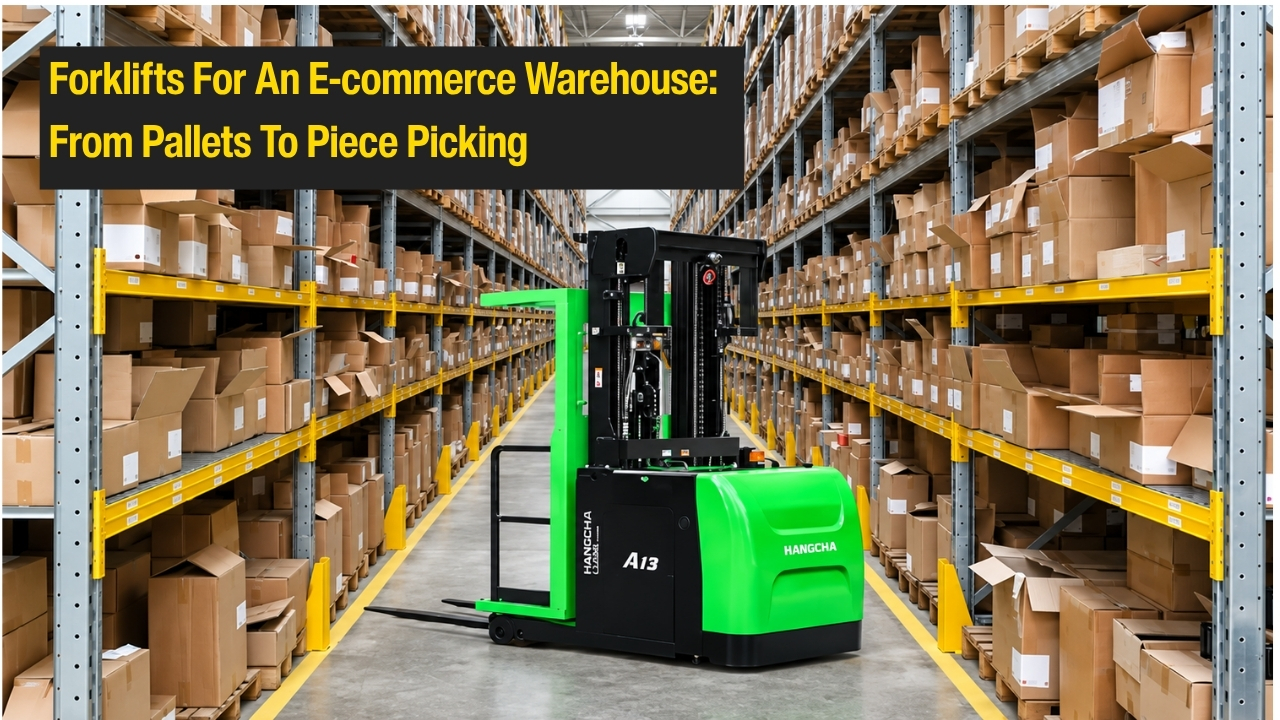
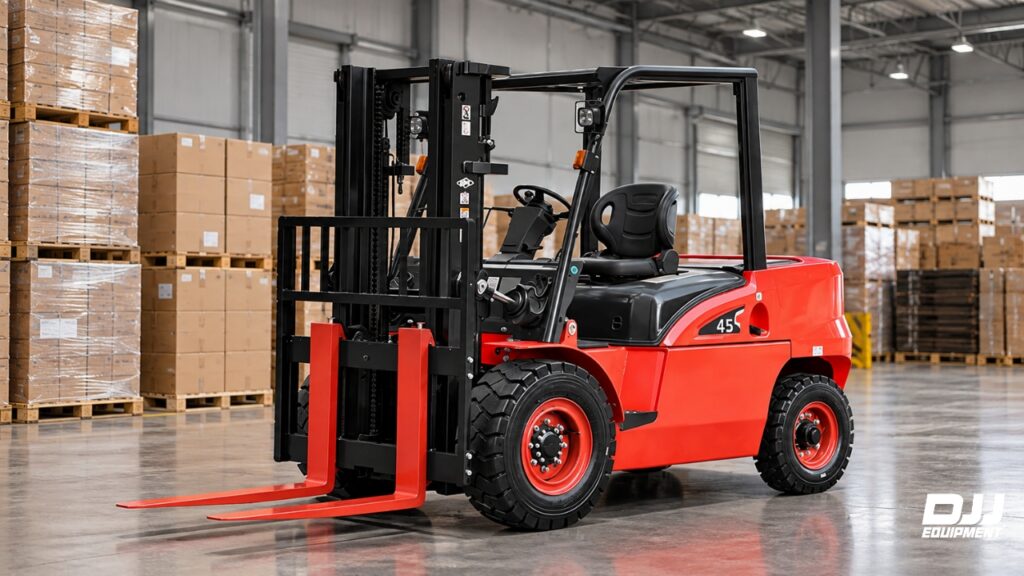
An electric forklift produces no exhaust, which is why regulators point to it for enclosed and poorly ventilated areas. Capacity is no longer a reason to stay with diesel inside: the Hangcha electric forklifts we sell run from 0.6 to 48 tonnes, including high-voltage lithium trucks for heavy loads.
Many sites run both. A diesel forklift works the yard, the outdoor storage and the truck loading, and an electric forklift works inside the building. If you're not sure which you need, tell our team where the forklift will spend its hours, and we'll suggest options to buy or hire, including a diesel forklift for the outdoor work.
Not sure whether your forklift work suits diesel, LPG or electric? Tell our team how much of the work happens inside, how big and how open the building is, and what you lift, and we'll suggest options to buy or hire. Call 1800 355 388.